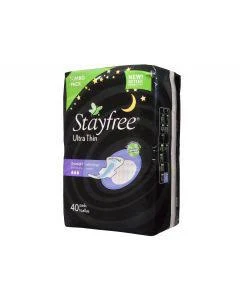
Stayfree Ultra Thin Overnight Pads with Wings
Unspecified waterproof backing raises concern; no PFAS disclosure from brand.
Waterproof backing layer is unspecified and typically requires either PFAS-based water-repellent coating or undisclosed alternatives. Stayfree doesn't disclose PFAS status.
The better-graded swap
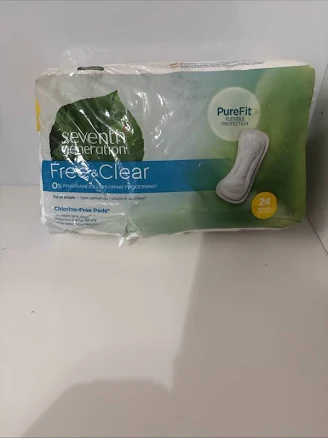
Seventh Generation
Seventh Generation Chlorine Free Maxi Pads
100/100 safety
Same rubric that flunked this product. The swap earned Excellent.
Still want this one anyway? Check the price on Amazon. We’d swap it.
Material
nonwoven polypropylene, absorbent core, waterproof backing layer (unspecified composition)
Brand disclosure
Brand is silent on PFAS
Lab data
No public lab test
You may also be interested in
Top-graded picks in the categories readers replace first, every one scored on the same rubric.

- polypropylene filter housing, carbon/sediment cartridge
- We found no PFAS statement from the brand
- Bacterial growth in spent cartridges
3 hazards checked on this product, all on its full breakdown.

Aquasure
Premier Series 75 GPD Under Sink Reverse Osmosis Water Filtration System
- RO membrane, carbon filters, stainless steel housing
- We found no PFAS statement from the brand
- Bacterial and microbial growth in housing and filters
4 hazards checked on this product, all on its full breakdown.

Avocado
Vegan Mattress
- organic cotton, natural latex, coconut coir, recycled steel coils
- The brand calls it PFAS-free, which we have not verified
- Heavy metals
2 hazards checked on this product, all on its full breakdown.
What Stayfree Ultra Thin Overnight Pads Wings is made of, ingredients and materials
Stayfree Ultra Thin Overnight uses nonwoven polypropylene as the primary fabric layer, which is a common thermoplastic polymer with no established toxicity concerns at normal body temperature. The absorbent core typically contains superabsorbent polymers (SAPs) like sodium polyacrylate, which are designed to absorb and retain liquid without breaking down during normal use. The critical unknown is the waterproof backing layer, the brand does not publicly specify whether it contains Teflon-type coating, polyethylene, polycarbonate, or another polymer, and critically does not disclose whether PFAS chemicals are used to achieve water resistance. This opacity is the primary safety concern, as some menstrual pad manufacturers use PFAS-based coatings to reduce weight while maintaining barrier performance.
What’s concerning
Category baseline
The starting point for this type of product, before anything specific to this product is counted.
No PFAS disclosure
No public statement from the brand about PFAS in this product.
Waterproof / stain-resistant treatment
Water-repellent coating treatments have historically used PFAS.
PFAS
Waterproof backing composition is unspecified by Stayfree; PFAS chemicals are used by some pad manufacturers in moisture barriers and the brand's silence on this compounds the concern. Direct dermal absorption risk is low but repeated intimate contact warrants disclosure.
Source, ATSDR ↗Adhesive and fragrance allergens
Stayfree Ultra Thin contains synthetic fragrance to mask odor; no specific allergen disclosure is provided. Individuals with fragrance sensitivity or contact dermatitis history should verify ingredient list or select unscented alternatives.
What’s reassuring
Superabsorbent polymer (SAP) breakdown and irritation
Sodium polyacrylate in menstrual pads is regulated by FDA and shows no reported cases of systemic toxicity from Stayfree pads specifically under normal use. Localized skin irritation is possible in sensitive individuals but is not product-specific.
Nonwoven polypropylene microfiber shedding
Nonwoven polypropylene does not degrade into microplastics at body temperature or under normal vaginal pH conditions. No evidence of fiber shedding from this product category has been documented in peer-reviewed literature.
Coating or adhesive leachables under moist conditions
No recalls or contamination reports exist for Stayfree pads; nonwoven and SAP materials are chemically stable under vaginal conditions. The unspecified backing is the only material where leaching potential cannot be ruled out without disclosure.
How is this PFAS grade calculated?
The brand's record and disclosure
Stayfree (owned by Johnson & Johnson) has not published ingredient transparency reports, safety certifications, or PFAS testing results for this product line. The brand has not signed the PFAS Transparency Pledge or responded to public inquiries about fluorinated compounds in period products. J&J has faced litigation over talc contamination in other personal care products, but no recalls or known contamination have been documented for Stayfree pads specifically. The absence of disclosure is notable given that competitors like Seventh Generation and some store brands now explicitly state PFAS-free formulations, making Stayfree's silence a relative weakness in market practice.
How it compares in its category
Among overnight pads, Stayfree Ultra Thin occupies the mainstream market segment alongside Kotex and Tampax Pearl, where PFAS disclosure is rare across the category. Brands that explicitly guarantee PFAS-free backing (such as Seventh Generation and several organic/natural lines) command a premium and are technically ahead on transparency. Most major brand pads use unspecified polymer backings; Stayfree is not uniquely opaque, but it is also not a leader in safety communication. The nonwoven polypropylene body itself is standard and carries no elevated hazard; the differentiation lies entirely in backing chemistry and brand openness.
If you buy it
Store pads in a cool, dry location away from direct sunlight, as exposure to heat or humidity can degrade polymer layers over time. Do not use if the packaging shows signs of moisture damage or visible deterioration of the backing layer, as this may indicate breakdown of the waterproof barrier. Change pads every 4-8 hours during overnight use to minimize skin contact time and reduce any potential for irritant buildup. Consider requesting the brand to publish PFAS testing results or switching to a pad line that explicitly discloses waterproof layer composition if this disclosure matters to your purchasing criteria.
What is not known about PFAS in this product?
- Basis
- Model estimate, 45% confidence, not a lab result
- Lab test
- None on record for this exact product
- Brand statement
- Stayfree has made none
Formulations change between production runs, so check the current label. How we grade.
What are the PFAS-free alternatives to Stayfree Ultra Thin Overnight Pads with Wings?
- organic cotton, wood pulp
- The brand calls it PFAS-free, which we have not verified
- Fragrance allergen content
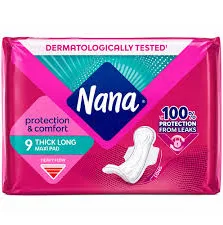
- cellulose, cotton blend, absorbent core
- We found no PFAS statement from the brand
- Bleach residues and processing chemicals in cellulose
3 hazards checked on this product, all on its full breakdown.
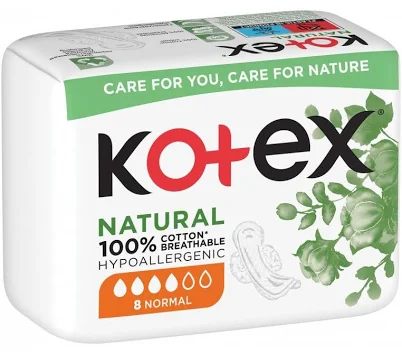
- Cotton, wood pulp absorbent core, plastic backing
- Pesticide residue
2 hazards checked on this product, all on its full breakdown.
More period pads grades
How we score, every product runs through the same public 0-100 rubric based on materials, coatings, brand disclosure, lab findings, and recalls. See the full methodology → Spotted a mistake? Report an error.