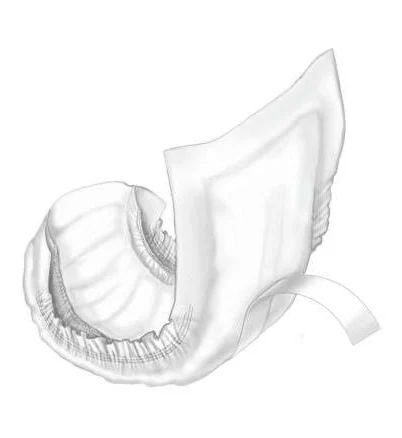
Surecare · Incontinence Pads & Protection
Bladder Control Pad Surecare 13 Inch Length Heavy Absorbency Polymer Male #23246A
Skip until Surecare discloses waterproof coating chemistry; incontinence pads commonly use aqueous PFAS-based barriers.
Surecare's product uses a polymer absorber and an unspecified waterproof treatment, standard for bladder-control pads. Incontinence products frequently rely on PFAS-based moisture barriers for leak prevention, but brand provides no coating disclosure or PFAS testing data.
The better-graded swap
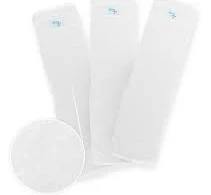
Adult Bamboo Booster Pads
70/100 safety
Same rubric that flunked this product. The swap earned Good.
Still want this one anyway? Check the price on Amazon. We’d swap it.
Material
polymer core with unspecified waterproof/moisture-barrier coating
Brand disclosure
Brand is silent on PFAS
Lab data
No public lab test
What Bladder Control Pad Surecare 13 Inch is made of, ingredients and materials
This pad uses a polymer core (likely superabsorbent polymer or SAP, standard in incontinence products) with an unspecified waterproof or moisture-barrier backing. The manufacturer has not publicly disclosed the chemistry of that barrier layer, which is the critical concern, waterproof coatings in incontinence pads are commonly formulated with PFAS (PFAS "forever chemicals") to repel fluids. The polymer core itself poses minimal acute risk, but the barrier's composition directly affects skin contact safety.
What’s concerning
Category baseline
The starting point for this type of product, before anything specific to this product is counted.
No PFAS disclosure
No public statement from the brand about PFAS in this product.
Waterproof / stain-resistant treatment
Water-repellent coating treatments have historically used PFAS.
PFAS
Incontinence pad waterproof layers commonly use PFAS-based chemistries. Surecare has not disclosed its specific formulation. Potential skin contact with undisclosed barrier chemicals is the primary concern for users with PFAS or fluorochemical sensitivities.
Source, ATSDR ↗Skin irritation and maceration from prolonged moisture contact
Incontinence pads inherently create a moist microenvironment. While not a chemical hazard, inadequate pad changes increase dermatitis risk, especially in immunocompromised or elderly users. Product-specific irritancy data from Surecare is not publicly available.
Bacterial or mold growth in stored or partially used pads
Moisture-retentive polymer materials can support microbial growth if stored in humid conditions or if opened packages are left unsealed. This is a use-and-storage issue rather than a manufacturing defect, but relevant to hygiene and secondary infection risk.
What’s reassuring
Superabsorbent polymer (SAP) core integrity and leachables
No recalls or reported toxicity issues for Surecare SAP cores. Standard incontinence pad polymers are non-toxic when intact, but fragmentation or dust from degraded pads could pose minor inhalation or contact risk if chronic exposure occurs.
Adhesive or fastening components (if present)
Surecare #23246A specifications do not detail adhesive chemistry or fastening methods. If the product uses adhesive strips, acrylate-based adhesives are standard; no hazard of this kind on record for this brand.
The full breakdown
The brand's record and disclosure
Surecare has not published detailed material safety documentation or PFAS disclosure statements in publicly available sources. No major recalls or safety controversies specific to this product line appear in FDA or consumer safety databases. However, the brand's silence on coating chemistry is notable in an industry where PFAS use is common and increasingly scrutinized. Absence of a PFAS-free or low-PFAS claim suggests the product may contain fluorinated barriers; transparency is lacking.
How it compares in its category
Most standard male incontinence pads (13-inch length, heavy absorbency) use similar polymer-plus-waterproof-backing designs, and few manufacturers openly disclose PFAS status. Products marketed as PFAS-free or PFAS-reduced do exist but are less common in mainstream retail. Surecare's lack of differentiation on this front places it in the middle of the market; it is neither a documented PFAS-free leader nor flagged by regulators as unsafe.
If you buy it
Change pads regularly (at minimum when saturated) to minimize skin contact duration and irritation risk. Store in a cool, dry place away from direct heat or sunlight, which can degrade polymer integrity and potentially alter barrier chemistry. Inspect pads before use for visible damage, odor, or discoloration, which may indicate decomposition. If skin irritation, rash, or sensitivity develops, discontinue use and consider requesting material safety data from the manufacturer or switching to a certified PFAS-free alternative.
What we don’t know
- Basis
- Model estimate, 35% confidence, not a lab result
- Lab test
- None on record for this exact product
- Brand statement
- Surecare has made none
Formulations change between production runs, so check the current label. How we grade.
Better-graded alternatives in Incontinence Pads & Protection
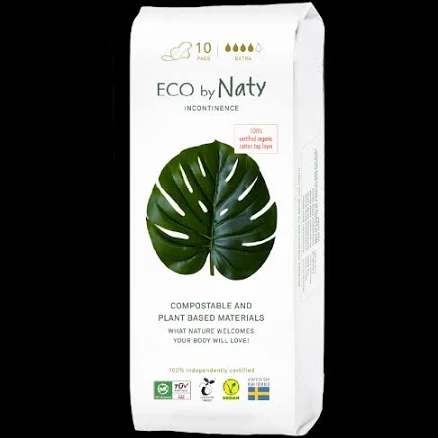
Eco By Naty
Incontinence Pads
- Bamboo-derived viscose, cotton, plant-based absorbent core
- We found no PFAS statement from the brand
- Heavy metals
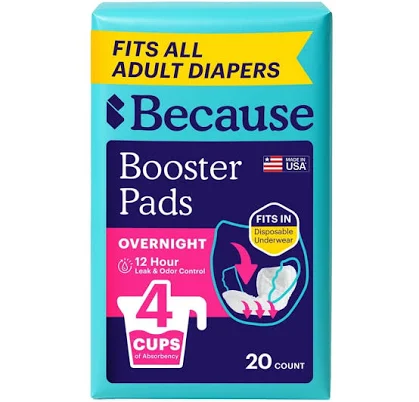
Because Market
Because Booster Pads
- Cellulose, superabsorbent polymer, cotton blend
- We found no PFAS statement from the brand
- Absorbent material degradation and bacterial growth
2 hazards checked on this product. See all of them.
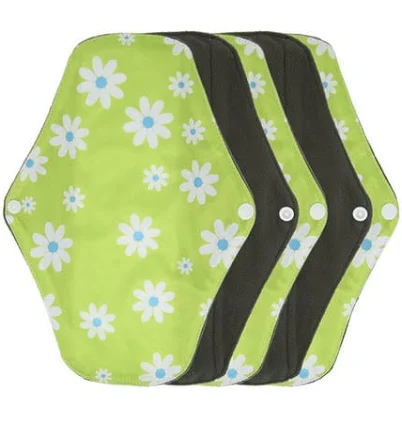
5pcs Bamboo Charcoal Washable Incontinence Pads
- bamboo charcoal textile, washable cotton-blend absorbent layer
- We found no PFAS statement from the brand
- Azo dyes and synthetic colorants
4 hazards checked on this product. See all of them.
More incontinence pads & protection grades
How we score, every product runs through the same public 0-100 rubric based on materials, coatings, brand disclosure, lab findings, and recalls. See the full methodology → Spotted a mistake? Report an error.