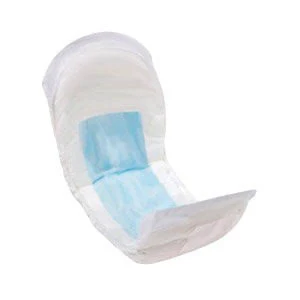
Surecare · Incontinence Pads & Protection
Cardinal Health Sure Care Bladder Control Pads
Incontinence pad with undisclosed waterproof treatment, PFAS risk typical for category but unconfirmed.
Cardinal Health Sure Care bladder control pads likely contain a waterproof plastic backing, a common application for PFAS-based water-repellent coating coatings in absorbent hygiene products. Brand provides no public PFAS use or treatment disclosure.
The better-graded swap
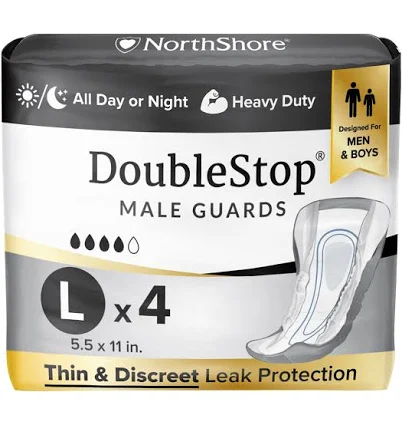
Northshore
NorthShore DoubleStop Male Guards
70/100 safety
Same rubric that flunked this product. The swap earned Good.
Still want this one anyway? Check the price on Amazon. We’d swap it.
Material
Absorbent core with plastic backsheet; waterproof treatment unspecified
Brand disclosure
Brand is silent on PFAS
Lab data
No public lab test
What Cardinal Health Sure Care Bladder Control is made of, ingredients and materials
Sure Care bladder control pads use a standard three-layer construction, a topsheet (typically nonwoven polypropylene for comfort), an absorbent core (usually cellulose and superabsorbent polymer), and a waterproof plastic backsheet. The backsheet material and waterproofing treatment are not specified on packaging or Cardinal Health disclosures. Waterproof treatments in incontinence products commonly use PFAS compounds (PFAS "forever chemicals") to repel moisture, though this brand does not confirm or deny their use. The absorbent core itself is generally considered low-risk if the product is changed regularly and skin remains dry.
What’s concerning
Category baseline
The starting point for this type of product, before anything specific to this product is counted.
No PFAS disclosure
No public statement from the brand about PFAS in this product.
Waterproof / stain-resistant treatment
Water-repellent coating treatments have historically used PFAS.
PFAS
Plastic backsheet waterproofing method is not disclosed by Cardinal Health. PFAS is typical in incontinence pads but unconfirmed for this product; no independent testing or brand statement available.
Source, ATSDR ↗Superabsorbent polymer (SAP) contact dermatitis
Core absorbent materials commonly contain sodium polyacrylate or similar SAP compounds. Skin contact during extended wear or if core breaches can cause localized irritation in sensitive individuals, though incidence is low.
Plastic backsheet degradation
Over time or if exposed to heat, the polypropylene backsheet may crack or shed microplastics, particularly if stored improperly. This is cosmetic and hygiene risk rather than acute toxicity.
Bacterial growth from moisture retention
Primary practical hazard is skin maceration and urinary tract infection risk if pads are not changed frequently enough. This reflects product category design, not a defect specific to Sure Care.
What’s reassuring
Fragrance or skin-care additive sensitivity
Sure Care pads are typically unscented and free of added lotions or plant extracts that sometimes trigger reactions. No documented allergenic additives are known for this brand.
The full breakdown
The brand's record and disclosure
Cardinal Health, the parent company, is a large medical-supplies distributor with limited public transparency on PFAS use in private-label incontinence products. No formal PFAS elimination commitment or third-party certifications (such as OEKO-TEX or Cradle to Cradle) are known to apply to Sure Care pads. The brand has not issued recalls or safety notices specific to this product. Lack of disclosure does not confirm presence of PFAS, but it reflects industry-wide opacity on waterproofing chemistry in budget-priced incontinence wear.
How it compares in its category
Sure Care pads are positioned as an affordable, store-brand alternative to premium brands like Depends or Poise. Most incontinence pads in this price tier use similar undisclosed waterproofing; competitors with published PFAS commitments (e.g., some Kimberly-Clark products) are more transparent but costlier. No independent test data comparing PFAS levels across brands in this category is publicly available. For consumers prioritizing cost over verified low-PFAS status, Sure Care is representative of category norms rather than a higher-risk outlier.
If you buy it
Change pads every 2-4 hours or when fully saturated to minimize skin irritation and bacterial growth; prolonged moisture exposure increases dermatitis risk, which is the main practical hazard of any incontinence pad if hygiene is neglected. Do not rinse and reuse; single-use design prevents contamination. Store in a cool, dry place away from direct heat or sunlight to avoid degradation of the plastic backsheet. If rashes, itching, or unusual odor develop, consider switching brands or consulting a healthcare provider, as sensitivities to absorbent polymers or backsheet materials vary by individual.
What we don’t know
- Basis
- Model estimate, 42% confidence, not a lab result
- Lab test
- None on record for this exact product
- Brand statement
- Surecare has made none
Formulations change between production runs, so check the current label. How we grade.
Better-graded alternatives in Incontinence Pads & Protection
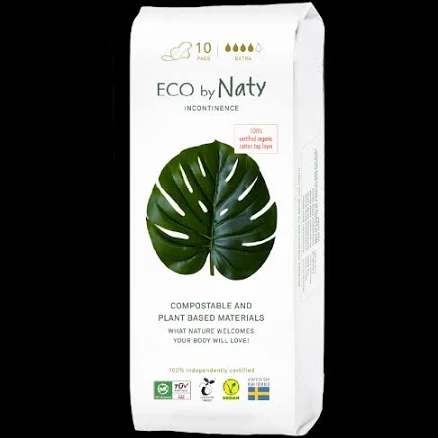
Eco By Naty
Incontinence Pads
- Bamboo-derived viscose, cotton, plant-based absorbent core
- We found no PFAS statement from the brand
- Heavy metals
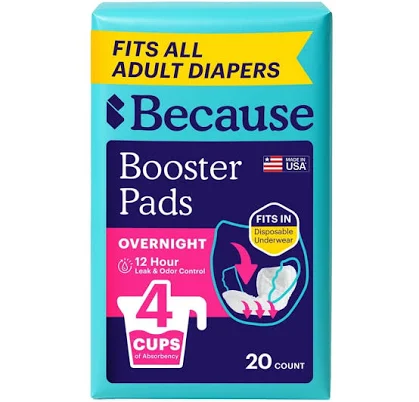
Because Market
Because Booster Pads
- Cellulose, superabsorbent polymer, cotton blend
- We found no PFAS statement from the brand
- Absorbent material degradation and bacterial growth
2 hazards checked on this product. See all of them.
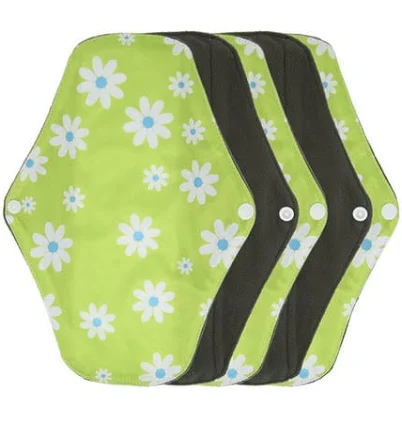
5pcs Bamboo Charcoal Washable Incontinence Pads
- bamboo charcoal textile, washable cotton-blend absorbent layer
- We found no PFAS statement from the brand
- Azo dyes and synthetic colorants
4 hazards checked on this product. See all of them.
More incontinence pads & protection grades
How we score, every product runs through the same public 0-100 rubric based on materials, coatings, brand disclosure, lab findings, and recalls. See the full methodology → Spotted a mistake? Report an error.