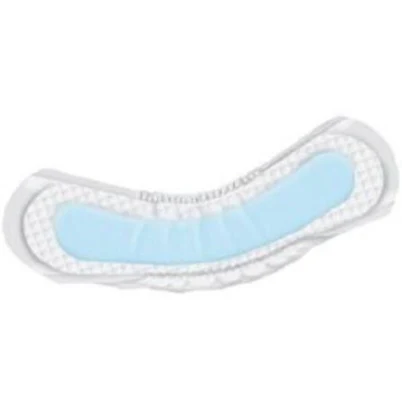
Surecare · Incontinence Pads & Protection
Cardinal Health SureCare Bladder Control Pads
No public PFAS disclosure; incontinence pads often use water-resistant coatings, request transparency from Cardinal Health.
SureCare bladder control pads are incontinence products that likely contain a waterproof or water-resistant barrier layer, a category where PFAS has historically been used to achieve moisture protection. Cardinal Health has not publicly disclosed PFAS or third-party certification.
The better-graded swap
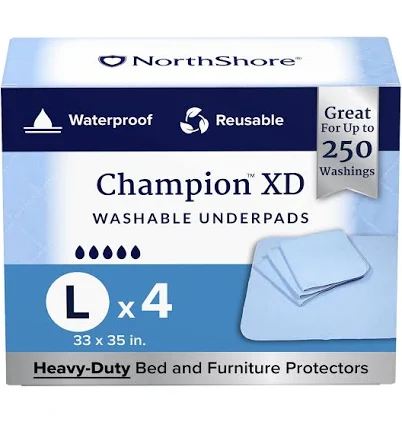
Northshore
NorthShore Champion XD Washable
70/100 safety
Same rubric that flunked this product. The swap earned Good.
Still want this one anyway? Check the price on Amazon. We’d swap it.
Material
Cellulose/nonwoven with moisture-barrier coating (composition not publicly detailed)
Brand disclosure
Brand is silent on PFAS
Lab data
No public lab test
What Cardinal Health SureCare Bladder Control is made of, ingredients and materials
SureCare pads use cellulose combined with nonwoven synthetic layers and a moisture-barrier coating, but Cardinal Health does not publicly disclose the chemical identity of that barrier layer. Moisture barriers in incontinence pads are typically polyethylene, polypropylene, or film composites, sometimes treated with water-resistant additives (potential PFAS carriers). The cellulose core is absorbent but inert; the risk profile depends entirely on the opaque coating formulation and any adhesive resins used to bond layers.
What’s concerning
Category baseline
The starting point for this type of product, before anything specific to this product is counted.
No PFAS disclosure
No public statement from the brand about PFAS in this product.
Waterproof / stain-resistant treatment
Water-repellent coating treatments have historically used PFAS.
Water-resistant coating composition (unknown chemistry)
The barrier layer is not publicly identified. If it contains PFAS or other halogenated compounds, skin contact over prolonged wear could pose low but unquantified risk. No test data is available.
Dermal sensitization from undisclosed additives
Moisture-barrier coatings and synthetic fibers may contain optical brighteners, antistatic agents, or antimicrobial additives not listed on packaging. Individuals with sensitive skin or latex sensitivity should patch-test or seek hypoallergenic alternatives.
What’s reassuring
Adhesive resins and residue
Pads use adhesives to secure the garment; formaldehyde-releasing resins are unlikely in modern medical-grade products, but are not ruled out without disclosure. No reported incidents for this product.
Synthetic nonwoven microfiber shedding
Nonwoven layers can shed microfibers, particularly if pads degrade or are handled roughly. Systemic ingestion risk is negligible during normal use; skin contact risk is unquantified.
Moisture barrier durability and breakdown over time
Extended storage or heat exposure may compromise the coating's integrity, but no data on leachate formation is publicly available. Replace if pad shows visible wear or adhesive degradation.
The full breakdown
The brand's record and disclosure
Cardinal Health, a major healthcare distributor, does not publish chemical composition or safety certifications (e.g., Oeko-Tex, GOTS) for SureCare incontinence products on publicly available channels. No recalls specific to chemical hazards in this product line are documented. The company's silence on PFAS and barrier-layer chemistry reflects an industry-wide gap, most incontinence pad makers do not voluntarily disclose coating composition or conduct third-party testing for legacy water-resistance chemicals.
How it compares in its category
SureCare is a mid-market, budget-oriented brand; competitors like Depend, Tena, and Poise are similarly vague on coating chemistry, though some (e.g., Tena) have begun requesting PFAS-free certifications from suppliers in response to regulatory pressure. Premium or eco-certified alternatives (e.g., Seventh Generation free & clear) publish ingredient lists and third-party testing. SureCare sits in the transparency gap typical of mass-market incontinence products.
If you buy it
Store pads in a cool, dry place away from direct heat or sunlight to prevent adhesive breakdown or coating degradation. Do not reuse or wash pads; they are single-use. If skin irritation, rash, or allergic reaction develops, discontinue immediately and consider an alternative brand with published hypoallergenic or dermatologist-tested claims. Request detailed ingredient disclosure from Cardinal Health; consumer pressure has driven transparency improvements in related product categories.
What we don’t know
- Basis
- Model estimate, 45% confidence, not a lab result
- Lab test
- None on record for this exact product
- Brand statement
- Surecare has made none
Formulations change between production runs, so check the current label. How we grade.
Better-graded alternatives in Incontinence Pads & Protection
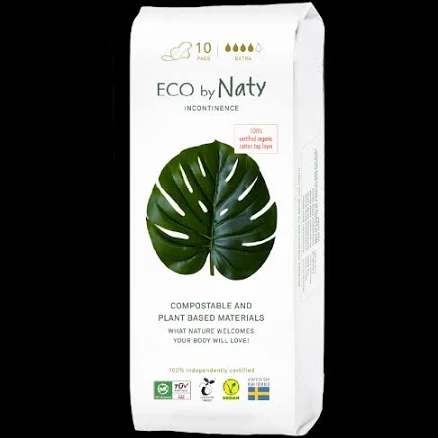
Eco By Naty
Incontinence Pads
- Bamboo-derived viscose, cotton, plant-based absorbent core
- We found no PFAS statement from the brand
- Heavy metals
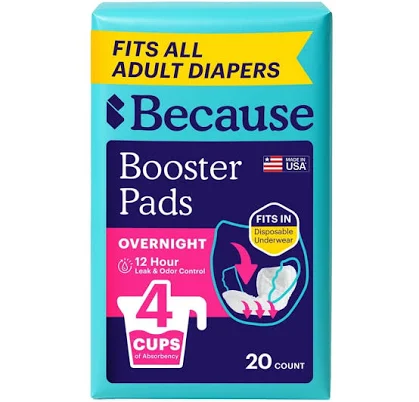
Because Market
Because Booster Pads
- Cellulose, superabsorbent polymer, cotton blend
- We found no PFAS statement from the brand
- Absorbent material degradation and bacterial growth
2 hazards checked on this product. See all of them.
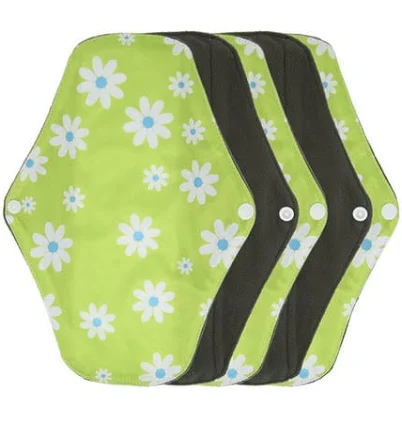
5pcs Bamboo Charcoal Washable Incontinence Pads
- bamboo charcoal textile, washable cotton-blend absorbent layer
- We found no PFAS statement from the brand
- Azo dyes and synthetic colorants
4 hazards checked on this product. See all of them.
More incontinence pads & protection grades
How we score, every product runs through the same public 0-100 rubric based on materials, coatings, brand disclosure, lab findings, and recalls. See the full methodology → Spotted a mistake? Report an error.