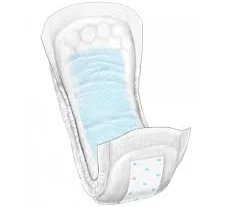
Surecare · Incontinence Pads & Protection
SureCare Bladder Control Pad
Skip because bladder pads use water-resistant coatings often treated with PFAS; brand silent on composition.
SureCare Bladder Control Pads require a waterproof backing to function, a feature historically linked to PFAS treatments in incontinence products. Brand provides no public PFAS status, material sourcing, or independent testing disclosure.
The better-graded swap
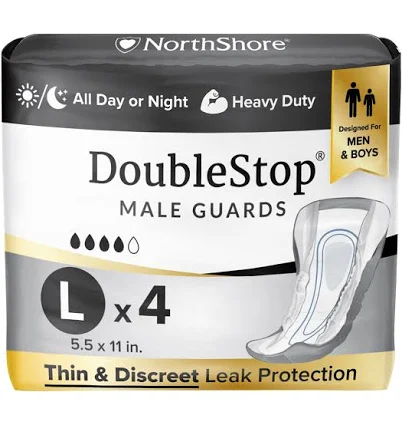
Northshore
NorthShore DoubleStop Male Guards
70/100 safety
Same rubric that flunked this product. The swap earned Good.
Still want this one anyway? Check the price on Amazon. We’d swap it.
Material
absorbent core with waterproof backing layer (unspecified polymer)
Brand disclosure
Brand is silent on PFAS
Lab data
No public lab test
What SureCare Bladder Control Pad is made of, ingredients and materials
SureCare pads contain an absorbent core (likely wood pulp, superabsorbent polymer, or cellulose blend) bonded to an unspecified waterproof polymer backing layer. Water-resistant coatings on incontinence products are frequently treated with PFAS (PFAS "forever chemicals") to achieve liquid barrier performance. The specific polymer identity and any chemical finishes are not disclosed by the brand, preventing transparent hazard assessment.
What’s concerning
Category baseline
The starting point for this type of product, before anything specific to this product is counted.
No PFAS disclosure
No public statement from the brand about PFAS in this product.
Waterproof / stain-resistant treatment
Water-repellent coating treatments have historically used PFAS.
PFAS
Waterproof polymer coatings on incontinence pads are commonly fluorinated for water repellency. SureCare does not disclose whether its backing contains PFAS, and industry-wide practice suggests it likely does.
Source, ATSDR ↗Skin irritation from coatings or dyes
Unspecified polymer backing and undisclosed chemical finishes may contain irritants or allergens. Incontinence pad users often have compromised or sensitive skin, elevating risk from unknown additives.
Microplastic or polymer particulate release
Repeated flexing, friction, and moisture exposure can cause polymer backing degradation over time, potentially releasing microscopic particles in contact with skin.
Bacterial or fungal growth if moisture retention is high
If the absorbent core or waterproof layer traps moisture rather than wicking it away, prolonged dampness may promote microbial growth, especially in warm or humid skin conditions.
Chemical leaching under body heat
Prolonged contact between warm, moist skin and an unspecified synthetic backing may enhance leaching of adhesives, finishing agents, or polymer components not disclosed by the manufacturer.
The full breakdown
The brand's record and disclosure
SureCare does not publicly disclose material composition, PFAS use, or third-party safety certifications on available product documentation. No recalls, safety incidents, or independent testing results specific to this product line are on public record. The brand's silence on these details is particularly concerning for a product designed for prolonged contact with sensitive skin.
How it compares in its category
Most incontinence pads use similar waterproof polymer backings, and PFAS contamination is a widespread category issue. Competitor brands (e.g.Depend, Tena, Northshore) have similarly opaque disclosure, though some have begun responding to consumer pressure for materials with lower PFAS concern. SureCare's lack of any stated commitment to PFAS-free or safety-tested alternatives places it in the lower tier of transparency within the category.
If you buy it
Change pads frequently to minimize skin exposure time; do not apply heat (machine drying) as this may promote chemical migration from the backing layer. Watch for skin irritation, rash, or unusual odor as signs of potential chemical sensitivity. If used long-term, request material safety data sheets from the manufacturer and consider switching to brands with disclosed PFAS-free backing formulations.
What we don’t know
- Basis
- Model estimate, 35% confidence, not a lab result
- Lab test
- None on record for this exact product
- Brand statement
- Surecare has made none
Formulations change between production runs, so check the current label. How we grade.
Better-graded alternatives in Incontinence Pads & Protection
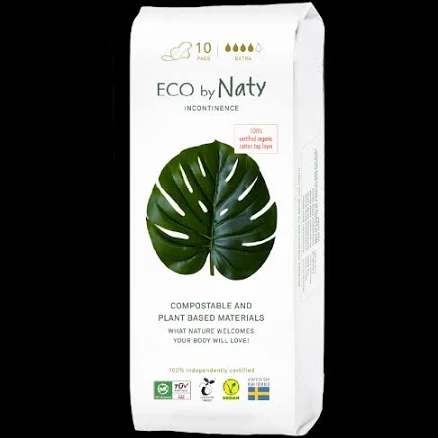
Eco By Naty
Incontinence Pads
- Bamboo-derived viscose, cotton, plant-based absorbent core
- We found no PFAS statement from the brand
- Heavy metals
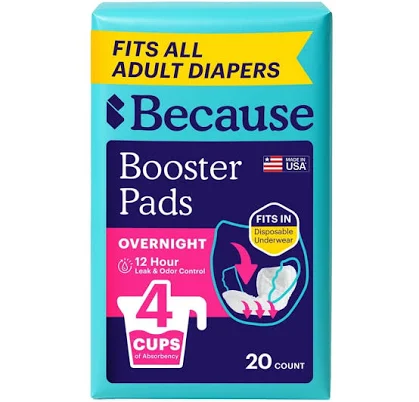
Because Market
Because Booster Pads
- Cellulose, superabsorbent polymer, cotton blend
- We found no PFAS statement from the brand
- Absorbent material degradation and bacterial growth
2 hazards checked on this product. See all of them.
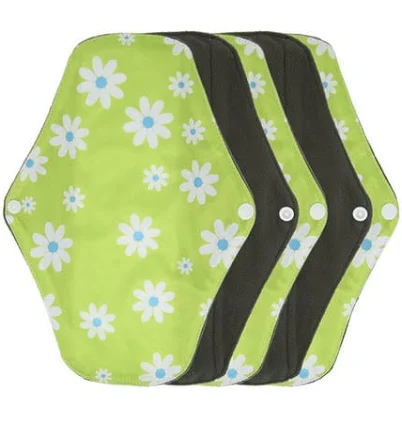
5pcs Bamboo Charcoal Washable Incontinence Pads
- bamboo charcoal textile, washable cotton-blend absorbent layer
- We found no PFAS statement from the brand
- Azo dyes and synthetic colorants
4 hazards checked on this product. See all of them.
More incontinence pads & protection grades
How we score, every product runs through the same public 0-100 rubric based on materials, coatings, brand disclosure, lab findings, and recalls. See the full methodology → Spotted a mistake? Report an error.