Surecare · Incontinence Pads & Protection
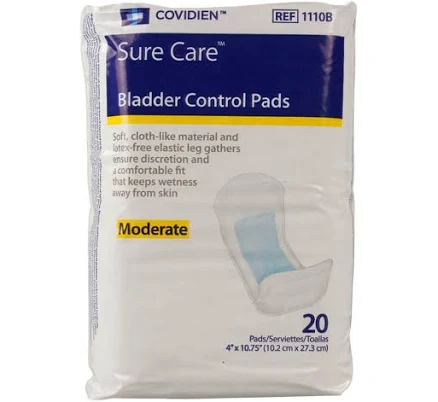
SureCare Bladder Control Pads
Skip until SureCare discloses waterproofing chemistry or provides lab testing.
SureCare Bladder Control Pads lack public transparency about the waterproofing treatment on their backing layer, a common location for PFAS in absorbent products. No lab testing, certifications, or brand PFAS disclosure are evident.
The better-graded swap
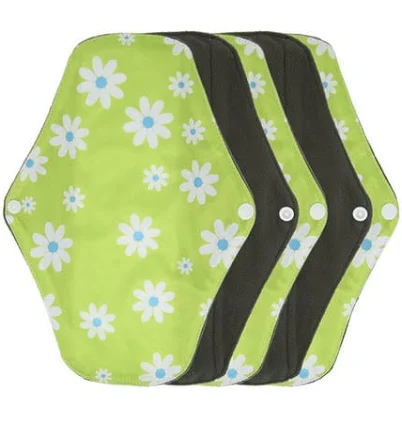
5pcs Bamboo Charcoal Washable Incontinence Pads
70/100 safety
Same rubric that flunked this product. The swap earned Good.
Still want this one anyway? Check the price on Amazon. We’d swap it.
Material
Absorbent core + waterproofed backing (likely PE or PE-coated material, coating unspecified)
Brand disclosure
Brand is silent on PFAS
Lab data
No public lab test
What SureCare Bladder Control Pads is made of, ingredients and materials
SureCare pads use a standard incontinence pad construction, a cellulose-based absorbent core (typically wood pulp or fluff) topped with a soft facing layer, backed by a waterproof polymer layer. The backing is almost certainly polyethylene (PE) or PE-coated material, which requires a water-repellent treatment to function. The specific chemistry of that treatment is not disclosed by SureCare, and industry-standard waterproofing in low-cost pads often relies on PFAS compounds (PFAS "forever chemicals") that resist both water and oils.
What’s concerning
Category baseline
The starting point for this type of product, before anything specific to this product is counted.
No PFAS disclosure
No public statement from the brand about PFAS in this product.
Waterproof / stain-resistant treatment
Water-repellent coating treatments have historically used PFAS.
PFAS
Undisclosed waterproofing chemistry on a PE-backed pad in a budget product line strongly suggests PFAS presence. SureCare has not published testing or reformulation statements, unlike competitors moving toward PFAS-free alternatives. Skin contact with PFAS-treated materials is a documented exposure route, especially for extended or frequent use.
Source, ATSDR ↗Synthetic polymer backing degradation
PE and PE-coated backings can degrade over time if exposed to friction, heat, or oxidative stress, potentially releasing microparticles or coating fragments. Normal use at body temperature poses minimal risk, but prolonged storage in warm conditions or mechanical stress could accelerate breakdown.
Skin irritation from absorbent core or additives
Incontinence pads may contain residual formaldehyde or other cross-linking agents in the cellulose core, and facing materials sometimes include slip agents or antimicrobial compounds. These are generally present in low concentrations and cause irritation only in sensitive individuals, but no independent testing of SureCare's specific formulation is publicly available.
What’s reassuring
Latex or natural rubber allergens
SureCare does not advertise latex-free status, but most modern mass-market incontinence pads are latex-free. No recalls or complaints citing latex contamination are on record for this brand. If you have latex sensitivity, contact the manufacturer to confirm.
Bacterial overgrowth from prolonged wear
The pad itself does not inherently promote infection, but extended wear without changing increases moisture and skin flora proliferation. This is a usage issue, not a product defect, but users should change pads regularly to maintain skin health.
The full breakdown
The brand's record and disclosure
SureCare has not published detailed material composition, supplier standards, or testing results for PFAS content on its website or marketing materials. The brand maintains silence on waterproofing chemistry, which is a red flag in an industry where PFAS use in absorbent hygiene products is documented but not universally phased out. No major recalls or safety controversies are on record for SureCare pads, but absence of disclosure does not equal absence of risk. Competitors in the segment (Tena, Depend, Poise) have begun moving toward formulations with lower PFAS concern or at least publishing testing data.
How it compares in its category
SureCare pads occupy the budget-to-mid-range tier of the incontinence pad market. Many premium and eco-focused brands now offer PFAS-free or third-party tested options (e.g., some Tena Flex variants, Seventh Generation incontinence pads). SureCare's silence on this issue, combined with its price point, suggests the brand may still rely on conventional PFAS-containing waterproofing. Mid-to-premium competitors increasingly offer transparency; SureCare's lack thereof is a relative weakness, not absolute proof of danger, but a meaningful gap in an era when consumer demand for disclosure is rising.
If you buy it
Use pads as directed and replace them promptly after use to minimize skin contact time with any potential leachables. Do not heat, microwave, or expose pads to high temperatures, as this could theoretically accelerate any coating degradation, though normal body heat and room temperature use carry minimal risk. Store in a cool, dry place away from direct sunlight to preserve the waterproof backing. If you experience unexplained skin irritation or allergic reaction, discontinue use and consult a healthcare provider; most users tolerate these pads without incident, but individual sensitivity varies.
What we don’t know
- Basis
- Model estimate, 35% confidence, not a lab result
- Lab test
- None on record for this exact product
- Brand statement
- Surecare has made none
Formulations change between production runs, so check the current label. How we grade.
Better-graded alternatives in Incontinence Pads & Protection
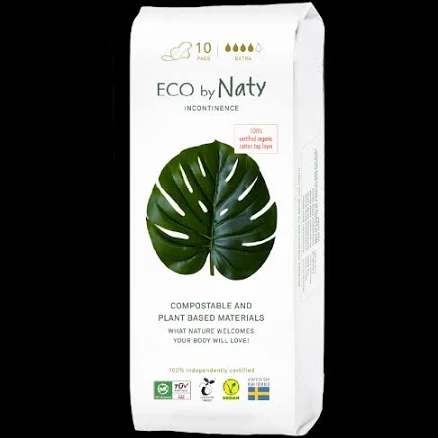
Eco By Naty
Incontinence Pads
- Bamboo-derived viscose, cotton, plant-based absorbent core
- We found no PFAS statement from the brand
- Heavy metals
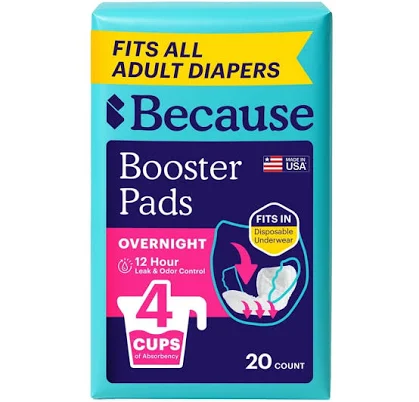
Because Market
Because Booster Pads
- Cellulose, superabsorbent polymer, cotton blend
- We found no PFAS statement from the brand
- Absorbent material degradation and bacterial growth
2 hazards checked on this product. See all of them.
5pcs Bamboo Charcoal Washable Incontinence Pads
- bamboo charcoal textile, washable cotton-blend absorbent layer
- We found no PFAS statement from the brand
- Azo dyes and synthetic colorants
4 hazards checked on this product. See all of them.
More incontinence pads & protection grades
How we score, every product runs through the same public 0-100 rubric based on materials, coatings, brand disclosure, lab findings, and recalls. See the full methodology → Spotted a mistake? Report an error.