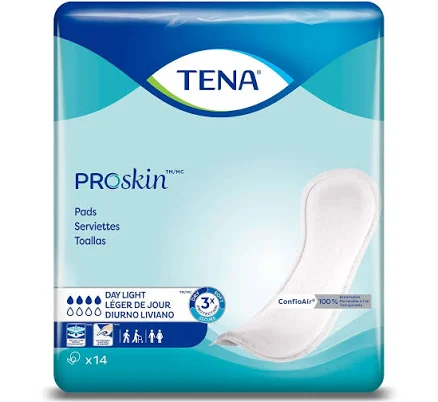
Tena · Incontinence Pads & Protection
TENA Day Light Bladder Control Pad
Waterproof absorbent pad, likely treated but unspecified. Avoid if PFAS-sensitive.
TENA Day Light has the waterproof backing standard in incontinence pads, yet Tena reveals no PFAS status or material details. Waterproof coatings commonly use PFAS, though not always.
The better-graded swap
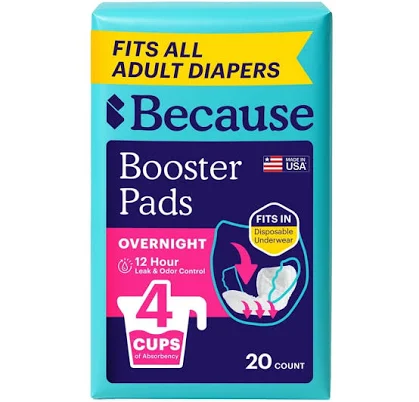
Because Market
Because Booster Pads
70/100 safety
Same rubric that flunked this product. The swap earned Good.
Still want this one anyway? Check the price on Amazon. We’d swap it.
Material
nonwoven cellulose with waterproof backing layers
Brand disclosure
Brand is silent on PFAS
Lab data
No public lab test
What TENA Day Light Bladder Control Pad is made of, ingredients and materials
TENA Day Light uses a nonwoven cellulose core (typically wood pulp or cotton linters) layered with a waterproof backing, likely polyethylene or polypropylene film. The waterproofing function requires either a plastic polymer film or a chemical water-repellent treatment; modern pads in this category commonly use fluorochemical coatings (PFAS compounds) to achieve breathability while blocking moisture. The nonwoven materials themselves show no hazard of this kind on record; the concern centers on the backing layer's composition and any surfactant or polymer additives used during manufacture.
What’s concerning
Category baseline
The starting point for this type of product, before anything specific to this product is counted.
No PFAS disclosure
No public statement from the brand about PFAS in this product.
Waterproof / stain-resistant treatment
Water-repellent coating treatments have historically used PFAS.
Waterproof backing leachables (plastic polymers or fluorochemical coatings)
The polyethylene or polypropylene film backing may release oligomers or additives; if PFAS-based water repellent is used, dermal and indirect ingestion exposure is possible with prolonged contact. No published migration studies specific to TENA Day Light are available.
Nonwoven fiber shedding or microfiber release
Degraded or poorly bonded nonwoven fibers can shed microscopic particles, especially if the pad is agitated or if the backing separates. Inhalation risk is minimal with normal use, but dermal contact is likely.
Fragrance or adhesive contact dermatitis
Many absorbent pads in this category include fragrance agents or skin-contact adhesives to secure fit. Individuals with sensitive skin or fragrance allergies may experience irritation, though major reactions are not commonly reported for TENA products.
Bacterial or mold growth if occluded on skin
Any waterproof absorbent pad traps moisture and heat on the skin; prolonged wear without replacement creates an ideal environment for bacterial overgrowth and skin infection, especially in warm climates or with compromised skin barrier.
What’s reassuring
Heavy metals
No recalls or reported contamination with lead, cadmium, or other metals in TENA pads. The nonwoven and plastic materials are not inherently high-risk for metal accumulation, but third-party testing data are not publicly available.
Source, FDA ↗The full breakdown
The brand's record and disclosure
Tena (SCA/Essity group) does not publicly disclose PFAS use in absorbent pads, nor has it committed to PFAS phase-out timelines as of current public records. The brand has no major recalls or established safety controversies in this product line. Essity has faced general scrutiny on plastic packaging and sustainability but not product safety incidents specific to bladder control pads. No third-party certifications (such as Cradle to Cradle or specific PFAS-free labeling) are marketed for this SKU.
How it compares in its category
Bladder control pads are a smaller category than menstrual pads; safety standards and testing are less rigorous than for tampons or diapers. Most major brands (Depend, Poise, Tena, Always Discreet) use similar nonwoven-plus-plastic-film construction. Few brands disclose PFAS content; some newer entrants market 'plant-based' or 'bio-based' backings but verification is limited. Tena Day Light sits in the mainstream mid-market tier with no standout safety or transparency advantage.
If you buy it
Use as directed; no heating, microwaving, or prolonged storage in direct sunlight, which could degrade the plastic backing. Replace immediately after use to minimize skin contact with any residual moisture or degraded materials. Check the pad for visible tears, discoloration, or odor before use; discard if the backing is cracked or separating. Store in a cool, dry place; do not store in hot vehicles or humid bathrooms for extended periods, as heat and moisture can compromise polymer integrity.
What we don’t know
- Basis
- Model estimate, 45% confidence, not a lab result
- Lab test
- None on record for this exact product
- Brand statement
- Tena has made none
Formulations change between production runs, so check the current label. How we grade.
Better-graded alternatives in Incontinence Pads & Protection
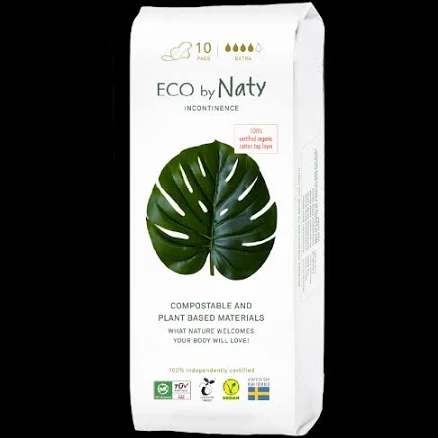
Eco By Naty
Incontinence Pads
- Bamboo-derived viscose, cotton, plant-based absorbent core
- We found no PFAS statement from the brand
- Heavy metals
Because Market
Because Booster Pads
- Cellulose, superabsorbent polymer, cotton blend
- We found no PFAS statement from the brand
- Absorbent material degradation and bacterial growth
2 hazards checked on this product. See all of them.
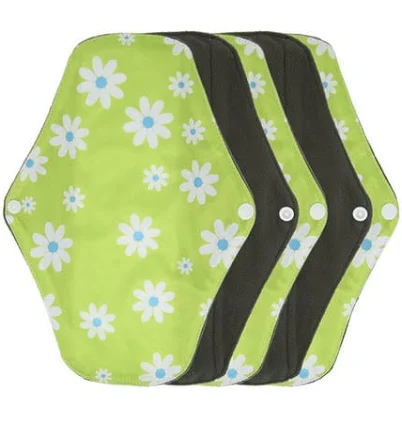
5pcs Bamboo Charcoal Washable Incontinence Pads
- bamboo charcoal textile, washable cotton-blend absorbent layer
- We found no PFAS statement from the brand
- Azo dyes and synthetic colorants
4 hazards checked on this product. See all of them.
More incontinence pads & protection grades
How we score, every product runs through the same public 0-100 rubric based on materials, coatings, brand disclosure, lab findings, and recalls. See the full methodology → Spotted a mistake? Report an error.