Tena · Incontinence Pads & Protection
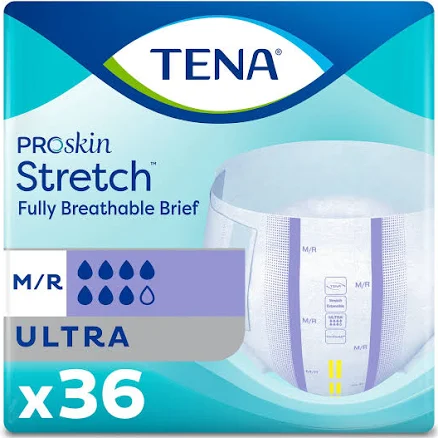
TENA Stretch Ultra Brief
No public PFAS disclosure. Waterproof backing raises concern without transparency.
TENA Stretch Ultra Brief has a waterproof backing layer whose treatment formula remains private. Absorbent incontinence products often use water-resistant coatings, which may contain PFAS, and the brand provides no information to assess the risk.
The better-graded swap
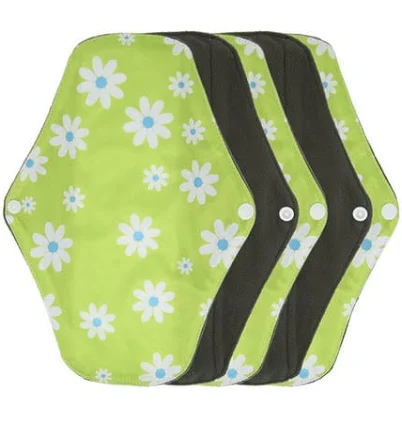
5pcs Bamboo Charcoal Washable Incontinence Pads
70/100 safety
Same rubric that flunked this product. The swap earned Good.
Still want this one anyway? Check the price on Amazon. We’d swap it.
Material
Absorbent core with polymeric waterproof backing layer (unspecified treatment)
Brand disclosure
Brand is silent on PFAS
Lab data
No public lab test
What TENA Stretch Ultra Brief is made of, ingredients and materials
TENA Stretch Ultra Brief combines an absorbent cellulose/superabsorbent polymer (SAP) core with an unspecified polymeric waterproof backing layer. The backing is the critical unknown, waterproofing in incontinence products typically involves polyethylene, polypropylene, or polyurethane films, sometimes treated with durable water repellents (DWRs). TENA does not publicly disclose the backing treatment chemistry, creating uncertainty about potential fluorinated coatings or other additives that contact skin directly for extended periods.
What’s concerning
Category baseline
The starting point for this type of product, before anything specific to this product is counted.
No PFAS disclosure
No public statement from the brand about PFAS in this product.
Waterproof / stain-resistant treatment
Water-repellent coating treatments have historically used PFAS.
Undisclosed waterproof backing chemistry (potential DWRs or fluorinated compounds)
Polymeric backing treatment is not specified by Tena. Durable water repellents in similar products may include fluorinated compounds or other additives; direct skin contact over hours raises bioaccumulation concern without ingredient transparency.
Skin irritation from backing plasticizers or residual manufacturing chemicals
Polymeric films may contain residual plasticizers, slip agents, or processing aids that leach on contact with moisture and skin lipids. Tena does not publicly disclose cleaning or residue-removal protocols post-manufacturing.
Thermal degradation of backing under heat exposure
Polyethylene and polypropylene backings can soften and release volatile organic compounds (VOCs) if exposed to temperatures above 50°C (122°F). Users applying external heat (heating pads) risk accelerated off-gassing.
Prolonged occlusive contact causing dermal irritation
All waterproof incontinence briefs create an occlusive microenvironment; extended wear increases maceration risk and can amplify irritation from backing contact or residual chemicals, independent of PFAS exposure.
What’s reassuring
Superabsorbent polymer (SAP) particulate migration
SAP cores are chemically stable and encapsulated in most commercial incontinence products; microparticle shedding into skin contact is not reported as a concern for intact Tena briefs, though mechanical damage could theoretically expose core material.
The full breakdown
The brand's record and disclosure
Tena (Essity AB, Sweden) is a major incontinence-care manufacturer with no public PFAS commitment, testing data, or transparency reports available as of current knowledge. The company has not published material safety data sheets or ingredient disclosures specific to backing treatments. Absence of disclosure in a category where skin contact is prolonged and intimate represents a notable transparency gap compared to some personal-care competitors who voluntarily test or commit to PFAS-free formulations.
How it compares in its category
Incontinence briefs typically present lower chemical-leaching risk than single-use pads because the absorbent core is buffered from skin, though backing contact is unavoidable. Competitors like Depend and store brands face similar disclosure gaps; few manufacturers in this category have published PFAS or water-repellent coating testing. The category is not heavily regulated for chemical transparency in most markets, making Tena representative rather than distinctly risky, but also not exceptional for openness.
If you buy it
Inspect the product for visible degradation, peeling, or odor before use and replace immediately if backing shows damage, as compromised layers increase leachate risk. Wash and dry the skin thoroughly after each change to minimize prolonged contact with backing materials and any residual treatment chemicals. Do not expose to direct heat (heating pads, hair dryers) as polymer backing can soften and release volatile compounds. If skin irritation develops, switch to an alternative brand or request PFAS testing data directly from Tena; document any reactions for your healthcare provider.
What we don’t know
- Basis
- Model estimate, 35% confidence, not a lab result
- Lab test
- None on record for this exact product
- Brand statement
- Tena has made none
Formulations change between production runs, so check the current label. How we grade.
Better-graded alternatives in Incontinence Pads & Protection
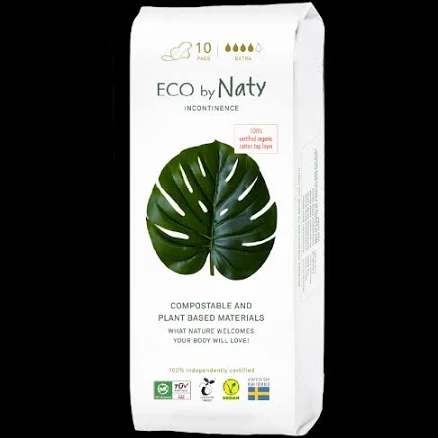
Eco By Naty
Incontinence Pads
- Bamboo-derived viscose, cotton, plant-based absorbent core
- We found no PFAS statement from the brand
- Heavy metals
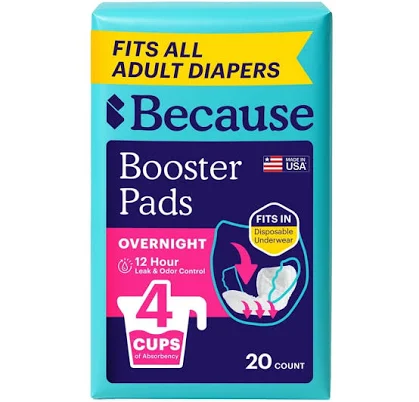
Because Market
Because Booster Pads
- Cellulose, superabsorbent polymer, cotton blend
- We found no PFAS statement from the brand
- Absorbent material degradation and bacterial growth
2 hazards checked on this product. See all of them.
5pcs Bamboo Charcoal Washable Incontinence Pads
- bamboo charcoal textile, washable cotton-blend absorbent layer
- We found no PFAS statement from the brand
- Azo dyes and synthetic colorants
4 hazards checked on this product. See all of them.
More incontinence pads & protection grades
How we score, every product runs through the same public 0-100 rubric based on materials, coatings, brand disclosure, lab findings, and recalls. See the full methodology → Spotted a mistake? Report an error.