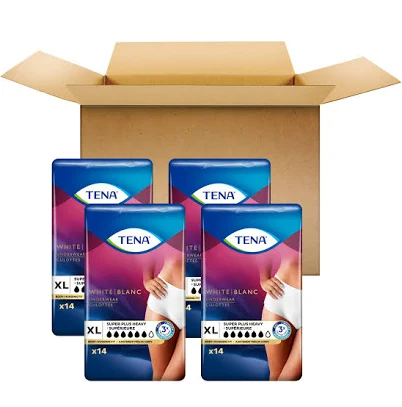
Tena · Incontinence Pads & Protection
Tena Women Super Plus Underwear
Incontinence product with waterproof backing. PFAS status unclear from public sources.
Tena Super Plus uses waterproof backing typical of incontinence underwear, but the company doesn't publicly disclose PFAS presence or absence. No independent lab testing or certifications appear in public records.
The better-graded swap
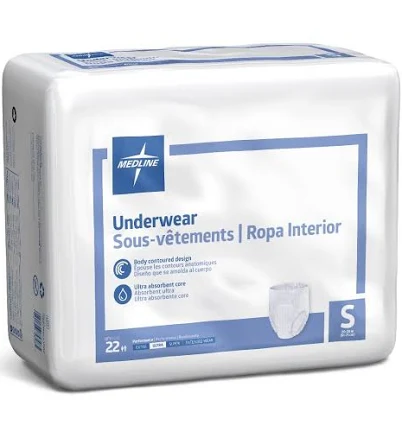
Protection Plus
Protection Plus Classic Adult Underwear,Small Bag of 22
70/100 safety
Same rubric that flunked this product. The swap earned Good.
Still want this one anyway? Check the price on Amazon. We’d swap it.
Material
absorbent core with waterproof backing layer, unspecified
Brand disclosure
Brand is silent on PFAS
Lab data
No public lab test
What Tena Women Super Plus Underwear is made of, ingredients and materials
Tena Women Super Plus uses an absorbent core (typically wood pulp and superabsorbent polymer SAP) with an unspecified waterproof backing layer. The backing is the critical unknown, waterproof layers in incontinence products commonly rely on polyurethane film or polyethylene, but some manufacturers use aqueous or solvent-based coatings that may contain PFAS or other chemical residues. Tena does not publicly disclose backing chemistry or PFAS testing for this product, making full assessment difficult.
What’s concerning
Category baseline
The starting point for this type of product, before anything specific to this product is counted.
No PFAS disclosure
No public statement from the brand about PFAS in this product.
Waterproof / stain-resistant treatment
Water-repellent coating treatments have historically used PFAS.
PFAS
Waterproof layer chemistry is undisclosed. Many incontinence product backings historically used PFOA-containing coatings or aqueous PFAS-based sealants; no Tena-specific testing or phase-out statement is publicly available.
Source, ATSDR ↗Polymer coating degradation and leachables
Polyurethane or polyethylene backing can degrade over time with moisture, temperature, and friction, potentially releasing oligomers or plasticizers. Risk increases with storage time and heat exposure before use.
Skin irritation from occlusion and residual chemicals
Incontinence pads create a moist, anaerobic environment; irritant contact dermatitis and bacterial overgrowth are common complaints. Residual chemical residues or dyes in the absorbent layer can compound skin sensitivity, particularly with extended wear.
What’s reassuring
Azo dyes or color additives in absorbent layers
Tena does not publicly disclose dye chemistry or testing for restricted azo dyes; however, incontinence products typically use minimal colorants. No specific incidents linked to Tena have been reported.
Formaldehyde / VOCs
Formaldehyde-releasing adhesives are rare in modern incontinence pad construction, but some budget brands use urea-formaldehyde binders. Tena's mid-to-premium positioning suggests lower risk, but not independently verified.
Source, ATSDR ↗The full breakdown
The brand's record and disclosure
Tena (Essity AB, Sweden) is a major incontinence brand with ISO 13485 certification for medical devices in some markets, but does not publicly commit to PFAS phase-out or disclose chemical screening results for consumer products. No major recalls specific to chemical leaching have been reported for Tena incontinence underwear. However, the company's silence on PFAS and waterproofing chemistry is a transparency gap that limits independent safety assessment.
How it compares in its category
Incontinence product safety varies widely by backing method. Products using polypropylene film backing tend to have lower PFAS risk than those using traditional Teflon-family coating or aqueous polyurethane coatings. Tena Super Plus sits in the mid-to-premium market; comparable brands (Depends, Poise, Always Discreet) rarely disclose backing chemistry either, making meaningful comparison difficult. Few incontinence products on consumer shelves are independently tested or certified for PFAS absence.
If you buy it
Change pads regularly (every 2-4 hours or when saturated) to minimize skin contact duration with any residual coating chemicals or breakdown products. Do not expose unused pads to direct heat or prolonged sunlight, as this may accelerate polymer degradation. Store in a cool, dry place away from humidity. If skin irritation, rash, or odor develops, switch products and consult a healthcare provider; incontinence-related dermatitis can indicate chemical sensitivity or bacterial overgrowth from occlusion.
What we don’t know
- Basis
- Model estimate, 45% confidence, not a lab result
- Lab test
- None on record for this exact product
- Brand statement
- Tena has made none
Formulations change between production runs, so check the current label. How we grade.
Better-graded alternatives in Incontinence Pads & Protection
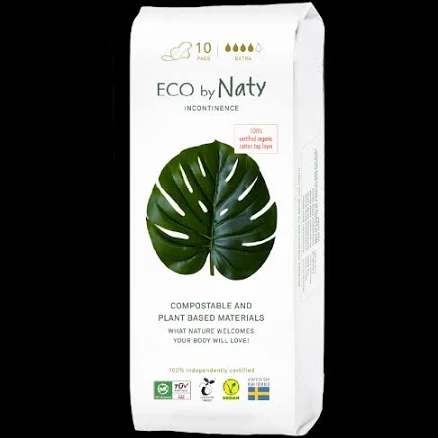
Eco By Naty
Incontinence Pads
- Bamboo-derived viscose, cotton, plant-based absorbent core
- We found no PFAS statement from the brand
- Heavy metals
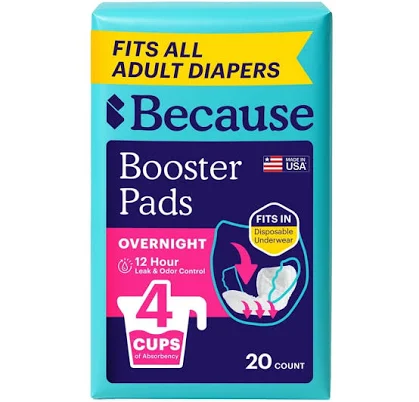
Because Market
Because Booster Pads
- Cellulose, superabsorbent polymer, cotton blend
- We found no PFAS statement from the brand
- Absorbent material degradation and bacterial growth
2 hazards checked on this product. See all of them.
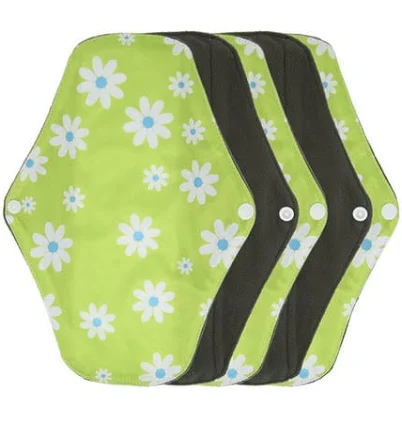
5pcs Bamboo Charcoal Washable Incontinence Pads
- bamboo charcoal textile, washable cotton-blend absorbent layer
- We found no PFAS statement from the brand
- Azo dyes and synthetic colorants
4 hazards checked on this product. See all of them.
More incontinence pads & protection grades
How we score, every product runs through the same public 0-100 rubric based on materials, coatings, brand disclosure, lab findings, and recalls. See the full methodology → Spotted a mistake? Report an error.