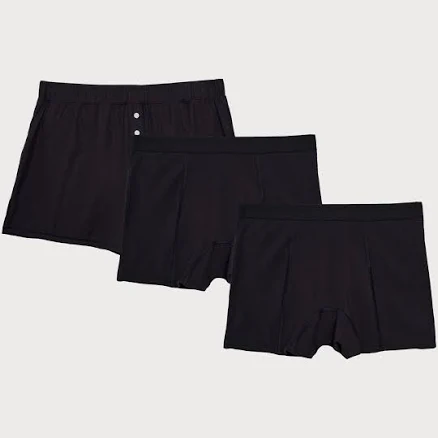
Thinx Cotton Overnight Set Period Underwear
Skip until Thinx discloses waterproofing agent; period underwear often uses PFAS-based water-repellent coating.
Cotton with an undisclosed waterproof membrane creates uncertainty. Period underwear brands frequently use PFAS-based water-resistant treatments.
The better-graded swap
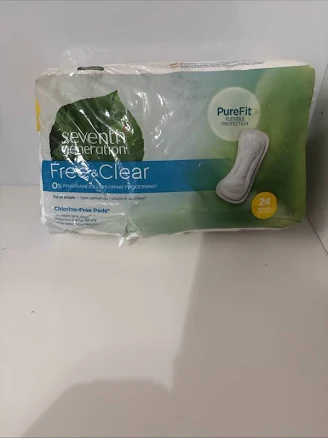
Seventh Generation
Seventh Generation Chlorine Free Maxi Pads
100/100 safety
Same rubric that flunked this product. The swap earned Excellent.
Still want this one anyway? Check the price on Amazon. We’d swap it.
Material
Cotton with water-resistant membrane/lining layer (composition unspecified)
Lab data
No public lab test
You may also be interested in
Top-graded picks in the categories readers replace first, every one scored on the same rubric.

- polypropylene filter housing, carbon/sediment cartridge
- We found no PFAS statement from the brand
- Bacterial growth in spent cartridges
3 hazards checked on this product, all on its full breakdown.

Aquasure
Premier Series 75 GPD Under Sink Reverse Osmosis Water Filtration System
- RO membrane, carbon filters, stainless steel housing
- We found no PFAS statement from the brand
- Bacterial and microbial growth in housing and filters
4 hazards checked on this product, all on its full breakdown.

Avocado
Vegan Mattress
- organic cotton, natural latex, coconut coir, recycled steel coils
- The brand calls it PFAS-free, which we have not verified
- Heavy metals
2 hazards checked on this product, all on its full breakdown.
What Thinx Cotton Overnight Period Underwear is made of, ingredients and materials
Thinx Overnight uses organic cotton for the absorbent layer paired with an unspecified water-resistant membrane lining. The membrane's chemical composition is not publicly disclosed by the brand, which is the core safety gap, period underwear waterproofing almost universally relies on either PFAS-based water-repellent coating (water-repellent coating) coatings or polyurethane laminates. Without transparency, you cannot know which technology protects the absorbency. Organic cotton itself carries minimal toxicity risk but only if the membrane avoids legacy hazards.
What’s concerning
Category baseline
The starting point for this type of product, before anything specific to this product is counted.
No PFAS disclosure
No public statement from the brand about PFAS in this product.
Waterproof / stain-resistant treatment
Water-repellent coating treatments have historically used PFAS.
PFAS
The membrane composition is not publicly identified. Period underwear waterproofing typically relies on PFAS coatings or polyurethane; Thinx's silence and lack of PFAS-free certification make PFAS-based water-repellent coating the most probable material. Leaching risk increases with heat, improper washing, and membrane wear over time.
Source, ATSDR ↗Formaldehyde / VOCs
Textiles sometimes use formaldehyde-releasing resins for durable finishes or wrinkle resistance. Thinx does not disclose use or absence of these treatments. Organic cotton reduces but does not eliminate the possibility if finishing steps are not certified.
Source, ATSDR ↗Membrane degradation and microplastic shedding
If the waterproof layer is a synthetic polymer (polyurethane or Teflon-type coating-based), repeated washing and heat exposure can cause coating flaking or microplastic release. No data on Thinx durability under realistic use; care instructions not transparent about replacement intervals.
Allergic contact dermatitis from undisclosed additives
Waterproof membranes, adhesives, and dyes can trigger reactions in sensitive users. Without ingredient disclosure, patch testing or elimination is the only way to identify a culprit; Thinx does not publish allergen warnings or contact protocol.
What’s reassuring
Heavy metals
No specific evidence of azo dyes or heavy metal contaminants in Thinx products; however, the lack of third-party testing (e.g., Oeko-Tex certification) means potential risks are not independently verified against dye safety standards.
Source, FDA ↗How is this PFAS grade calculated?
The brand's record and disclosure
Thinx has not published ingredient lists, material certifications (such as Oeko-Tex), or waterproofing agent disclosures despite repeated industry movement toward transparency on PFAS. The company does not appear on public PFAS-free certification registries and has remained silent when competitors began adopting PFAS-free alternatives or formal statements of avoidance. This silence is a disclosure failure, not proof of PFAS use, but it reflects a pattern of opaqueness on the exact hazard most relevant to period underwear.
How it compares in its category
Most period underwear brands either disclose PFAS-free status (Knix, Aisle, Ruby Love) or are third-party tested and certified (Oeko-Tex Standard 100). Thinx occupies a middle ground, it markets as sustainable and organic in the cotton layer but refuses to clarify the membrane, which is where chemical risk concentrates. This makes it harder to compare fairly than brands offering test reports or PFAS pledges.
If you buy it
Wash in cold water and avoid heat (dryer, hot water) to minimize any potential leaching from the membrane and extend coating life. Replace every 12-18 months or if you notice water pooling or odor that suggests membrane degradation. Do not boil or bleach, as these can compromise sealing. If you are pregnant, nursing, or concerned about PFAS exposure (especially legacy PFOA/PFOS), the lack of disclosure makes this a higher-risk choice than alternatives with certifications.
What is not known about PFAS in this product?
- Basis
- Model estimate, 45% confidence, not a lab result
- Lab test
- None on record for this exact product
- Brand statement
- Thinx has made a specific claim
Formulations change between production runs, so check the current label. How we grade.
What are the PFAS-free alternatives to Thinx Cotton Overnight Set Period Underwear?
- organic cotton, wood pulp
- The brand calls it PFAS-free, which we have not verified
- Fragrance allergen content
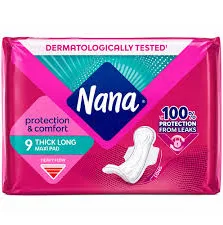
- cellulose, cotton blend, absorbent core
- We found no PFAS statement from the brand
- Bleach residues and processing chemicals in cellulose
3 hazards checked on this product, all on its full breakdown.
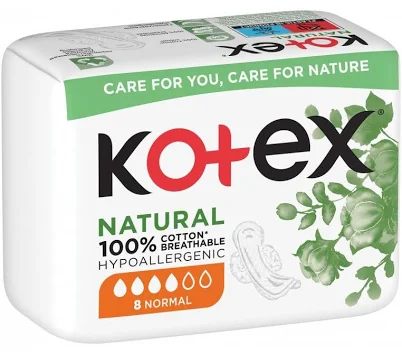
- Cotton, wood pulp absorbent core, plastic backing
- Pesticide residue
2 hazards checked on this product, all on its full breakdown.
More period pads grades
How we score, every product runs through the same public 0-100 rubric based on materials, coatings, brand disclosure, lab findings, and recalls. See the full methodology → Spotted a mistake? Report an error.