Tranquility · Incontinence Pads & Protection
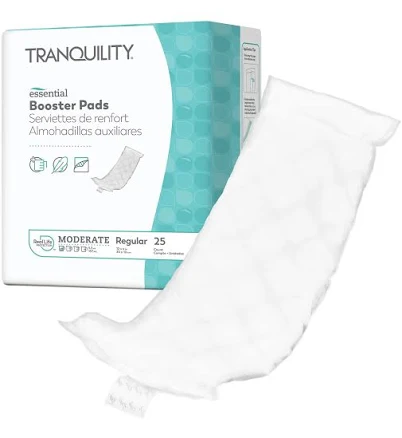
PBE Pack Tranquility Essential Booster Pad
Skip until Tranquility discloses waterproof backing chemistry, PFAS risk unknown.
Period pads typically use synthetic polymers with waterproof backings that may contain PFAS water-repellent coatings, though major brands increasingly avoid them. Tranquility makes no public PFAS disclosure or water-repellent coating chemistry statement.
The better-graded swap
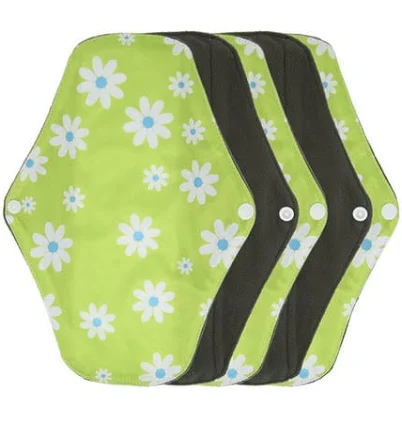
5pcs Bamboo Charcoal Washable Incontinence Pads
70/100 safety
Same rubric that flunked this product. The swap earned Good.
Still want this one anyway? Check the price on Amazon. We’d swap it.
Material
absorbent core, synthetic top sheet, waterproof backing (unspecified polymer)
Brand disclosure
Brand is silent on PFAS
Lab data
No public lab test
What PBE Pack Tranquility Essential Booster Pad is made of, ingredients and materials
The Tranquility Essential Booster Pad combines an absorbent core (likely cellulose and superabsorbent polymer), a synthetic top sheet (typically polypropylene or polyethylene), and an unspecified waterproof backing layer. The backing is the critical unknown, it could be polyethylene, polyurethane, or a plastic film treated with water-repellent chemicals (potentially PFAS-based). Since the backing never contacts skin for extended periods and the pad is disposed of after use, migration risk is lower than for reusable cookware, but the manufacturing chemistry remains opaque.
What’s concerning
Category baseline
The starting point for this type of product, before anything specific to this product is counted.
No PFAS disclosure
No public statement from the brand about PFAS in this product.
Waterproof / stain-resistant treatment
Water-repellent coating treatments have historically used PFAS.
PFAS
The unspecified waterproof polymer backing may contain fluorinated compounds to achieve water repellency. Tranquility's silence on this chemistry prevents assessment; given industry prevalence of PFAS in such applications, risk cannot be ruled out despite single-use disposal reducing exposure window.
Source, ATSDR ↗Microplastics
Polypropylene and polyethylene top sheets and backings can degrade with moisture and friction, shedding particles during use. Incontinence pad users are typically immobilized or have reduced mobility, prolonging pad-to-skin contact and particle shedding relative to other synthetic garments. Clinical significance is unknown.
Source, EPA ↗Bacterial or fungal growth from prolonged wetness
Any incontinence pad that is not changed promptly creates a warm, moist environment favoring skin colonization and infection. This is a use-condition risk, not a chemical hazard in the product itself, but it is the most common clinical consequence of booster pad failure or overconfidence in absorbency.
What’s reassuring
Superabsorbent polymer (SAP) sensitization
The absorbent core almost certainly contains sodium polyacrylate (SAP), a standard ingredient in diapers and pads. No established skin sensitization has been reported for SAP itself in well-designed pads, and it is regulated by FDA. Risk arises only if core degrades and powder escapes through the top sheet.
Adhesive or glue residues
Booster pads typically use adhesive tabs or backing strips to secure them to underwear or primary protection. No specific toxicological data for adhesives in Tranquility pads is publicly available. Industry standards assume minimal migration, but formulation is not disclosed.
The full breakdown
The brand's record and disclosure
Tranquility (owned by Essity) does not publicly disclose the polymer type or chemical additives in the waterproof backing of this product. The brand has not published statements on PFAS avoidance or testing for incontinence products. No independent certifications (such as Cradle to Cradle, Oeko-Tex, or similar) are listed for this line. This silence on waterproof chemistry is unusual given industry awareness of PFAS concerns in absorbent hygiene products.
How it compares in its category
Most incontinence pads use polyethylene or polyurethane backings; a subset use PFAS-treated films for superior water repellency. Competitors like Depend and Tena do not explicitly disclose backing chemistry either, making this a category-wide weakness rather than a Tranquility-specific failure. Booster pads (designed for supplemental absorbency in pull-ups or diapers) typically contact skin less directly than primary incontinence pants, which slightly lowers exposure concern. The absence of transparency from Tranquility is not exceptional, but it blocks informed choice.
If you buy it
Store in a cool, dry place away from moisture to prevent degradation of the waterproof layer, which could compromise absorbency over time. Use as a supplement (not sole protection) as intended; discard immediately after soiling to prevent bacterial overgrowth and odor. If skin irritation develops, discontinue and switch brands (irritation may signal coating breakdown or sensitivity to synthetic materials, not acute toxicity). Consider requesting Tranquility's product safety data sheet (SDS) or contacting customer service to ask about backing polymer type and PFAS testing; pressure for disclosure may drive industry change.
What we don’t know
- Basis
- Model estimate, 45% confidence, not a lab result
- Lab test
- None on record for this exact product
- Brand statement
- Tranquility has made none
Formulations change between production runs, so check the current label. How we grade.
Better-graded alternatives in Incontinence Pads & Protection
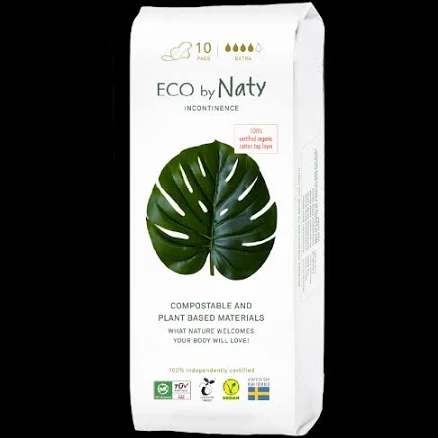
Eco By Naty
Incontinence Pads
- Bamboo-derived viscose, cotton, plant-based absorbent core
- We found no PFAS statement from the brand
- Heavy metals
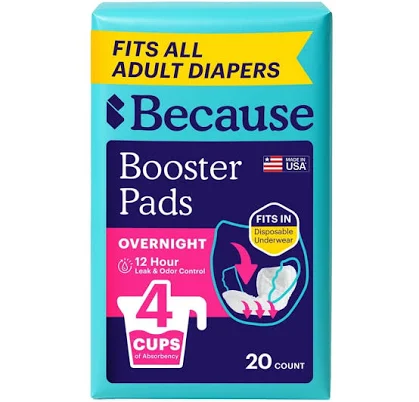
Because Market
Because Booster Pads
- Cellulose, superabsorbent polymer, cotton blend
- We found no PFAS statement from the brand
- Absorbent material degradation and bacterial growth
2 hazards checked on this product. See all of them.
5pcs Bamboo Charcoal Washable Incontinence Pads
- bamboo charcoal textile, washable cotton-blend absorbent layer
- We found no PFAS statement from the brand
- Azo dyes and synthetic colorants
4 hazards checked on this product. See all of them.
More incontinence pads & protection grades
How we score, every product runs through the same public 0-100 rubric based on materials, coatings, brand disclosure, lab findings, and recalls. See the full methodology → Spotted a mistake? Report an error.