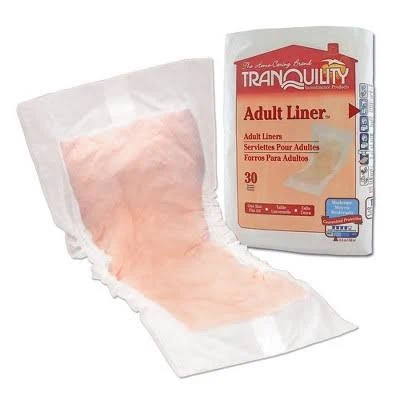
Tranquility · Incontinence Pads & Protection
Principle Business Enterprises Tranquility Bladder Control Pad
Incontinence pads typically use water-repellent coating-treated backings; ask Principle Business Enterprises directly.
Tranquility bladder control pads are engineered for waterproofing, a typical PFAS-coating use case, but the brand has no public material disclosure or PFAS position. No third-party testing or certification is visible.
The better-graded swap
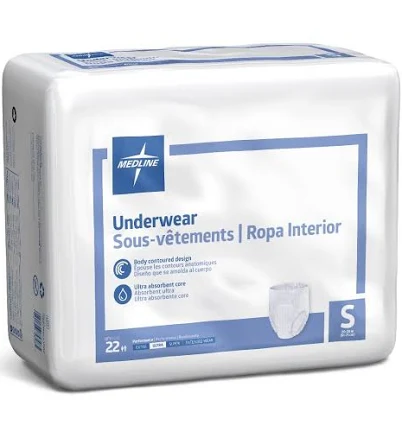
Protection Plus
Protection Plus Classic Adult Underwear,Small Bag of 22
70/100 safety
Same rubric that flunked this product. The swap earned Good.
Still want this one anyway? Check the price on Amazon. We’d swap it.
Material
Absorbent core, polymer layers, waterproof backing (unspecified)
Brand disclosure
Brand is silent on PFAS
Lab data
No public lab test
What Principle Business Enterprises is made of, ingredients and materials
Tranquility pads use an absorbent core (likely superabsorbent polymer and cellulose), polymer layers for fluid handling, and a waterproof backing of unspecified composition. The backing is the critical unknown, incontinence pads commonly rely on PFAS-based water-repellent coating (water-repellent coating) coatings or polyurethane film to prevent leakage, and these can migrate into skin contact over hours of wear. Principle Business Enterprises has not publicly disclosed their backing chemistry, leaving the PFAS risk unquantified.
What’s concerning
Category baseline
The starting point for this type of product, before anything specific to this product is counted.
No PFAS disclosure
No public statement from the brand about PFAS in this product.
Waterproof / stain-resistant treatment
Water-repellent coating treatments have historically used PFAS.
PFAS
Incontinence pad backings almost universally use PFAS-based water-repellent coating or Teflon-family coating films; Principle Business Enterprises has not disclosed their formula. Chronic skin contact with PFAS across millions of pad-wearings poses systemic absorption risk, though direct quantification is absent.
Source, ATSDR ↗Superabsorbent polymer (SAP) integrity and leachables
SAP cores can shed microparticles and oligomers if backing degrades; no recalls or adverse event reports specific to Tranquility are on record, but degradation over extended storage or high heat may increase particulate migration to skin.
Contact dermatitis from adhesives or polymer additives
Incontinence pads use adhesives and skin-contact polymers that may contain unreacted monomers, plasticizers, or biocides; Tranquility does not disclose these. Individual sensitivity varies, but no widespread outbreak of adverse events linked to this brand is documented.
Bacterial growth if pad moisture is not changed frequently
This is a user-practice hazard rather than a product defect, prolonged wetness creates conditions for urinary tract and skin infections. The product itself does not introduce bacteria, but extended wear intervals increase risk.
Absence of material transparency and certifications
Principle Business Enterprises does not publish chemical composition, safety certifications, or PFAS statements for Tranquility; this is a documented industry-wide gap that prevents informed consent and hampers post-market safety monitoring.
The full breakdown
The brand's record and disclosure
Principle Business Enterprises (parent of Tranquility) maintains a largely silent posture on PFAS and chemical composition of their incontinence products. No public certifications (Oeko-Tex, GOTS, etc.) are associated with this product line, and the company has not published material safety data sheets for consumer consultation. This lack of transparency is typical among incontinence pad manufacturers but leaves users unable to make informed choices about chronic skin exposure.
How it compares in its category
Tranquility is a mass-market mid-tier brand; competitors like Always Discreet and store generics share the same opacity about PFAS use. Premium or eco-focused alternatives (e.g., some cloth-backed or options without known PFAS-linked materials exist but are rarer and pricier. Most incontinence pads in this category carry undisclosed PFAS risk, making this product representative of the problem rather than uniquely hazardous.
If you buy it
Change pads regularly (at least every 4-6 hours) to minimize prolonged skin contact with any potential leachables. Rinse skin promptly after removal and allow air-drying. Do not wash and reuse; these are single-use items and degradation of backing material increases leakage and skin irritation risk. If you experience persistent rash, itching, or sensitization, discontinue and contact your healthcare provider; consider requesting the company's full material composition list before resuming.
What we don’t know
- Basis
- Model estimate, 45% confidence, not a lab result
- Lab test
- None on record for this exact product
- Brand statement
- Tranquility has made none
Formulations change between production runs, so check the current label. How we grade.
Better-graded alternatives in Incontinence Pads & Protection
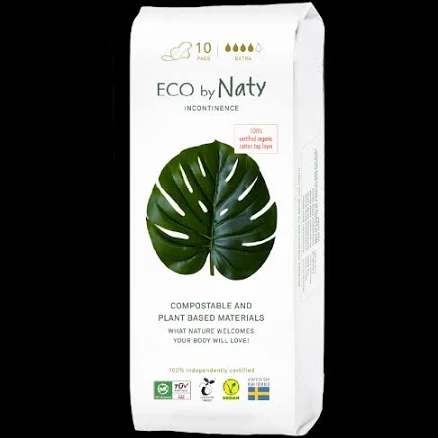
Eco By Naty
Incontinence Pads
- Bamboo-derived viscose, cotton, plant-based absorbent core
- We found no PFAS statement from the brand
- Heavy metals
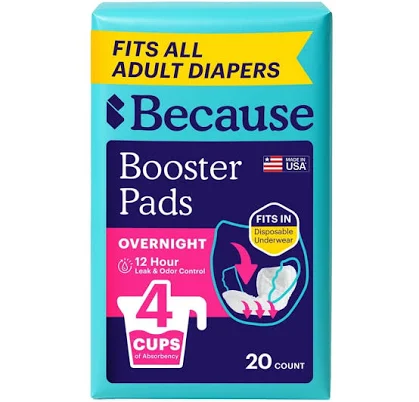
Because Market
Because Booster Pads
- Cellulose, superabsorbent polymer, cotton blend
- We found no PFAS statement from the brand
- Absorbent material degradation and bacterial growth
2 hazards checked on this product. See all of them.
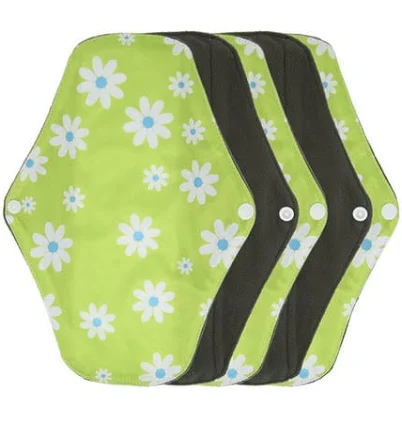
5pcs Bamboo Charcoal Washable Incontinence Pads
- bamboo charcoal textile, washable cotton-blend absorbent layer
- We found no PFAS statement from the brand
- Azo dyes and synthetic colorants
4 hazards checked on this product. See all of them.
More incontinence pads & protection grades
How we score, every product runs through the same public 0-100 rubric based on materials, coatings, brand disclosure, lab findings, and recalls. See the full methodology → Spotted a mistake? Report an error.