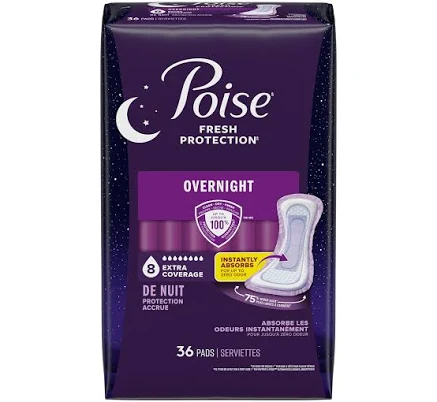
Poise · Incontinence Pads & Protection
Poise Overnight Incontinence Pads
Avoid until Wellness discloses backing materials or obtains verification.
Poise Overnight pads require waterproof backing likely treated with water and stain repellents. Wellness provides no material disclosure or PFAS claims; no third-party testing available.
The better-graded swap
Adult Bamboo Booster Pads
70/100 safety
Same rubric that flunked this product. The swap earned Good.
Still want this one anyway? Check the price on Amazon. We’d swap it.
Material
absorbent core with waterproof backing layer, composition unspecified
Brand disclosure
Brand is silent on PFAS
Lab data
No public lab test
What Poise Overnight Incontinence Pads is made of, ingredients and materials
Poise Overnight pads use an absorbent core (typically wood pulp and superabsorbent polymers like sodium polyacrylate) with a waterproof backing layer of unspecified material. The backing layer is the critical unknown, modern incontinence pads often use polyethylene or polypropylene films, and some manufacturers add PFAS-based water repellents to achieve durability. Wellness has not publicly disclosed the backing composition or whether PFAS treatment is used, making full safety assessment impossible.
What’s concerning
Category baseline
The starting point for this type of product, before anything specific to this product is counted.
No PFAS disclosure
No public statement from the brand about PFAS in this product.
Waterproof / stain-resistant treatment
Water-repellent coating treatments have historically used PFAS.
Waterproof backing material composition (undisclosed)
The backing layer is not publicly detailed by Wellness. If polyethylene or polypropylene, risk is low; if treated with fluorochemical water repellents, PFAS exposure is likely. Extended overnight contact with skin elevates any chemical migration risk.
Microplastic shedding from degraded backing
Polyethylene or polypropylene backings can fragment over time or if exposed to heat, releasing microplastics. No recalls on record for Poise specifically, but incontinence pads are worn against permeable skin barrier for hours, increasing potential ingestion or absorption pathways.
What’s reassuring
Superabsorbent polymer (sodium polyacrylate) skin contact
Sodium polyacrylate is not classified as a primary skin irritant in published safety data, but direct contact with wet granules can cause drying and minor irritation in sensitive skin. Risk is minimal if pads are used correctly and changed promptly.
Adhesive or tackifier chemical exposure
No specific chemical composition disclosed for adhesives used in Poise pads. Standard incontinence pad adhesives are generally low-risk, but lack of transparency prevents independent verification.
Formaldehyde / VOCs
Incontinence pads do not typically use formaldehyde-releasing resins as the core is engineered for liquid absorption, not dye fixation. Risk is not established in this product category, but confirmation from manufacturer would be reassuring.
Source, ATSDR ↗The full breakdown
The brand's record and disclosure
Wellness (owned by Kimberly-Clark) does not maintain a publicly visible PFAS disclosure policy specific to incontinence products, unlike some competitors who have committed to PFAS phase-out timelines. The brand has not faced major safety recalls for Poise incontinence pads related to chemical hazards, but absence of disclosure is not absence of risk. Comparable absorbent hygiene brands (Tena, Always) have begun transparency initiatives; Wellness lags in this category.
How it compares in its category
Incontinence pad safety depends heavily on backing material transparency. Products from brands like Tena (SCA) and some store-label alternatives have begun phasing PFAS or committing to testing; Wellness has made no public commitments. Overnight pads carry higher risk than daytime pads due to extended skin contact and higher fluid saturation, amplifying the importance of backing material safety.
If you buy it
Use pads only as intended and replace them as soon as saturated to minimize skin contact time. Do not expose pads to heat (washing machines, dryers) as this may degrade the backing and release microplastics or trapped chemicals. If skin irritation develops, discontinue and switch to a verified lower-chemical alternative. Store in a cool, dry place and check expiration dates, as aged pads may have degraded polymer integrity.
What we don’t know
- Basis
- Model estimate, 35% confidence, not a lab result
- Lab test
- None on record for this exact product
- Brand statement
- Poise has made none
Formulations change between production runs, so check the current label. How we grade.
Better-graded alternatives in Incontinence Pads & Protection
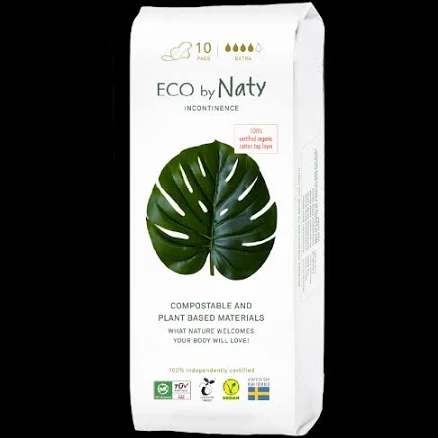
Eco By Naty
Incontinence Pads
- Bamboo-derived viscose, cotton, plant-based absorbent core
- We found no PFAS statement from the brand
- Heavy metals
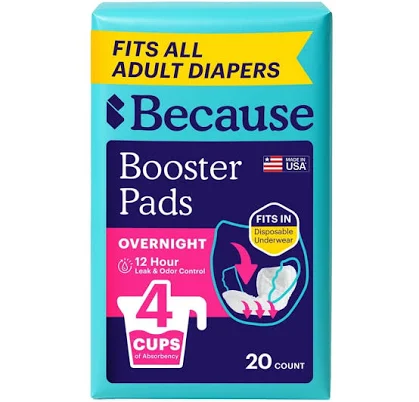
Because Market
Because Booster Pads
- Cellulose, superabsorbent polymer, cotton blend
- We found no PFAS statement from the brand
- Absorbent material degradation and bacterial growth
2 hazards checked on this product. See all of them.
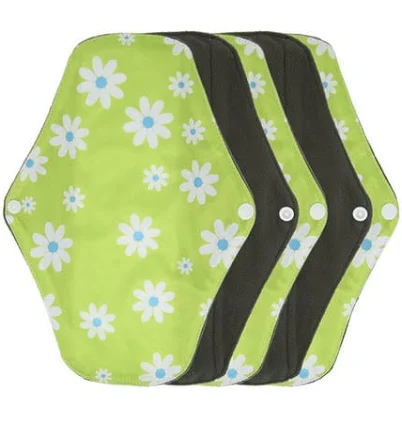
5pcs Bamboo Charcoal Washable Incontinence Pads
- bamboo charcoal textile, washable cotton-blend absorbent layer
- We found no PFAS statement from the brand
- Azo dyes and synthetic colorants
4 hazards checked on this product. See all of them.
More incontinence pads & protection grades
How we score, every product runs through the same public 0-100 rubric based on materials, coatings, brand disclosure, lab findings, and recalls. See the full methodology → Spotted a mistake? Report an error.