World Centric · Food Packaging
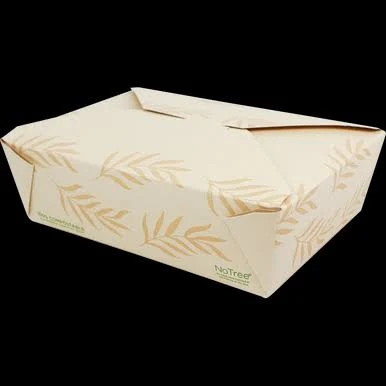
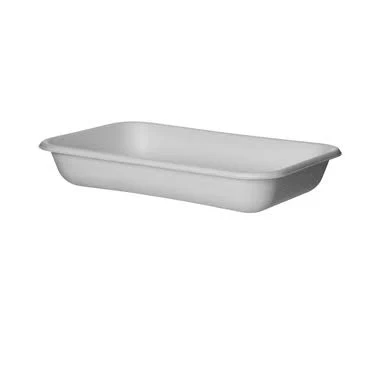
World Centric No Tree Folded Takeout Containers
Avoid until the manufacturer discloses coating chemistry or provides PFAS-free certification.
These bagasse containers use plant-based fiber but apply a water-resistant coating to handle greasy foods, where PFAS is commonly used. The brand provides no coating disclosure, PFAS testing, or verification.
The better-graded swap
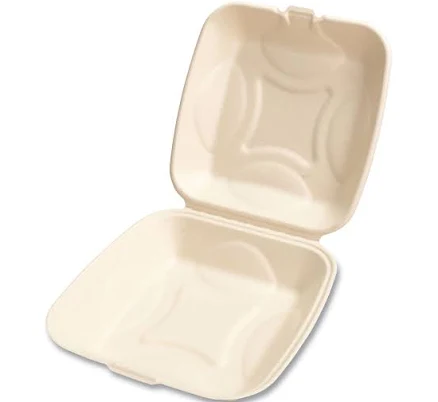
Bagasse
Bagasse PFAS-Free Food Containers
95/100 safety
Same rubric that flunked this product. The swap earned Excellent.
Still want this one anyway? Check the price on Amazon. We’d swap it.
Material
Bagasse (plant fiber) with unspecified water-resistant coating
Brand disclosure
Brand is silent on PFAS
Lab data
No public lab test
You may also be interested in
Top-graded picks in the categories readers replace first, every one scored on the same rubric.

- polypropylene filter housing, carbon/sediment cartridge
- We found no PFAS statement from the brand
- Bacterial growth in spent cartridges
3 hazards checked on this product, all on its full breakdown.

Aquasure
Premier Series 75 GPD Under Sink Reverse Osmosis Water Filtration System
- RO membrane, carbon filters, stainless steel housing
- We found no PFAS statement from the brand
- Bacterial and microbial growth in housing and filters
4 hazards checked on this product, all on its full breakdown.

Avocado
Vegan Mattress
- organic cotton, natural latex, coconut coir, recycled steel coils
- The brand calls it PFAS-free, which we have not verified
- Heavy metals
2 hazards checked on this product, all on its full breakdown.
What World Centric No Tree Folded Containers is made of, ingredients and materials
World Centric's No Tree containers are molded from bagasse, the fibrous residue left after sugarcane processing. Bagasse is compostable and avoids virgin plastics, making it inherently lower-risk for BPA/BPS leaching. However, bagasse is porous and absorbs moisture, so manufacturers apply water-resistant coatings to prevent grease and liquid penetration. World Centric does not publicly disclose what coating chemistry they use on these containers, which is the critical safety gap.
What’s concerning
Category baseline
The starting point for this type of product, before anything specific to this product is counted.
No PFAS disclosure
No public statement from the brand about PFAS in this product.
Waterproof / stain-resistant treatment
Water-repellent coating treatments have historically used PFAS.
Water-resistant coating chemistry (unspecified)
Bagasse naturally requires a water barrier to function as a takeout container. World Centric has not disclosed whether this coating is PFAS-based, fluorine-free wax, or another chemistry. Given industry prevalence of fluorinated coatings in bagasse products, risk cannot be ruled out.
Coating degradation and microparticle release
Repeated contact with hot or acidic foods can degrade any applied water barrier, potentially releasing microparticles or exposing uncoated bagasse fibers. World Centric does not specify reusability or degradation timelines, and these are single-use items.
What’s reassuring
Formaldehyde / VOCs
Bagasse processing typically involves fewer bleaching steps than virgin kraft pulp, reducing formaldehyde and chlorine dioxin risk. No recalls or test failures are on record for World Centric bagasse containers in this regard.
Source, ATSDR ↗Microbial contamination during storage or shipping
Bagasse's porous structure can harbor bacteria if containers are stored damp. However, World Centric containers ship dry and are intended for single use only, reducing practical risk compared to reusable containers.
Heavy metals
No recalls or test data are publicly available linking World Centric bagasse containers to lead, cadmium, or other heavy metal contamination. Bagasse itself is a plant fiber with low inherent metal uptake.
Source, FDA ↗How is this PFAS grade calculated?
The brand's record and disclosure
World Centric markets itself as an eco-conscious, sustainable brand and does hold certifications for compostability (BPI and TUV Austria). However, the company has not published ingredient lists, coating specifications, or PFAS test results for its takeout containers. This silence on coating chemistry is notable in an industry where leading competitors (notably some European bagasse producers) increasingly market PFAS-free alternatives. World Centric's lack of transparency on this issue is a red flag rather than evidence of safety.
How it compares in its category
Bagasse containers sit between plastic clamshells and coated paper. Unlike polystyrene or PET plastic, bagasse does not leach BPA or phthalates. Unlike molded fiber (kraft pulp), bagasse requires less bleaching and has lower formaldehyde risk. However, without knowing the water-resistant coating, this product cannot be confidently ranked above coated-paper alternatives that do disclose PFAS-free coatings. Peer brands (Notocup, some Vegware lines) now offer PFAS-free bagasse or paper at similar price points.
If you buy it
Use these containers for dry or ambient-temperature takeout only; avoid hot foods above 50 C (122 F) to minimize any potential coating migration. Do not microwave or heat the containers. These are intended for single use; do not reuse for food storage. Given the unknown coating, treat these as temporary food contact only and replace with a brand offering PFAS-free certification if you use takeout containers regularly. Compost after single use as intended rather than reusing.
What is not known about PFAS in this product?
- Basis
- Model estimate, 42% confidence, not a lab result
- Lab test
- None on record for this exact product
- Brand statement
- World Centric has made none
Formulations change between production runs, so check the current label. How we grade.
What are the PFAS-free alternatives to World Centric No Tree Folded Takeout Containers?
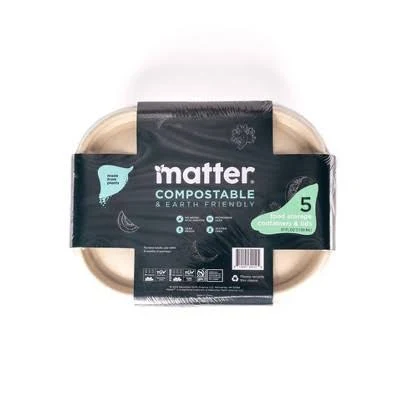
- Plant-based fiber pulp (compostable)
- A third party reports verifying it as PFAS-free
- Microbe/mold growth if stored damp
2 hazards checked on this product, all on its full breakdown.
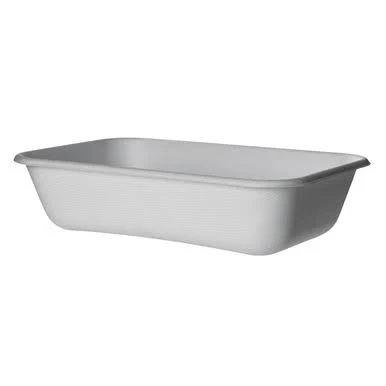
Eco-Products
Eco Products WorldView Compostable Take-Out Containers EP-SCRC32
- Plant-based fiber (compostable sugarcane bagasse)
- A third party reports verifying it as PFAS-free
- Bleaching agents and processing residues
3 hazards checked on this product, all on its full breakdown.
Eco-Products
WorldView Sugarcane Take-Out Containers
- Sugarcane bagasse (post-consumer fiber)
- A third party reports verifying it as PFAS-free
- Cellulose fiber degradation and food contact
2 hazards checked on this product, all on its full breakdown.
More food packaging grades
How we score, every product runs through the same public 0-100 rubric based on materials, coatings, brand disclosure, lab findings, and recalls. See the full methodology → Spotted a mistake? Report an error.