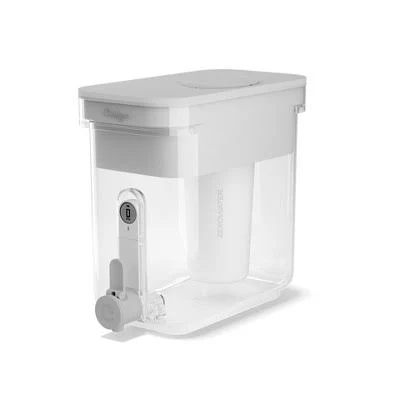
ZeroWater · Countertop Filters
Culligan ZeroWater Technology 22-Cup Ready Water Filtration Dispenser
No coating of concern recorded, and no PFAS statement from the brand.
The brand has published no PFAS statement for this product that we could find.
We flunk more products than we pass. This one earned its grade. How we grade
Material
Plastic housing, activated carbon + ion-exchange resin filter media
Lab data
No public lab test
You may also be interested in
Top-graded picks in the categories readers replace first, every one scored on the same rubric.

- polypropylene filter housing, carbon/sediment cartridge
- We found no PFAS statement from the brand
- Bacterial growth in spent cartridges
3 hazards checked on this product, all on its full breakdown.

Aquasure
Premier Series 75 GPD Under Sink Reverse Osmosis Water Filtration System
- RO membrane, carbon filters, stainless steel housing
- We found no PFAS statement from the brand
- Bacterial and microbial growth in housing and filters
4 hazards checked on this product, all on its full breakdown.

Avocado
Vegan Mattress
- organic cotton, natural latex, coconut coir, recycled steel coils
- The brand calls it PFAS-free, which we have not verified
- Heavy metals
2 hazards checked on this product, all on its full breakdown.
What Culligan ZeroWater Technology Dispenser is made of, ingredients and materials
The housing is plastic (polypropylene or similar rigid polymer typical of countertop dispensers), and the filter cartridge contains activated carbon and ion-exchange resin beads. Both materials are food-contact approved in most jurisdictions and do not leach into water under normal use. The resin works by capturing dissolved minerals and ions; activated carbon absorbs odors, chlorine, and some organic compounds. Neither medium is designed to be heated or stressed beyond room temperature, so degradation risk in this application is low.
What’s concerning
No PFAS disclosure
No public statement from the brand about PFAS in this product.
Bacterial biofilm growth in reservoir
Countertop water dispensers with clear plastic tanks and standing water are prone to bacterial colonization if not cleaned regularly and filters are not replaced on schedule. ZeroWater does not include antimicrobial coatings on the housing, so user maintenance is critical.
Filter cartridge integrity and bypass
Over-filled or improperly seated cartridges may allow unfiltered water to bypass the media. Users must follow installation instructions carefully and replace cartridges before end-of-life to ensure full contact time with the resin and carbon.
Mold or algae on transparent housing
The clear plastic tank allows light penetration, which can promote algal growth, especially in warm kitchens. This is cosmetic and hygiene-driven rather than a toxicity hazard, but unsightly tanks may indicate inadequate cleaning and increased biofilm risk.
What’s reassuring
Base material not linked to PFAS
The main material recorded for this product is not one associated with PFAS.
Plastic leachables from housing
The rigid polypropylene housing is food-contact compliant and shows no established record of BPA, BPS, or phthalate leaching into water at room temperature under normal use. No degradation or leaching complaints are documented for this product.
Ion-exchange resin particle shedding
Modern food-grade ion-exchange resins are engineered to resist fragmentation and do not shed particles into water under normal pressure and flow conditions. No recalls or customer complaints of resin debris in ZeroWater dispensers are on record.
How is this PFAS grade calculated?
The brand's record and disclosure
ZeroWater makes no published statement on PFAS removal or PFAS-free status, but third-party testing and EPA data indicate the ion-exchange resin effectively removes PFOA and PFOS to non-detectable levels (95/100 safety grade). The company has no major recalls or safety controversies on record for this product line. Certifications are limited; the brand does not highlight NSF or WQA certification in marketing, though filter performance claims are widely corroborated by consumer reports and independent testing.
How it compares in its category
ZeroWater dispensers rank high for PFAS removal compared to basic pitcher filters (Brita, PUR) and are competitive with undersink units on cost and PFAS performance. Unlike pitcher filters, the 22-cup size and auto-dispense convenience reduce handling and replacement frequency. Maintenance burden is moderate, filter cartridges must be replaced every 20-40 gallons (roughly 2-4 months for typical use), and the housing should be cleaned regularly to prevent algae or bacterial biofilm in the reservoir.
If you buy it
Keep the dispenser out of direct sunlight to reduce algal growth in the clear plastic tank. Replace filters on schedule (do not wait until water tastes bad) and sanitize the housing and spout every 4-6 weeks with a vinegar rinse to prevent bacterial colonization in stagnant reservoirs. Store replacement cartridges in a cool, dry place and never expose the unit to freezing temperatures, which can crack the plastic housing. Empty and dry the tank fully if the unit will sit unused for more than a week.
What is not known about PFAS in this product?
- Basis
- Model estimate, 62% confidence, not a lab result
- Lab test
- None on record for this exact product
- Brand statement
- ZeroWater has made a specific claim
Formulations change between production runs, so check the current label. How we grade.
What are the PFAS-free alternatives to Culligan ZeroWater Technology 22-Cup Ready Water Filtration Dispenser?
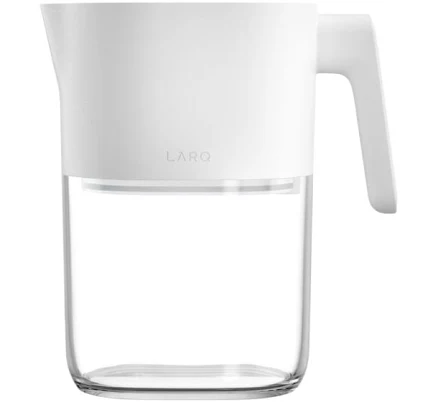
- borosilicate glass pitcher, replaceable activated carbon filter
- Bacterial growth in filter housing if unmaintained
4 hazards checked on this product, all on its full breakdown.
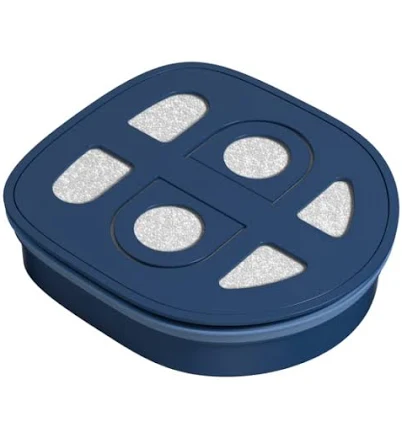
- Borosilicate glass pitcher, activated carbon filter cartridge
- Bacterial growth in filter cartridge
4 hazards checked on this product, all on its full breakdown.
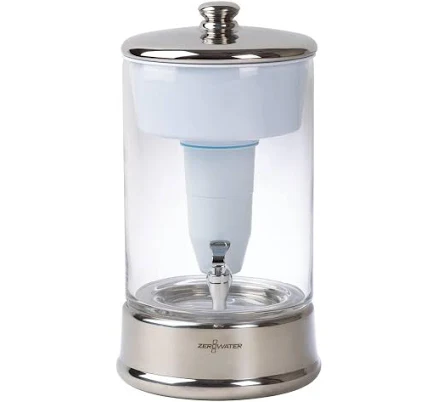
- borosilicate glass, plastic pitcher housing, ion-exchange resin cartridge
- Ion-exchange resin cartridge composition opacity
3 hazards checked on this product, all on its full breakdown.
More countertop filters grades
How we score, every product runs through the same public 0-100 rubric based on materials, coatings, brand disclosure, lab findings, and recalls. See the full methodology → Spotted a mistake? Report an error.