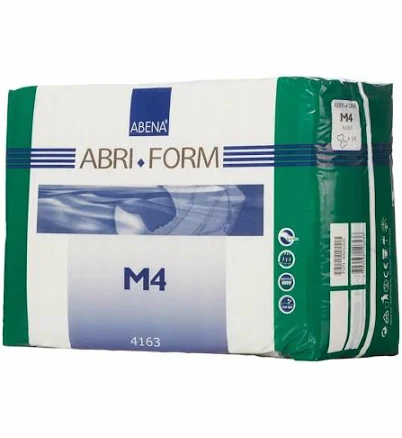
Abri-Form · Incontinence Pads & Protection
Abena Abri-Form Comfort
Waterproof coating composition undisclosed by brand.
Abena does not publicly state its PFAS position or describe the waterproof layer chemistry. Incontinence pads typically incorporate water-resistant treatments of varying composition without third-party verification.
The better-graded swap
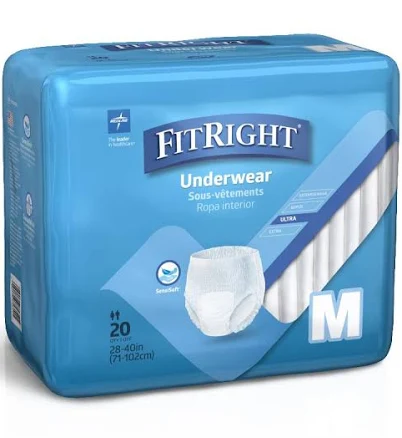
Protection Plus
Protection Plus Classic Underwear Medium Fits 28" to 40" waist -Bag of 20
70/100 safety
Same rubric that flunked this product. The swap earned Good.
Still want this one anyway? Check the price on Amazon. We’d swap it.
Material
Absorbent core with waterproof back layer, coating unspecified
Brand disclosure
Brand is silent on PFAS
Lab data
No public lab test
What Abena Abri-Form Comfort is made of, ingredients and materials
Abri-Form Comfort uses a cellulose-based absorbent core typical of period and incontinence products, paired with a synthetic waterproof backing layer. The brand does not publicly specify whether the waterproof layer uses Teflon-type coating (Teflon), polyurethane, or another polymer. This opacity is significant because waterproof coatings in intimate-contact products can leach chemical additives or degradation byproducts, especially under warm, moist conditions typical of skin contact.
What’s concerning
Category baseline
The starting point for this type of product, before anything specific to this product is counted.
No PFAS disclosure
No public statement from the brand about PFAS in this product.
Waterproof / stain-resistant treatment
Water-repellent coating treatments have historically used PFAS.
Waterproof coating composition (unspecified)
Abena does not publicly disclose whether the backing layer contains Teflon-type coating, fluorinated polymers, polyurethane, or other synthetics. Prolonged skin contact with unspecified polymer coatings carries possible risk of additive leaching, especially in warm, moist environments.
Skin sensitizers or fragrance allergens
Abri-Form Comfort line may include fragrance or antimicrobial additives to reduce odor; if present, these are not itemized on packaging. Fragrance and essential oil additives are known irritants for some users with sensitive skin, particularly in intimate-contact applications.
Absorbent core microbial growth if stored damp
Cellulose absorbent cores are hygroscopic and can harbor bacteria or mold if stored in humid conditions before use. This is a use and storage issue rather than a manufacturing defect, but users should keep packages sealed and dry.
Coating degradation over shelf life
Synthetic polymer coatings can become brittle or develop microfractures over time, especially if exposed to heat or UV light. Degraded waterproof layers may allow moisture penetration and increase leaching of coating additives into contact with skin.
What’s reassuring
Formaldehyde / VOCs
No public recalls or reports of formaldehyde contamination in Abri-Form products. Cellulose-based absorbent cores are not inherently formaldehyde sources, but some manufacturers use formaldehyde-releasing resins in fiber bonding; Abena has not disclosed their binder chemistry.
Source, ATSDR ↗The full breakdown
The brand's record and disclosure
Abena (Swedish manufacturer, established) does not publish detailed material safety datasheets or ingredient breakdowns for Abri-Form on consumer-facing channels. The brand has not made public commitments regarding PFAS avoidance or third-party testing of coatings. No major recalls or contamination incidents are documented in public safety databases, but the silence on coating chemistry is a known weakness shared by many period-care manufacturers.
How it compares in its category
Period and incontinence products rarely disclose full coating chemistry; Abri-Form is typical in this regard. Competitors like Tena and Poise follow similar opacity patterns. Products specifically marketed as PFAS-free (e.g., some organic or EU-certified brands) are rarer and often command price premiums. Abri-Form's lack of differentiation on chemical safety leaves it in the middle of an opaque market.
If you buy it
Store in cool, dry conditions away from direct heat or sunlight to minimize polymer degradation and leaching. Do not reuse or rinse for reuse; these products are single-use only and breakdown under washing can compromise waterproofing integrity. Replace immediately if outer layer feels sticky, degraded, or emits chemical odors. If skin irritation develops, discontinue use and consult a dermatologist; irritation may signal coating leachates or microbial overgrowth in the absorbent core.
What we don’t know
- Basis
- Model estimate, 35% confidence, not a lab result
- Lab test
- None on record for this exact product
- Brand statement
- Abri-Form has made none
Formulations change between production runs, so check the current label. How we grade.
Better-graded alternatives in Incontinence Pads & Protection
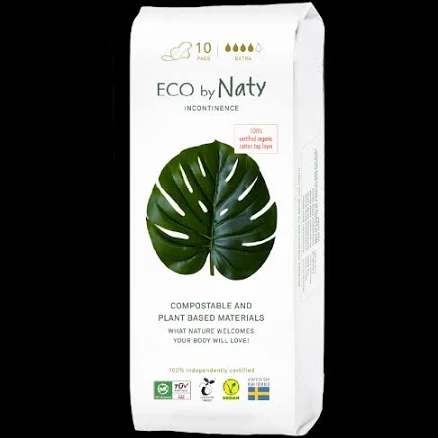
Eco By Naty
Incontinence Pads
- Bamboo-derived viscose, cotton, plant-based absorbent core
- We found no PFAS statement from the brand
- Heavy metals
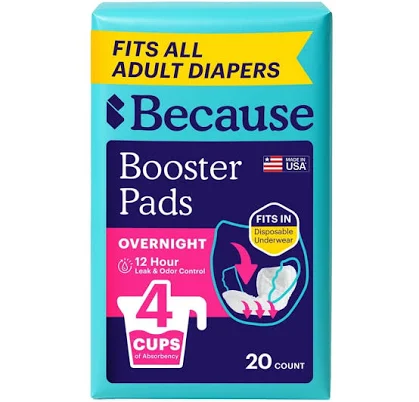
Because Market
Because Booster Pads
- Cellulose, superabsorbent polymer, cotton blend
- We found no PFAS statement from the brand
- Absorbent material degradation and bacterial growth
2 hazards checked on this product. See all of them.
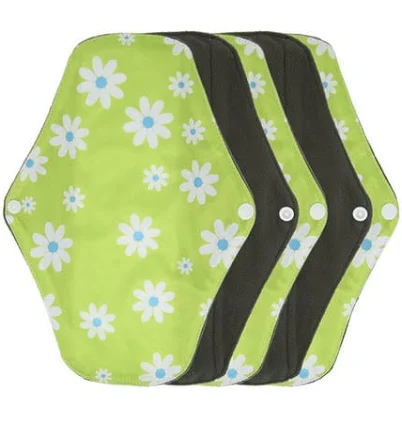
5pcs Bamboo Charcoal Washable Incontinence Pads
- bamboo charcoal textile, washable cotton-blend absorbent layer
- We found no PFAS statement from the brand
- Azo dyes and synthetic colorants
4 hazards checked on this product. See all of them.
More incontinence pads & protection grades
How we score, every product runs through the same public 0-100 rubric based on materials, coatings, brand disclosure, lab findings, and recalls. See the full methodology → Spotted a mistake? Report an error.