Abri-Form · Incontinence Pads & Protection
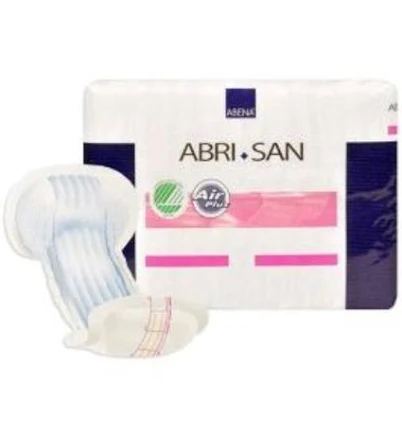
Abena Abri-San Premium Incontinence Pads
Incontinence pads likely contain water-resistant coatings, brand silent on PFAS.
Abri-San Premium pads use synthetic polymers and waterproof finishes standard in absorbent hygiene, which commonly employ PFAS. No public PFAS certification or disclosure exists from Abena.
The better-graded swap
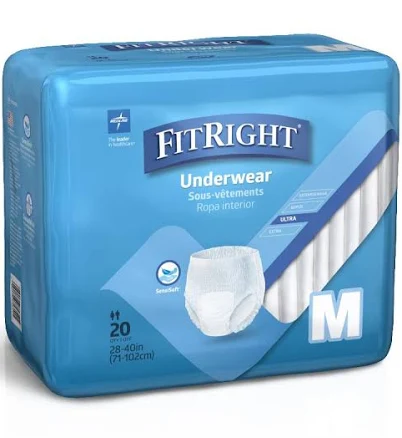
Protection Plus
Protection Plus Classic Underwear Medium Fits 28" to 40" waist -Bag of 20
70/100 safety
Same rubric that flunked this product. The swap earned Good.
Still want this one anyway? Check the price on Amazon. We’d swap it.
Material
Cellulose core with synthetic absorbent polymers and unknown waterproof/moisture-barrier coating
Brand disclosure
Brand is silent on PFAS
Lab data
No public lab test
What Abena Abri-San Premium Incontinence Pads is made of, ingredients and materials
Abri-San Premium uses a cellulose pulp core combined with synthetic superabsorbent polymers (SAP, typically sodium polyacrylate) and an undisclosed waterproof backing layer. The SAP is thermally and chemically stable under normal use; cellulose is inert. The critical unknown is the moisture-barrier coating, which in most incontinence pads relies on polyethylene, polypropylene, or polyurethane films, and some formulations incorporate water-repellent additives that may include PFAS compounds. Without Abri-Form's material specification, the coating composition cannot be independently verified.
What’s concerning
Category baseline
The starting point for this type of product, before anything specific to this product is counted.
No PFAS disclosure
No public statement from the brand about PFAS in this product.
Waterproof / stain-resistant treatment
Water-repellent coating treatments have historically used PFAS.
Superabsorbent polymer (SAP) dermal irritation
Sodium polyacrylate in the core is chemically stable and designed for direct contact; irritation is rare but can occur with prolonged skin contact, especially if pad is not changed frequently or in people with sensitive skin. No recalls for Abri-San Premium on this basis are documented.
Waterproof backing coating leachables
The unidentified moisture-barrier layer (likely polyethylene or polyurethane film) may contain residual monomers, plasticizers, or processing aids. Risk of skin leaching is low during normal use (short wear duration, non-occlusive contact), but prolonged skin contact in warm/humid conditions could marginally increase leaching potential.
Skin sensitization from undisclosed additives
Incontinence pads may contain surfactants, antimicrobials, or odor-control agents not labeled on consumer packaging. Abri-Form does not disclose additives; individual sensitivity is idiosyncratic. If rash or itching occurs, switch to hypoallergenic alternatives and patch-test on intact skin first.
Microplastics
Cellulose cores shed fibers; synthetic films can fragment if pads are stored in heat or mechanically stressed. Shed microfibers are not absorbed dermally but can contaminate wound sites or sensitive areas if pad integrity fails. Inspect pads before use for visible fragmentation.
Source, EPA ↗PFAS
Abri-Form's silence on PFAS and industry reliance on fluorochemical water-repellents make PFAS presence in the moisture barrier probable, though unconfirmed. This is the highest-priority unknown for this product and warrants direct manufacturer inquiry.
Source, ATSDR ↗The full breakdown
The brand's record and disclosure
Abri-Form (a Swedish SCA subsidiary) does not publicly disclose PFAS content or commitment to PFAS-free formulations on their product pages or corporate statements reviewed in open sources. The brand has not initiated third-party testing or certification (e.g. No major recalls or safety violations are on record for Abri-San Premium specifically. The silence on PFAS is consistent with the broader incontinence-pad industry, where few brands have made public commitments.
How it compares in its category
Most premium incontinence pads (Depends, Tena, Lille, Abri-Form) use similar cellulose-SAP-film architectures with undisclosed coatings; Abri-San sits in the mid-to-premium tier by absorption performance. No incontinence-pad manufacturers have widely published PFAS-free certifications, making direct comparison difficult. Some brands (e.g., Seventh Generation in diapers) have pursued PFAS reduction, but comparable claims are rare in adult incontinence. Abri-San's lack of disclosure is typical, not exceptional, for this market.
If you buy it
Store pads in a cool, dry place away from heat sources; do not microwave or expose to flame. Change pads regularly (every 3-4 hours or when soiled) to prevent skin maceration and bacterial overgrowth, especially in creases. Inspect skin contact areas for irritation; if rash develops, discontinue and consult a clinician, as SAP-core irritation is rare but possible. If PFAS exposure is a personal priority, contact Abri-Form directly requesting material composition and consider brands with explicit PFAS-reduction claims until Abri-Form responds.
What we don’t know
- Basis
- Model estimate, 45% confidence, not a lab result
- Lab test
- None on record for this exact product
- Brand statement
- Abri-Form has made none
Formulations change between production runs, so check the current label. How we grade.
Better-graded alternatives in Incontinence Pads & Protection
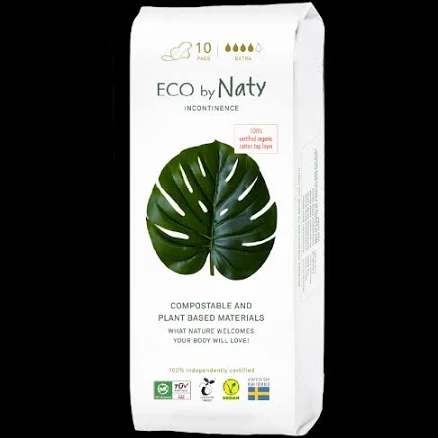
Eco By Naty
Incontinence Pads
- Bamboo-derived viscose, cotton, plant-based absorbent core
- We found no PFAS statement from the brand
- Heavy metals
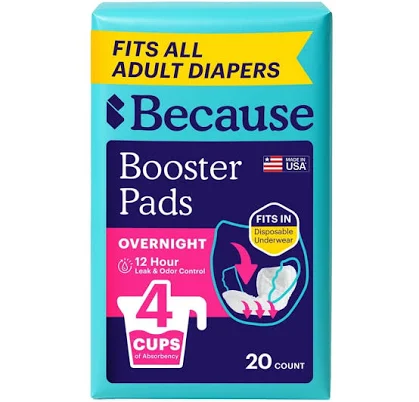
Because Market
Because Booster Pads
- Cellulose, superabsorbent polymer, cotton blend
- We found no PFAS statement from the brand
- Absorbent material degradation and bacterial growth
2 hazards checked on this product. See all of them.
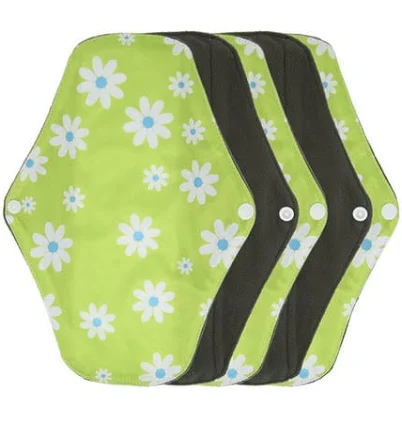
5pcs Bamboo Charcoal Washable Incontinence Pads
- bamboo charcoal textile, washable cotton-blend absorbent layer
- We found no PFAS statement from the brand
- Azo dyes and synthetic colorants
4 hazards checked on this product. See all of them.
More incontinence pads & protection grades
How we score, every product runs through the same public 0-100 rubric based on materials, coatings, brand disclosure, lab findings, and recalls. See the full methodology → Spotted a mistake? Report an error.