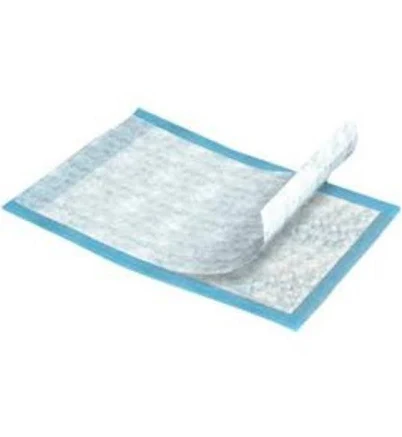
Tena · Incontinence Pads & Protection
Tena Air Flow Disposable Underpads SQ370_CA Disposable Underpads
Waterproof underpads likely contain PFAS-based water-repellent coating; not disclosed.
Tena's disposable underpads use waterproof coatings for fluid control, but the brand won't reveal the treatment used. Waterproofing source remains unknown and concerning.
The better-graded swap
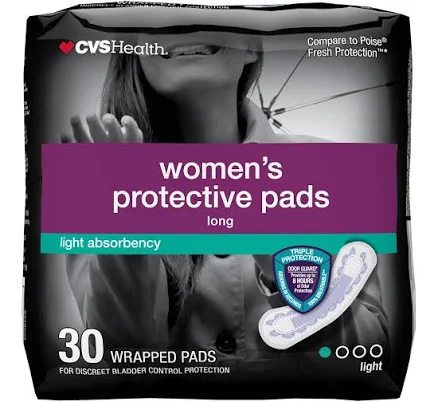
CVS Health
CVS Women's Protective Pads Moderate Absorbency
70/100 safety
Same rubric that flunked this product. The swap earned Good.
Still want this one anyway? Check the price on Amazon. We’d swap it.
Material
Cellulose core with polymer backing, waterproofing unspecified
Brand disclosure
Brand is silent on PFAS
Lab data
No public lab test
What Tena Air Flow Disposable Underpads is made of, ingredients and materials
Tena Air Flow underpads use a cellulose absorbent core paired with a polymer (plastic) backing layer. The waterproofing method is not specified on packaging or Aeroflow Health's public materials, which is the critical gap, waterproof textiles and medical absorbent products typically rely on fluorinated compounds (PFAS-based water-repellent coating or water-repellent coating treatments) or polyurethane coatings. Cellulose itself is not a material linked to PFAS; the risk centers on what the backing and waterproofing layer contain.
What’s concerning
Category baseline
The starting point for this type of product, before anything specific to this product is counted.
No PFAS disclosure
No public statement from the brand about PFAS in this product.
Waterproof / stain-resistant treatment
Water-repellent coating treatments have historically used PFAS.
PFAS
Waterproof disposable underpads almost always use fluorinated water-repellent coating or similar PFAS-containing treatments unless explicitly labeled otherwise. Tena provides no disclosure, and Aeroflow does not specify the waterproofing method, making PFAS presence probable but unconfirmed.
Source, ATSDR ↗Polymer backing leachables
The plastic backing layer (material type unspecified) could be polyethylene, polypropylene, or polyurethane. If polyurethane, off-gassing of volatile compounds or diisocyanate residues is possible under warm storage or use. No test data on record for this product.
Skin irritation from absorbent materials or adhesives
Cellulose core itself is low-risk, but if the product contains adhesive layers or synthetic superabsorbents (common in incontinence pads), contact dermatitis is possible in sensitive users. No specific complaints located for this Tena line.
What’s reassuring
Microplastic shedding
No evidence of microplastic release from Tena underpads during normal use. Polymer backing is typically intact and not designed to fragment. Risk only if pad is torn or degraded after extended exposure to moisture or heat.
Formaldehyde / VOCs
Disposable absorbent products in this category rarely contain formaldehyde resins. No public record of formaldehyde complaints or detections in Tena underpads.
Source, ATSDR ↗The full breakdown
The brand's record and disclosure
Aeroflow Health is a medical supply distributor, not the manufacturer of Tena products (owned by SCA/Essity, a Swedish hygiene company). Neither Aeroflow nor the Tena brand provides chemical disclosure statements or PFAS testing data for this underpad line in publicly available materials. SCA/Essity has not publicly disclosed commitments to eliminate PFAS from disposable absorbent products. This silence is notable given the category's known reliance on fluorinated waterproofing in competitors.
How it compares in its category
Disposable underpads (bed protectors, incontinence pads) are nearly universally waterproof, making PFAS exposure a category-wide issue unless explicitly stated otherwise. Tena is a major brand but offers no differentiation on chemical safety. Consumers seeking alternatives should look for brands (e.g., some store-label underpads, or reusable options) that explicitly state PFAS-free waterproofing, though these disclosures are rare in the disposable segment.
If you buy it
Store in a dry place away from heat; do not wash or attempt to reuse, as the backing may degrade and leach. Replace after each use as designed. If use is frequent or long-term (weeks/months), consider requesting chemical disclosure from Aeroflow or switching to a brand with transparent waterproofing claims. Keep out of reach of children and pets. No special disposal precautions beyond standard trash, though underpads are not recyclable.
What we don’t know
- Basis
- Model estimate, 45% confidence, not a lab result
- Lab test
- None on record for this exact product
- Brand statement
- Tena has made none
Formulations change between production runs, so check the current label. How we grade.
Better-graded alternatives in Incontinence Pads & Protection
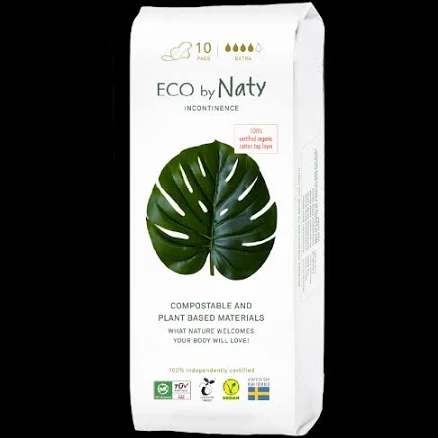
Eco By Naty
Incontinence Pads
- Bamboo-derived viscose, cotton, plant-based absorbent core
- We found no PFAS statement from the brand
- Heavy metals
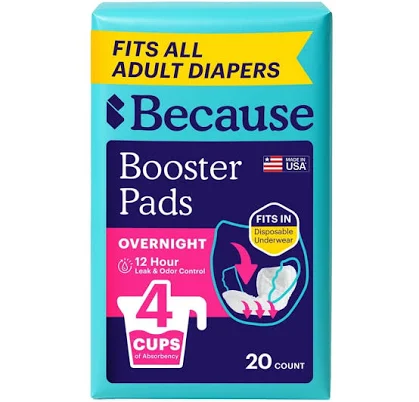
Because Market
Because Booster Pads
- Cellulose, superabsorbent polymer, cotton blend
- We found no PFAS statement from the brand
- Absorbent material degradation and bacterial growth
2 hazards checked on this product. See all of them.
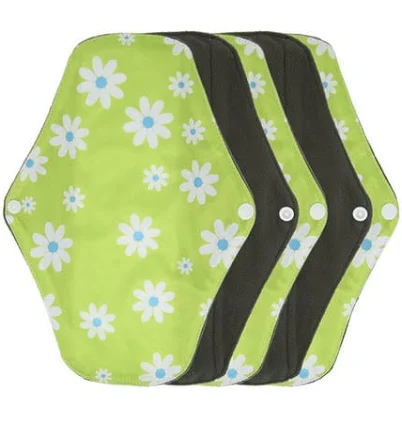
5pcs Bamboo Charcoal Washable Incontinence Pads
- bamboo charcoal textile, washable cotton-blend absorbent layer
- We found no PFAS statement from the brand
- Azo dyes and synthetic colorants
4 hazards checked on this product. See all of them.
More incontinence pads & protection grades
How we score, every product runs through the same public 0-100 rubric based on materials, coatings, brand disclosure, lab findings, and recalls. See the full methodology → Spotted a mistake? Report an error.