Tena · Incontinence Pads & Protection
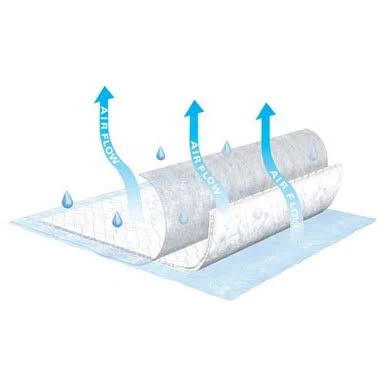
TENA Air Flow - Disposable Bed Pads Bag of 10
Wait for waterproof coating disclosure, as it is likely PFAS-treated.
TENA bed pads use a waterproof backing typical of absorbent medical products, which commonly employ PFAS-based water-repellent coating treatments. The brand provides no disclosure of coating chemistry or PFAS status.
The better-graded swap
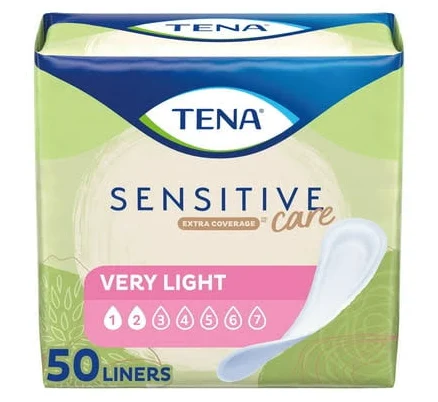
Tena
TENA Very Light
70/100 safety
Same rubric that flunked this product. The swap earned Good.
Still want this one anyway? Check the price on Amazon. We’d swap it.
Material
cellulose/polymer blend with moisture-barrier coating (unspecified)
Brand disclosure
Brand is silent on PFAS
Lab data
No public lab test
What TENA Air Flow - Disposable Bed Pads Bag is made of, ingredients and materials
TENA Air Flow pads are constructed from a cellulose and polymer blend with an unspecified moisture-barrier coating. The cellulose core is not a material linked to PFAS and is biodegradable, but the polymer layer and waterproof coating are the concern points. Moisture-barrier coatings on incontinence products are almost always treated with fluorinated compounds (PFAS) to achieve water repellency, though Aeroflow has not publicly disclosed this. The material itself does not leach heavy metals or known endocrine disruptors when used as intended on skin.
What’s concerning
Category baseline
The starting point for this type of product, before anything specific to this product is counted.
No PFAS disclosure
No public statement from the brand about PFAS in this product.
Waterproof / stain-resistant treatment
Water-repellent coating treatments have historically used PFAS.
PFAS
Unspecified moisture-barrier coating is presumed fluorinated based on industry standards for disposable incontinence pads. Aeroflow has not disclosed coating chemistry, PFAS-free alternatives, or migration testing.
Source, ATSDR ↗Skin irritation or contact sensitization from synthetic polymers or coating residues
Incontinence pads can cause irritation in users with sensitive skin or prolonged contact, especially if coating begins to break down or if adhesives (if present) contact skin directly. No specific allergic reactions have been reported for this brand.
Microplastics
Mechanical friction and moisture exposure over time can cause polymer layers to degrade and shed microfibers or particles. This is largely a concern for environmental disposal rather than acute user exposure, but inhalation risk is low in normal use.
Source, EPA ↗Lead
If the waterproof coating breaks down due to heat, moisture, or age, unmeasured additives (plasticizers, cross-linking agents, or coating stabilizers) could leach into contact areas. Migration testing has not been published for this product.
Source, ATSDR ↗What’s reassuring
Chlorine or processing residues from cellulose bleaching
Cellulose in incontinence pads is typically chlorine-bleached; however, finished products contain minimal residual chlorine or dioxins. No recalls or contamination reports exist for TENA products on this basis.
The full breakdown
The brand's record and disclosure
Aeroflow is a medical supply distributor and does not appear to have published detailed safety certifications, material transparency statements, or PFAS reduction commitments. The company has no established history of environmental or chemical disclosure controversies in public records, but also no proactive transparency. No recalls specific to chemical hazards have been identified for this product line. The silence on waterproof coating composition is a red flag in an industry where PFAS disclosure is increasingly expected.
How it compares in its category
Most disposable incontinence pads (Depend, Always Discreet, Tena, Northshore) rely on similar polymer-plus-waterproof-coating designs and face the same PFAS uncertainty. Certified organic or PFAS-free incontinence products remain extremely rare and expensive. TENA Air Flow's 'air flow' marketing suggests emphasis on breathability rather than heavy waterproofing, which may reduce coating thickness and thus PFAS exposure, but this is not independently verified. Competitors do not meaningfully differentiate on chemical transparency either.
If you buy it
Replace pads immediately after use and do not allow them to remain in direct contact with skin for extended periods, as any coating degradation or moisture breakthrough increases exposure risk. Store in a dry location away from heat or sunlight, which can accelerate polymer breakdown. Do not microwave, wash, or reuse pads. If skin irritation develops, discontinue and contact a healthcare provider to rule out allergic response to coating materials or synthetic fibers. Monitor product for visible wear, discoloration, or odors indicating material breakdown.
What we don’t know
- Basis
- Model estimate, 35% confidence, not a lab result
- Lab test
- None on record for this exact product
- Brand statement
- Tena has made none
Formulations change between production runs, so check the current label. How we grade.
Better-graded alternatives in Incontinence Pads & Protection
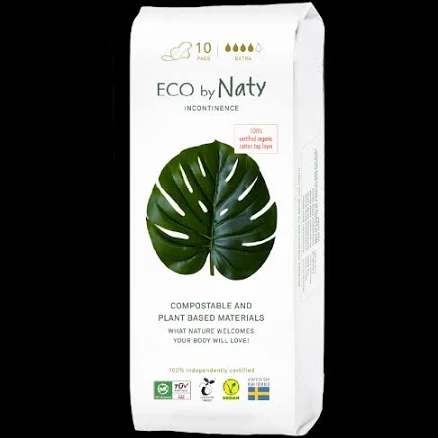
Eco By Naty
Incontinence Pads
- Bamboo-derived viscose, cotton, plant-based absorbent core
- We found no PFAS statement from the brand
- Heavy metals
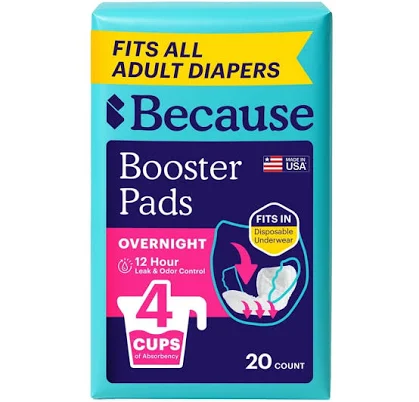
Because Market
Because Booster Pads
- Cellulose, superabsorbent polymer, cotton blend
- We found no PFAS statement from the brand
- Absorbent material degradation and bacterial growth
2 hazards checked on this product. See all of them.
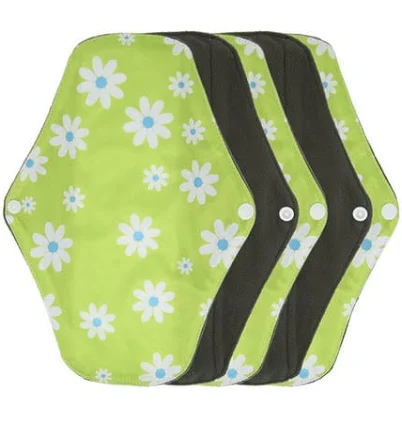
5pcs Bamboo Charcoal Washable Incontinence Pads
- bamboo charcoal textile, washable cotton-blend absorbent layer
- We found no PFAS statement from the brand
- Azo dyes and synthetic colorants
4 hazards checked on this product. See all of them.
More incontinence pads & protection grades
How we score, every product runs through the same public 0-100 rubric based on materials, coatings, brand disclosure, lab findings, and recalls. See the full methodology → Spotted a mistake? Report an error.