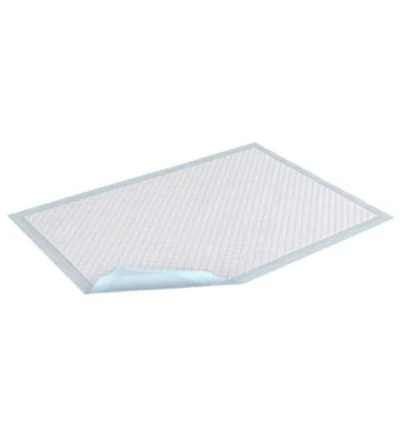
Tena · Incontinence Pads & Protection
TENA Air Flow Underpads - Heavy Absorbency
Wait for waterproof backing specification, as incontinence pads often use PFAS-based barriers.
TENA incontinence underpads require waterproof backing to function, but Aeroflow does not publicly disclose the coating chemistry. Incontinence and feminine care products are high-risk for PFAS-containing water-repellent treatments.
The better-graded swap
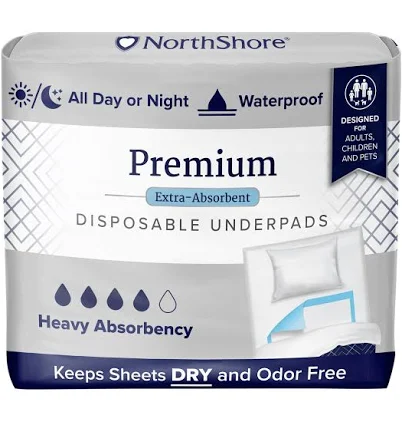
Northshore
NorthShore Premium 36
70/100 safety
Same rubric that flunked this product. The swap earned Good.
Still want this one anyway? Check the price on Amazon. We’d swap it.
Material
cellulose core with plastic/synthetic backing layers (waterproofing agent unspecified)
Brand disclosure
Brand is silent on PFAS
Lab data
No public lab test
What TENA Air Flow Underpads - Heavy Absorbency is made of, ingredients and materials
TENA Air Flow Underpads use a cellulose absorbent core (wood pulp, not a material linked to PFAS) layered with synthetic plastic backing for waterproofing. The specific waterproofing agent, whether PFAS-based (Teflon-type coating, PFOA-related compounds) or alternative polymers, is not disclosed by Aeroflow on the product label or standard spec sheets. Cellulose itself is inert; the hazard profile depends entirely on the plastic backing formulation and any adhesives or processing chemicals retained in the finished product.
What’s concerning
Category baseline
The starting point for this type of product, before anything specific to this product is counted.
No PFAS disclosure
No public statement from the brand about PFAS in this product.
Waterproof / stain-resistant treatment
Water-repellent coating treatments have historically used PFAS.
PFAS
Incontinence pad backings frequently use Teflon-type coating or PFAS-derived polymers for water resistance. Aeroflow does not specify; manufacturer SCA/Essity's standard formulations historically used fluorochemical barriers, though reformulation status is unknown. Direct skin contact over hours increases absorption risk if PFAS compounds are present.
Source, ATSDR ↗Plastic backing degradation and leaching under heat/moisture
Synthetic plastic backing may degrade or leach plasticizers (phthalates, BPA alternatives) or unreacted oligomers when exposed to urine, perspiration, or warm storage conditions. No lab data on this specific product is publicly available; risk is inferred from material class and use context.
What’s reassuring
Skin irritation from adhesives or processing residues
Incontinence pads typically use pressure-sensitive or hot-melt adhesives; TENA Air Flow has no reported dermatologic incidents, but formulation of glues and whether hypoallergenic testing was performed is not disclosed.
Microplastic or fiber shedding from plastic backing
Mechanical wear or degradation of the plastic layer could theoretically shed microparticles, but this is not a documented issue for TENA or comparable pads under normal use. No recall or complaint data exists.
Off-gassing of volatile organic compounds (VOCs) from manufacturing
New pads may emit low-level VOCs from plastic processing or adhesive curing; standard incontinence pads show lower concern for VOC issues, but no independent testing of this product line is publicly available.
The full breakdown
The brand's record and disclosure
Aeroflow (a distributor/rebrander, not manufacturer) provides no transparent chemical composition statements or third-party safety certifications (e.g., Oeko-Tex, GreenGuard) on this product line. No published recalls or safety controversies specific to TENA Air Flow Underpads are on record, but the brand's silent stance on waterproofing agents is a red flag in the incontinence-pad category, where PFAS use is common. Aeroflow does not publish a chemicals policy or commitment to phasing harmful substances.
How it compares in its category
Most incontinence pads (including competitors like Depend, Tranquility, Northshore) rely on plastic waterproof backings; few disclose PFAS status or offer PFAS-free alternatives at scale. Underpads are a higher-risk category than pull-ups because they remain in prolonged contact with skin and are often stored in warm, humid environments, which can accelerate any potential leaching. Premium brands (e.g., Aeroflow's own Select line, some European suppliers) occasionally specify non-PFAS barriers, but TENA Air Flow does not.
If you buy it
Store in a cool, dry place to minimize any potential plastic degradation or off-gassing. Replace pads immediately after soiling; prolonged contact with fluids can soften plastic backing and increase leaching risk. Request the product's Safety Data Sheet (SDS) and waterproofing-agent specification from Aeroflow or the actual manufacturer (SCA/Essity) before committing to bulk purchase. Consider alternatives with explicit PFAS-free waterproofing claims if skin sensitivity or long-term exposure is a concern.
What we don’t know
- Basis
- Model estimate, 42% confidence, not a lab result
- Lab test
- None on record for this exact product
- Brand statement
- Tena has made none
Formulations change between production runs, so check the current label. How we grade.
Better-graded alternatives in Incontinence Pads & Protection
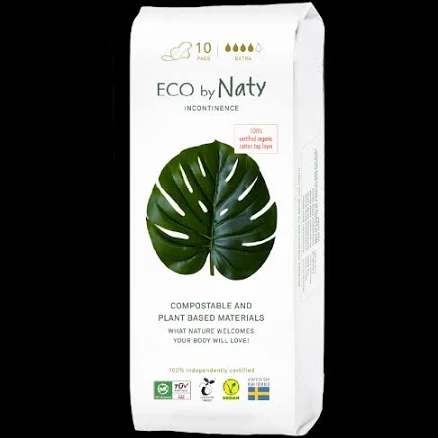
Eco By Naty
Incontinence Pads
- Bamboo-derived viscose, cotton, plant-based absorbent core
- We found no PFAS statement from the brand
- Heavy metals
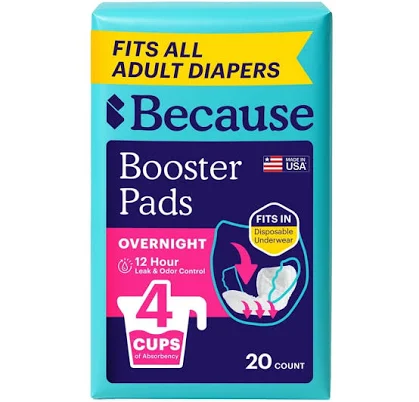
Because Market
Because Booster Pads
- Cellulose, superabsorbent polymer, cotton blend
- We found no PFAS statement from the brand
- Absorbent material degradation and bacterial growth
2 hazards checked on this product. See all of them.
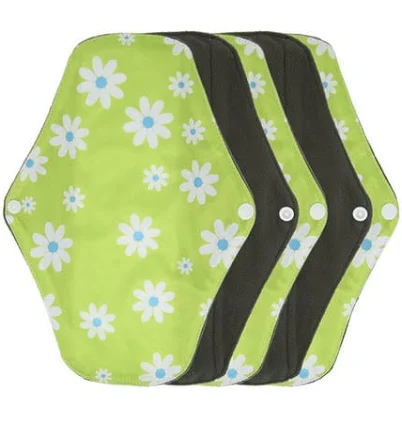
5pcs Bamboo Charcoal Washable Incontinence Pads
- bamboo charcoal textile, washable cotton-blend absorbent layer
- We found no PFAS statement from the brand
- Azo dyes and synthetic colorants
4 hazards checked on this product. See all of them.
More incontinence pads & protection grades
How we score, every product runs through the same public 0-100 rubric based on materials, coatings, brand disclosure, lab findings, and recalls. See the full methodology → Spotted a mistake? Report an error.