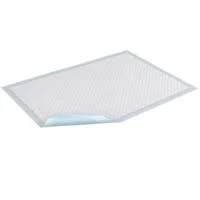
Tena · Incontinence Pads & Protection
TENA Air Flow Underpads, Package
Waterproof backing chemistry not stated, a material commonly treated with PFAS.
TENA Air Flow Underpads have a waterproof backing layer of unspecified polymer composition. The brand has no PFAS statement on record. Waterproof backings in incontinence products have historically used PFAS-based treatments, though the specific chemistry of this backing is not disclosed.
The better-graded swap
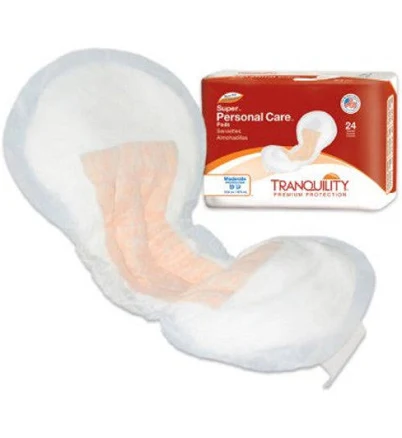
Tranquility
PBE Tranquility Personal Care Pads
70/100 safety
Same rubric that flunked this product. The swap earned Good.
Still want this one anyway? Check the price on Amazon. We’d swap it.
Material
Cellulose core with waterproof backing layer (unspecified polymer)
Brand disclosure
Brand is silent on PFAS
Lab data
No public lab test
What TENA Air Flow Underpads, Package is made of, ingredients and materials
TENA Air Flow Underpads use a cellulose absorbent core (wood pulp or similar) paired with a waterproof backing layer of unspecified polymer composition. The backing is the critical unknown, waterproof layers in incontinence products are historically treated with PFAS chemicals (perfluorinated compounds) to repel liquid, which migrate into skin contact or environment over time. Cellulose itself is not a material linked to PFAS; the risk profile depends entirely on what that backing polymer is and whether it contains PFAS or alternative treatments like polyethylene or polyurethane coatings.
What’s concerning
Category baseline
The starting point for this type of product, before anything specific to this product is counted.
No PFAS disclosure
No public statement from the brand about PFAS in this product.
Waterproof / stain-resistant treatment
Water-repellent coating treatments have historically used PFAS.
PFAS
Waterproof polymer backing composition is undisclosed; incontinence pads historically use PFAS-treated materials. No product-specific test data available; PFAS grade of 25/100 reflects this unknown risk.
Source, ATSDR ↗Polymer leaching from backing layer during use
Unspecified polymer backing in direct, prolonged contact with skin and moisture creates conditions for leaching of plasticizers or residual monomers. Risk level depends on polymer type and curing; no independent testing on record for this specific product.
Skin irritation or sensitization from coating degradation
Waterproof backings degrade with moisture and friction over several hours of wear. Degraded coatings may expose underlying polymers or release volatile compounds; individuals with sensitive skin may experience irritation, though this is typical for the category and not unique to TENA.
What’s reassuring
Bacterial growth or odor from retained moisture
TENA Air Flow design includes breathable channels intended to reduce trapped moisture, which is a category-standard feature. No specific recalls or documented infection risk for this product; proper replacement frequency mitigates this hazard.
Formaldehyde / VOCs
Cellulose core in modern incontinence pads is typically untreated for formaldehyde; adhesives between layers are minimal. No product-specific warnings or test reports available for TENA Air Flow.
Source, ATSDR ↗The full breakdown
The brand's record and disclosure
Aeroflow Health (the distributor of TENA products in the US) does not publicly disclose polymer composition or PFAS status on their product pages or safety documentation. SCA (Swedish parent company of TENA) has made limited public commitments on PFAS phase-out but no transparent third-party verification is available. No major recalls or safety controversies on record for TENA Air Flow underpads specifically, but the silence on waterproof backing chemistry is a red flag in a product category where PFAS use is widespread.
How it compares in its category
Most incontinence pads and underpads in this price tier use similar cellulose-plus-polymer-backing designs. TENA is a premium brand with good absorbency reputation, but transparency about PFAS status lags behind some smaller competitors who now explicitly market PFAS-free alternatives or disclose backing materials. The unspecified backing is the main weakness; products from manufacturers that openly state 'polyethylene backing' or 'PFAS-free certified' are easier to vet.
If you buy it
Store unopened packages in a cool, dry place away from direct heat (PFAS treatments in polymers may volatilize if heated). Replace underpads immediately after soiling to minimize skin contact duration and reduce any leaching from the backing layer. Wash hands after handling, and ensure skin is clean and dry before application to reduce friction-induced coating wear. Contact Aeroflow or SCA directly to request a safety data sheet or material composition document specifying the backing polymer before committing to regular use.
What we don’t know
- Basis
- Model estimate, 35% confidence, not a lab result
- Lab test
- None on record for this exact product
- Brand statement
- Tena has made none
Formulations change between production runs, so check the current label. How we grade.
Better-graded alternatives in Incontinence Pads & Protection
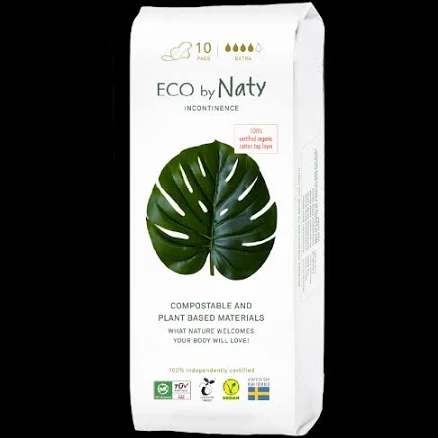
Eco By Naty
Incontinence Pads
- Bamboo-derived viscose, cotton, plant-based absorbent core
- We found no PFAS statement from the brand
- Heavy metals
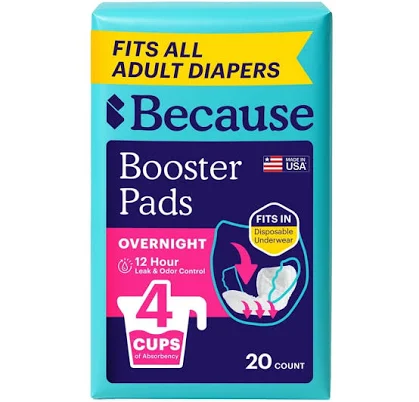
Because Market
Because Booster Pads
- Cellulose, superabsorbent polymer, cotton blend
- We found no PFAS statement from the brand
- Absorbent material degradation and bacterial growth
2 hazards checked on this product. See all of them.
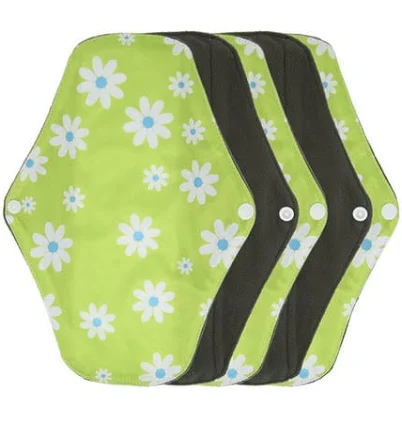
5pcs Bamboo Charcoal Washable Incontinence Pads
- bamboo charcoal textile, washable cotton-blend absorbent layer
- We found no PFAS statement from the brand
- Azo dyes and synthetic colorants
4 hazards checked on this product. See all of them.
More incontinence pads & protection grades
How we score, every product runs through the same public 0-100 rubric based on materials, coatings, brand disclosure, lab findings, and recalls. See the full methodology → Spotted a mistake? Report an error.