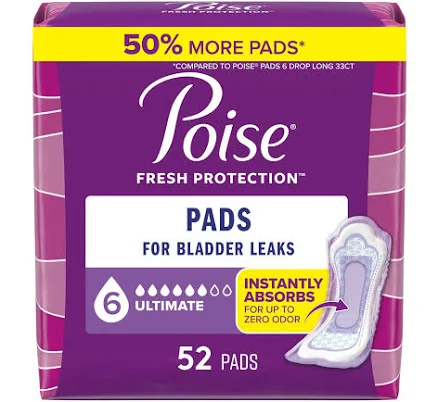
Poise · Incontinence Pads & Protection
Poise Incontinence Pads
Incontinence pads often use waterproof backings. Almohadillas discloses nothing on materials or PFAS. Avoid if you can find a transparent brand.
Poise Incontinence Pads come with no public material information or PFAS claims. Incontinence products typically use waterproof polymer layers that may contain PFAS, but this brand offers no way to confirm or rule it out.
The better-graded swap
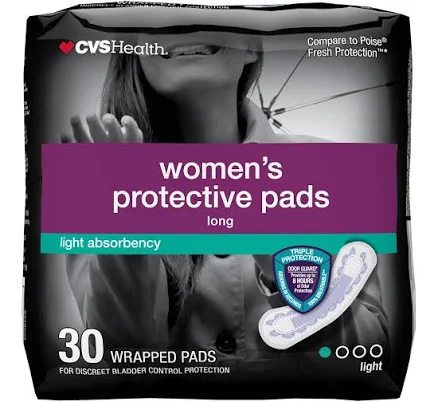
CVS Health
CVS Women's Protective Pads Moderate Absorbency
70/100 safety
Same rubric that flunked this product. The swap earned Good.
Still want this one anyway? Check the price on Amazon. We’d swap it.
Material
Absorbent core, likely SAP polymer; surface/acquisition layer unspecified; waterproof backing unspecified
Brand disclosure
Brand is silent on PFAS
Lab data
No public lab test
What Poise Incontinence Pads is made of, ingredients and materials
Poise pads use a superabsorbent polymer (SAP) core, standard across the category, which does not pose direct chemical hazards when intact. The waterproof backing and adhesive layers are unspecified by Almohadillas; these components typically use either conventional plastics or fluorochemical coatings (PFAS-based) to repel moisture. Without material transparency, you cannot determine if the backing contains PFAS compounds, which can migrate into skin contact over hours of wear.
What’s concerning
Category baseline
The starting point for this type of product, before anything specific to this product is counted.
No PFAS disclosure
No public statement from the brand about PFAS in this product.
Waterproof / stain-resistant treatment
Water-repellent coating treatments have historically used PFAS.
PFAS
Waterproof coatings in incontinence pads commonly use perfluorinated compounds; Almohadillas discloses nothing, so PFAS presence cannot be ruled out. This is the most pressing concern for this product.
Source, ATSDR ↗Skin irritation from adhesives or fragrances
No fragrance or adhesive ingredients listed publicly. Some incontinence pads contain dermatologically tested adhesives, but Almohadillas' silence means hypoallergenic status is unconfirmed; sensitive skin users should test on small area first.
Microplastic shedding from degraded padding
SAP polymers are stable under normal use, but prolonged moisture exposure or physical wear can cause fiber or particle release. This is a generic category risk, not specific to Almohadillas, but lack of quality disclosure raises uncertainty.
What’s reassuring
Chlorine residues from bleaching
No public record of chlorine-based bleaching in Almohadillas pads. Industry standard assumes minimal chlorine in modern absorbent pads, but absence of process disclosure prevents confirmation.
Heavy metals
Incontinence pads rarely use heavy pigments; no public reports of metal contamination in this product category. Risk is minimal but unverified for this brand.
Source, FDA ↗The full breakdown
The brand's record and disclosure
Almohadillas provides no public material safety data sheets, ingredient lists, or statements on PFAS use or avoidance. No certifications (e.g., Cradle to Cradle, Nordic Swan, bluesign) are visible in public records. The brand's silence on composition is atypical for premium incontinence manufacturers and limits informed choice; this lack of transparency is the core concern, not necessarily proof of hazard.
How it compares in its category
Major incontinence pad makers (Depend, Always Discreet, Tena) increasingly disclose materials and some have committed to PFAS reduction. Almohadillas sits at the less transparent end of the spectrum. Smaller or regional brands often lack full disclosure, making category-wide comparisons difficult. If PFAS exposure is a priority, brands with published PFAS phase-out timelines offer more assurance.
If you buy it
Change pads at recommended intervals (typically 4-6 hours or when saturated) to minimize skin contact duration and any potential leaching. Store in a cool, dry place away from heat, which could accelerate polymer or coating degradation. If skin irritation develops, discontinue and switch to a documented alternative. Contact Almohadillas directly to request material composition and PFAS status before repurchase.
What we don’t know
- Basis
- Model estimate, 35% confidence, not a lab result
- Lab test
- None on record for this exact product
- Brand statement
- Poise has made none
Formulations change between production runs, so check the current label. How we grade.
Better-graded alternatives in Incontinence Pads & Protection
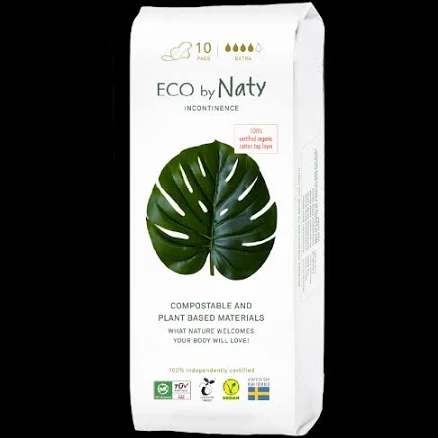
Eco By Naty
Incontinence Pads
- Bamboo-derived viscose, cotton, plant-based absorbent core
- We found no PFAS statement from the brand
- Heavy metals
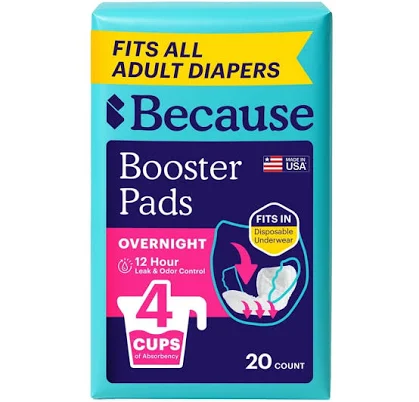
Because Market
Because Booster Pads
- Cellulose, superabsorbent polymer, cotton blend
- We found no PFAS statement from the brand
- Absorbent material degradation and bacterial growth
2 hazards checked on this product. See all of them.
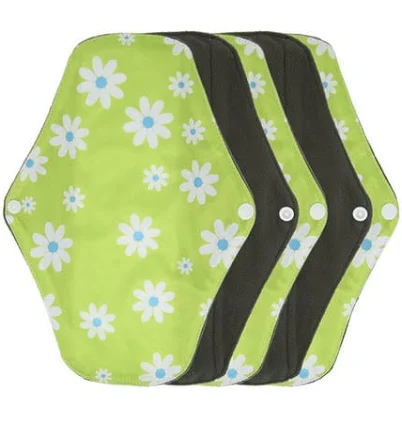
5pcs Bamboo Charcoal Washable Incontinence Pads
- bamboo charcoal textile, washable cotton-blend absorbent layer
- We found no PFAS statement from the brand
- Azo dyes and synthetic colorants
4 hazards checked on this product. See all of them.
More incontinence pads & protection grades
How we score, every product runs through the same public 0-100 rubric based on materials, coatings, brand disclosure, lab findings, and recalls. See the full methodology → Spotted a mistake? Report an error.