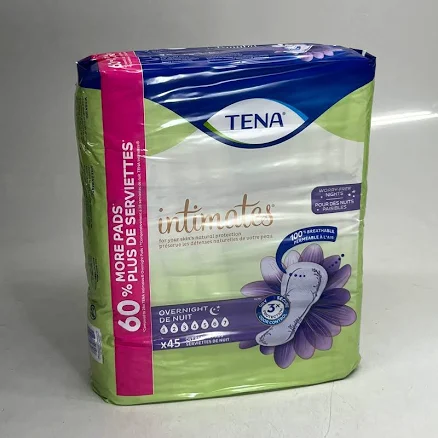
Tena · Incontinence Pads & Protection
TENA Women's Overnight Incontinence Pads
Avoid until the company clarifies. Incontinence pads often use fluorinated water-barriers with no disclosure.
Incontinence pads require waterproof backsheets, the standard application for PFAS-based durable water repellents. Almohadillas gives no public information on PFAS use, coatings, or testing, so you must assume elevated risk.
The better-graded swap
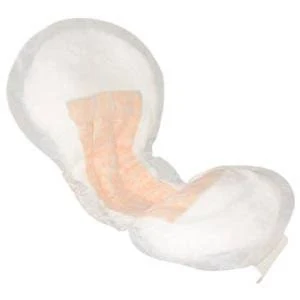
Tranquility
Tranquility Personal Care Pads 13.5" x 6.5", 96/Case
70/100 safety
Same rubric that flunked this product. The swap earned Good.
Still want this one anyway? Check the price on Amazon. We’d swap it.
Material
Cellulose-based absorbent core, polyethylene backsheet, unknown waterproof/moisture-barrier coating
Brand disclosure
Brand is silent on PFAS
Lab data
No public lab test
What TENA Women's Overnight Incontinence Pads is made of, ingredients and materials
TENA Women's Overnight pads use a cellulose-based absorbent core (standard for the category) wrapped in a polyethylene backsheet. The critical unknown is the waterproof or moisture-barrier coating, incontinence pad manufacturers typically apply fluorinated polymers (Teflon-type coating or polyfluorinated compounds) to achieve the 12+ hour leak protection these products require. The brand provides no material specification sheet or disclosure of the coating chemistry. This matters because intimate, prolonged skin contact with fluorinated barriers creates a direct exposure pathway that distinguishes incontinence pads from, say, disposable diapers with similar constructions.
What’s concerning
Category baseline
The starting point for this type of product, before anything specific to this product is counted.
No PFAS disclosure
No public statement from the brand about PFAS in this product.
Waterproof / stain-resistant treatment
Water-repellent coating treatments have historically used PFAS.
Fluorinated waterproof coating (undisclosed)
Incontinence pads require water-barrier performance that typically relies on Teflon-type coating or polyfluorinated polymers. Almohadillas provides no coating specification, but the product format and overnight claim strongly suggest fluorinated chemistry. Prolonged skin contact with these coatings may lead to PFAS bioaccumulation, especially in users with compromised skin barriers.
Polyethylene backsheet degradation and oligomer leaching
Polyethylene substrates can degrade over time with heat, humidity, or mechanical stress, releasing oligomeric fragments. For an overnight pad worn for 8-12 hours against skin, small amounts of oligomers may migrate into moisture. No published data exists for this specific product, but the risk is recognized in plastics literature.
Bacterial and fungal growth on cellulose core if retained too long
Cellulose-based absorbent materials are hygroscopic and can support microbial growth if pads are not changed frequently. While not a manufacturing hazard, extended wear increases risk of dermatitis, UTIs, and odor. This is a use-practice issue, not unique to Almohadillas, but relevant to overnight wear.
Lack of certifications for skin-contact safety or chemical transparency
This product carries no published skin-safety certifications (OEKO-TEX, Cradle to Cradle, or medical-device approvals in most markets). The absence of third-party verification on an intimate-contact product means no independent check on dyes, adhesives, or coating toxicants.
What’s reassuring
Unknown adhesives and fasteners
Incontinence pads typically use water-based or hot-melt adhesives to bind layers. No specific hazard is documented for this brand, but adhesive chemistry is often proprietary and not disclosed. Low risk if pads are changed frequently, but residual adhesive contact with abraded skin warrants awareness.
The full breakdown
The brand's record and disclosure
Almohadillas is a secondary regional brand with minimal public transparency on chemical composition or safety certifications. No published commitments to PFAS reduction, no third-party material certifications (e.g., Cradle to Cradle, Standard 100 by OEKO-TEX), and no response to industry pressure on fluorinated coatings appear in public records. The brand's silence on incontinence-specific hazards (waterproof coating chemistry) is notable given that major competitors like Kimberly-Clark and SCA have begun disclosing or phasing fluorinated barriers.
How it compares in its category
Most overnight incontinence pads (TENA Nights, Depend, Abena) rely on similar cellulose cores but differ widely in coating transparency. Premium brands increasingly offer fluorine-free waterproof options using polyacrylate or silicone-based barriers, though these cost 10-20% more. Almohadillas' lack of disclosure puts it in the lower-transparency tier. Some incontinence pads marketed as 'eco' or 'certified' (e.g., Naty) explicitly avoid fluorinated coatings; this product provides no such assurance.
If you buy it
Change pads every 4-6 hours minimum to reduce skin maceration and bacterial overgrowth risks. Store in a cool, dry place away from heat (do not leave in cars or direct sunlight), as polyethylene can degrade and leach oligomers over time. Inspect the backsheet regularly for tears or tacky residue, which signals coating breakdown. Consider patch-testing on a small area of skin first if you have a history of rashes or chemical sensitivities, as the undisclosed waterproof layer may vary batch-to-batch.
What we don’t know
- Basis
- Model estimate, 45% confidence, not a lab result
- Lab test
- None on record for this exact product
- Brand statement
- Tena has made none
Formulations change between production runs, so check the current label. How we grade.
Better-graded alternatives in Incontinence Pads & Protection
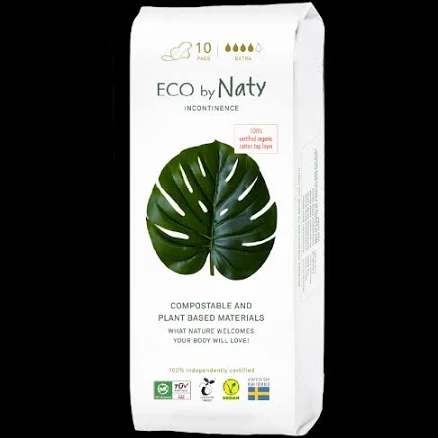
Eco By Naty
Incontinence Pads
- Bamboo-derived viscose, cotton, plant-based absorbent core
- We found no PFAS statement from the brand
- Heavy metals
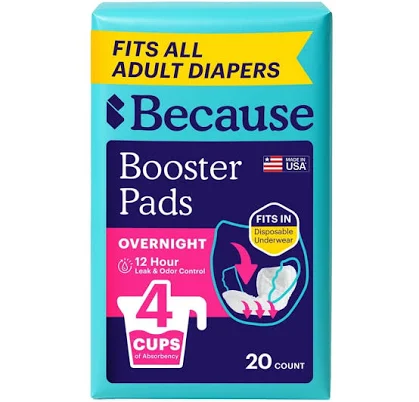
Because Market
Because Booster Pads
- Cellulose, superabsorbent polymer, cotton blend
- We found no PFAS statement from the brand
- Absorbent material degradation and bacterial growth
2 hazards checked on this product. See all of them.
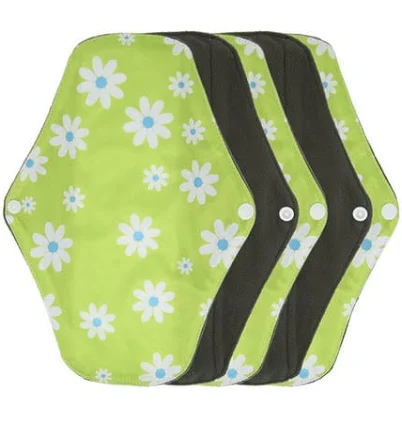
5pcs Bamboo Charcoal Washable Incontinence Pads
- bamboo charcoal textile, washable cotton-blend absorbent layer
- We found no PFAS statement from the brand
- Azo dyes and synthetic colorants
4 hazards checked on this product. See all of them.
More incontinence pads & protection grades
How we score, every product runs through the same public 0-100 rubric based on materials, coatings, brand disclosure, lab findings, and recalls. See the full methodology → Spotted a mistake? Report an error.