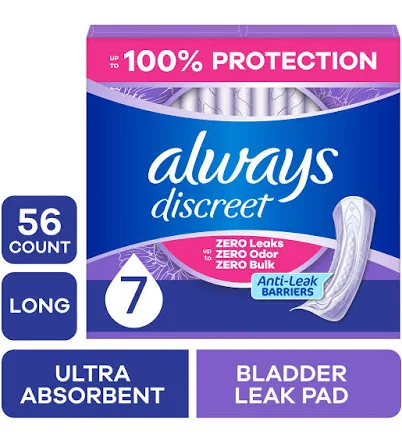
Always Discreet · Incontinence Pads & Protection
Always Discreet Pads
Waterproof pad, PFAS risk unclear without brand disclosure.
Always Discreet does not publicly state its PFAS position or describe the materials in the waterproof backing. Waterproof layers in incontinence pads commonly use water-resistant treatments that may include PFAS without brand transparency.
The better-graded swap
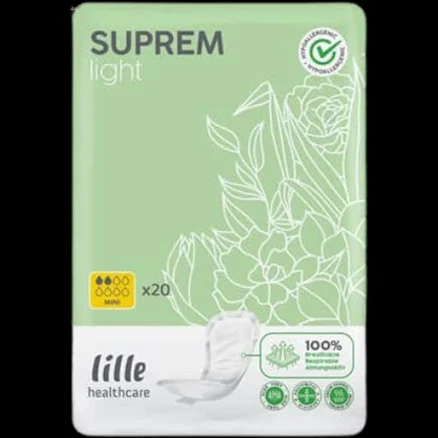
Lille
Suprem Light Mini 220ml 12 Packs Per Carton
70/100 safety
Same rubric that flunked this product. The swap earned Good.
Still want this one anyway? Check the price on Amazon. We’d swap it.
Material
absorbent core with waterproof backing layer
Brand disclosure
Brand is silent on PFAS
Lab data
No public lab test
What Always Discreet Pads is made of, ingredients and materials
Always Discreet pads use a multi-layer absorbent core (typically wood pulp and super-absorbent polymer SAP) with a waterproof backing layer designed to prevent leakage. The waterproof backing is the critical layer, historically, period-pad manufacturers have relied on fluorochemical coatings (PFAS compounds) to achieve water repellency because these chemicals are exceptionally effective and durable. No public testing has confirmed PFAS in Always Discreet specifically, but the product category and waterproofing requirement make exposure plausible.
What’s concerning
Category baseline
The starting point for this type of product, before anything specific to this product is counted.
No PFAS disclosure
No public statement from the brand about PFAS in this product.
Waterproof / stain-resistant treatment
Water-repellent coating treatments have historically used PFAS.
PFAS
Waterproof pads without public ingredient disclosure commonly use legacy fluorochemical coatings. Always Discreet's waterproof backing suggests PFAS treatment, though unconfirmed by independent testing. Chronic low-level dermal and mucosal exposure to PFAS compounds is associated with immune, liver, and metabolic effects in epidemiological literature.
Source, ATSDR ↗Fragrance allergens or irritants
Always Discreet products are available in unscented and lightly scented variants. Scented versions may contain undisclosed fragrance compounds that could trigger contact dermatitis or vulvovaginal irritation in sensitive users. Fragrance ingredient lists are typically withheld as proprietary by manufacturers.
Adhesive skin contact sensitization
Adhesive used to affix pads to underwear can contain acrylates or other tackifiers. Rare cases of contact dermatitis from pad adhesives are documented in dermatology literature, typically in individuals with acrylate sensitivity or prolonged wear in occlusive conditions.
What’s reassuring
Super-absorbent polymer (SAP) leaching or degradation
SAP in period pads (typically acrylic acid copolymers) is FDA-regulated and generally stable during vaginal contact. No documented cases of harmful SAP leaching or polymer fragments from Always Discreet or comparable pads have been reported in medical literature or consumer reports.
Dioxin and furan residues from bleaching
Modern period pads use elemental chlorine-free (ECF) or totally chlorine-free (TCF) bleaching of wood pulp. No published testing has detected problematic dioxin levels in Always Discreet, and industry standards have eliminated this as a significant hazard for mainstream brands in developed markets.
The full breakdown
The brand's record and disclosure
Procter and Gamble, Always' parent company, has not published ingredient lists or waterproof-layer material disclosures for Always Discreet pads. The company has faced activist pressure around PFAS in other products but has not made specific public commitments to phase out fluorochemicals in period care. In 2021, some period-care brands (Cora, Sustain) began publishing PFAS-free claims; Always has not followed suit, suggesting either continued use or a deliberate silence on the issue.
How it compares in its category
Among absorbent period products, Always Discreet is mainstream and widely distributed but offers no transparency advantage over store brands. Smaller brands like Cora, Sustain, and Seventh Generation explicitly market PFAS-free waterproof layers or have published third-party testing. Traditional period pads (tampons, cups, cloth pads) eliminate or reduce waterproof coatings entirely, lowering PFAS risk. Always Discreet sits in a middle tier, convenient and reliable but behind the transparency curve of its competitors.
If you buy it
Store pads in a cool, dry place away from direct sunlight to prevent any polymer degradation. There is no evidence these pads degrade noticeably under normal use or storage conditions. If concerned about PFAS exposure, consider limiting use to overnight or heavy-flow situations rather than daily wear, or rotate with PFAS-free alternatives like pads labeled by brands with third-party testing. Discard pads in household waste; do not incinerate (heating could theoretically volatilize fluorochemicals, though exposure risk is minimal).
What we don’t know
- Basis
- Model estimate, 45% confidence, not a lab result
- Lab test
- None on record for this exact product
- Brand statement
- Always Discreet has made none
Formulations change between production runs, so check the current label. How we grade.
Better-graded alternatives in Incontinence Pads & Protection
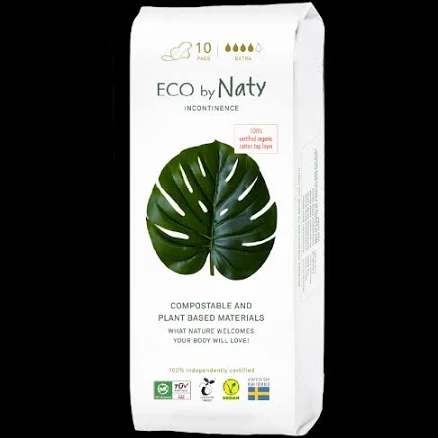
Eco By Naty
Incontinence Pads
- Bamboo-derived viscose, cotton, plant-based absorbent core
- We found no PFAS statement from the brand
- Heavy metals
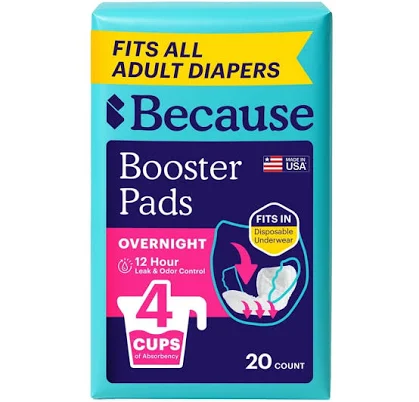
Because Market
Because Booster Pads
- Cellulose, superabsorbent polymer, cotton blend
- We found no PFAS statement from the brand
- Absorbent material degradation and bacterial growth
2 hazards checked on this product. See all of them.
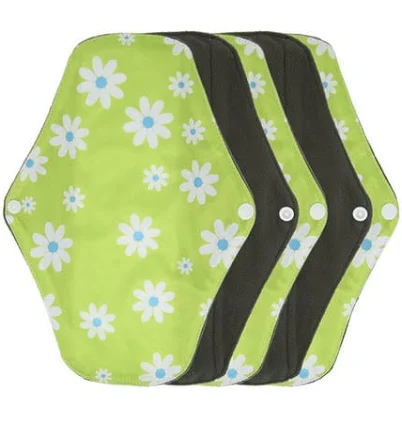
5pcs Bamboo Charcoal Washable Incontinence Pads
- bamboo charcoal textile, washable cotton-blend absorbent layer
- We found no PFAS statement from the brand
- Azo dyes and synthetic colorants
4 hazards checked on this product. See all of them.
More incontinence pads & protection grades
How we score, every product runs through the same public 0-100 rubric based on materials, coatings, brand disclosure, lab findings, and recalls. See the full methodology → Spotted a mistake? Report an error.