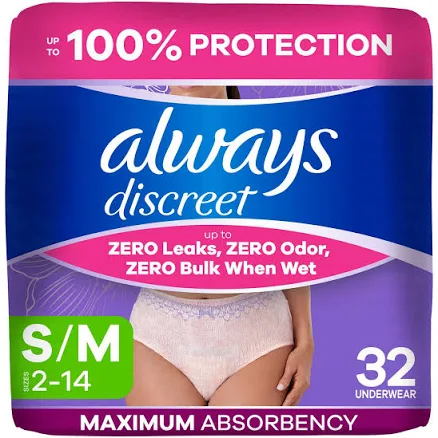
Always Discreet · Incontinence Pads & Protection
Always Discreet Women's Maximum Incontinence Underwear
Wait for Procter & Gamble to provide PFAS ingredient transparency.
Always Discreet uses waterproof layers typical in incontinence products, often treated with fluorochemicals, yet Procter & Gamble discloses nothing. Lab data and independent testing are unavailable.
The better-graded swap
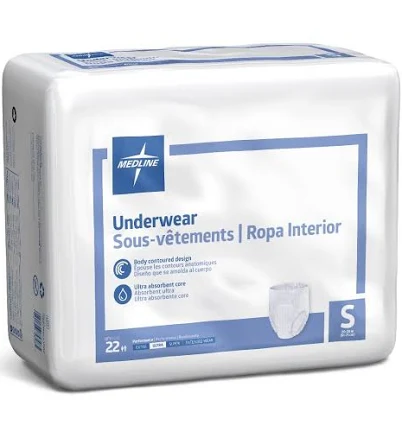
Protection Plus
Protection Plus Classic Adult Underwear,Small Bag of 22
70/100 safety
Same rubric that flunked this product. The swap earned Good.
Still want this one anyway? Check the price on Amazon. We’d swap it.
Material
Non-woven fabrics with waterproof layer, absorbent core
Brand disclosure
Brand is silent on PFAS
Lab data
No public lab test
You may also be interested in
Top-graded picks in the categories readers replace first, every one scored on the same rubric.

- polypropylene filter housing, carbon/sediment cartridge
- We found no PFAS statement from the brand
- Bacterial growth in spent cartridges
3 hazards checked on this product, all on its full breakdown.

Aquasure
Premier Series 75 GPD Under Sink Reverse Osmosis Water Filtration System
- RO membrane, carbon filters, stainless steel housing
- We found no PFAS statement from the brand
- Bacterial and microbial growth in housing and filters
4 hazards checked on this product, all on its full breakdown.

Avocado
Vegan Mattress
- organic cotton, natural latex, coconut coir, recycled steel coils
- The brand calls it PFAS-free, which we have not verified
- Heavy metals
2 hazards checked on this product, all on its full breakdown.
What Always Discreet Women's Maximum Underwear is made of, ingredients and materials
Always Discreet Maximum uses non-woven synthetic fabrics (likely polypropylene and polyethylene) bonded into layers, with an absorbent core typically containing cellulose or superabsorbent polymers (SAP), and a waterproof backing layer. The waterproof layer in incontinence products commonly relies on plastic films or coatings; the concern is whether water-repellency is achieved through PFAS (PFAS "forever chemicals"), which are not disclosed in publicly available product specifications. Non-woven synthetics themselves pose minimal chemical leaching risk in normal contact with skin, but degradation or heat exposure could theoretically release volatile compounds.
What’s concerning
Category baseline
The starting point for this type of product, before anything specific to this product is counted.
No PFAS disclosure
No public statement from the brand about PFAS in this product.
Waterproof / stain-resistant treatment
Water-repellent coating treatments have historically used PFAS.
PFAS
Waterproof backing in incontinence products commonly uses PFAS-based water repellents; P&G has not disclosed chemistry for Always Discreet. Skin contact is prolonged, increasing potential dermal absorption of trace PFAS if present. This is the primary reason for the 'skip pending transparency' guidance.
Source, ATSDR ↗Skin irritation from synthetic materials or absorbent core
Non-woven polypropylene and superabsorbent polymers are generally well-tolerated but can cause localized irritation in sensitive skin or if worn continuously. Always Discreet does not appear in major adverse reaction databases, but irritation is a common user complaint across the category and not brand-specific.
Microplastics
Repeated use and washing of synthetic non-woven fabrics can shed microplastic fibers. Incontinence underwear is not typically washed multiple times (usually discarded), so shedding risk is lower than reusable alternatives, but fiber breakdown during wear and disposal remains an environmental concern rather than acute personal hazard.
Source, EPA ↗What’s reassuring
Allergens in adhesives or binding agents
No established reports of allergic reactions to Always Discreet adhesives or binders. Non-woven synthetics use minimal volatile glues in final product, reducing off-gassing compared to some foam-backed products.
Heavy metals
Cellulose and superabsorbent polymers used in incontinence products are not typical sources of lead, cadmium, or other heavy metals. Always Discreet does not use pigmented dyes in core materials, limiting this pathway; no test results or recalls indicate heavy metal contamination.
Source, FDA ↗How is this PFAS grade calculated?
The brand's record and disclosure
Procter & Gamble (Always parent company) has not published specific PFAS content or water-repellency chemistry for Always Discreet products as of available public records. P&G signed the PFAS Stewardship Program but has not voluntarily disclosed fluorochemical use in feminine care or incontinence lines. No major safety recalls or skin-irritation lawsuits specific to Always Discreet are established in public records. The lack of transparency on fluorochemical content is the primary disclosure gap rather than a known safety failure.
How it compares in its category
Incontinence underwear is less regulated than wound dressings or medical devices in most markets, creating a wider transparency gap across brands. Alternatives from medical-focused brands (e.g., Depend, Tena) also rarely disclose PFAS content explicitly, making Always Discreet broadly representative of industry opacity rather than an outlier. Consumer-focused organic or incontinence products not linked to PFAS exist but are rarer and more expensive. Compared to period pads, incontinence products typically have thicker synthetic backing and larger absorbent cores, increasing potential PFAS exposure if present.
If you buy it
Wear for intended duration only (typically 4-8 hours); do not wear continuously for days, as skin maceration and irritation risk increases with extended moisture retention. Wash the genital area promptly after removal to reduce any potential for irritant contact dermatitis from residual materials. Store in a cool, dry place; heat exposure is not a concern for normal domestic use. If you experience persistent itching, rash, or unusual odor, discontinue and consider brands with published PFAS-free or PFAS-reduction commitments.
What is not known about PFAS in this product?
- Basis
- Model estimate, 45% confidence, not a lab result
- Lab test
- None on record for this exact product
- Brand statement
- Always Discreet has made none
Formulations change between production runs, so check the current label. How we grade.
What are the PFAS-free alternatives to Always Discreet Women's Maximum Incontinence Underwear?
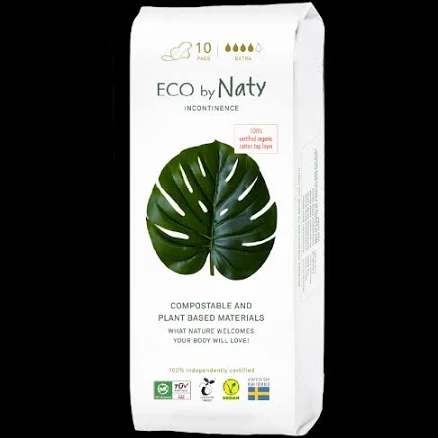
- Bamboo-derived viscose, cotton, plant-based absorbent core
- We found no PFAS statement from the brand
- Heavy metals
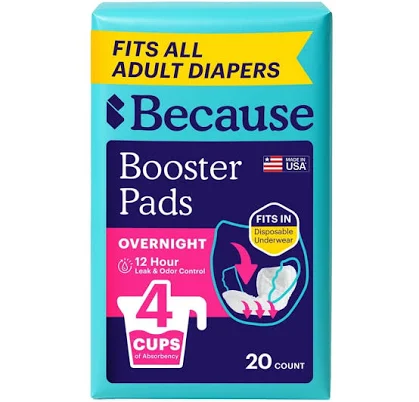
- Cellulose, superabsorbent polymer, cotton blend
- We found no PFAS statement from the brand
- Absorbent material degradation and bacterial growth
2 hazards checked on this product, all on its full breakdown.
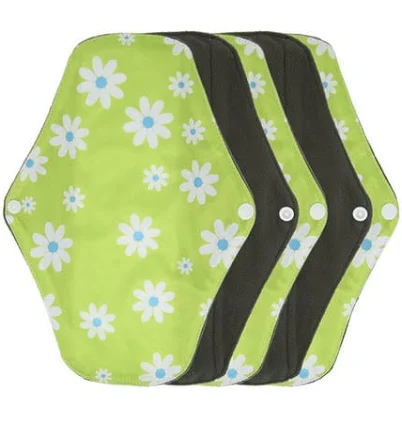
5pcs Bamboo Charcoal Washable Incontinence Pads
- bamboo charcoal textile, washable cotton-blend absorbent layer
- We found no PFAS statement from the brand
- Azo dyes and synthetic colorants
4 hazards checked on this product, all on its full breakdown.
More incontinence pads & protection grades
How we score, every product runs through the same public 0-100 rubric based on materials, coatings, brand disclosure, lab findings, and recalls. See the full methodology → Spotted a mistake? Report an error.