Attends · Incontinence Pads & Protection
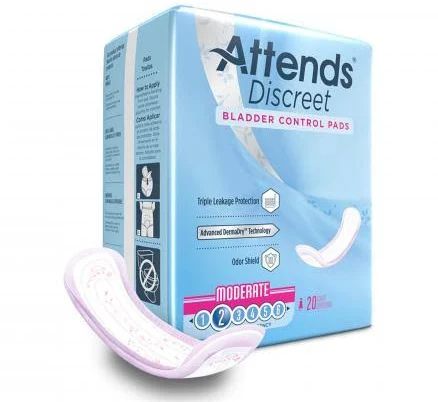
Attends Discreet Bladder Control Pad
Backing composition undisclosed; higher PFAS risk concern.
This Attends pad has a waterproof backing whose material goes undescribed by the brand. Incontinence products typically use backings that may contain PFAS.
The better-graded swap
Wellness
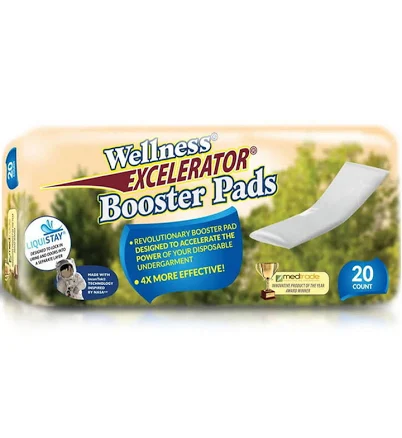
Wellness Excelerator Booster Pad
70/100 safety
Same rubric that flunked this product. The swap earned Good.
Still want this one anyway? Check the price on Amazon. We’d swap it.
Material
nonwoven, superabsorbent polymer, waterproof backing (unspecified)
Brand disclosure
Brand is silent on PFAS
Lab data
No public lab test
What Attends Discreet Bladder Control Pad is made of, ingredients and materials
Attends Discreet pads use a three-layer structure, nonwoven fabric (polypropylene or similar), superabsorbent polymer (SAP, typically sodium polyacrylate), and a waterproof backing. The nonwoven and SAP are well-established, food-contact-safe materials with minimal leaching risk under skin-contact conditions. The critical unknown is the backing composition, manufacturers typically use polyethylene (PE), polypropylene (PP), or polyester film, sometimes with adhesive layers. Attends does not publicly disclose this backing material or confirm PFAS-free status, which is the main transparency gap.
What’s concerning
Category baseline
The starting point for this type of product, before anything specific to this product is counted.
No PFAS disclosure
No public statement from the brand about PFAS in this product.
Waterproof / stain-resistant treatment
Water-repellent coating treatments have historically used PFAS.
PFAS
Backing material not disclosed; waterproof coatings in similar products commonly use PFOA, Teflon-type coating, or other PFAS-family chemicals. Skin contact risk is low but bioaccumulation concern exists with repeated use over years. Attends provides no test data to rule this out.
Source, ATSDR ↗Skin sensitization from adhesives or residual monomers
Adhesive layers and manufacturing residues (e.g., acrylic monomer, formaldehyde from crosslinking) are potential but not documented sources of irritation in this brand. Pre-existing dermatitis or sensitive skin may react; no specific Attends incidents are on record.
Bacterial or mold growth if pad left in place too long
Not a manufacturing hazard but a use hazard, prolonged moisture against skin creates risk for urinary tract or skin infections. This is mitigated by timely changes and is user-dependent, not product-specific. Standard care eliminates this.
What’s reassuring
Superabsorbent polymer (SAP) integrity and leaching
Sodium polyacrylate in FDA-cleared incontinence products has a long safety record and minimal leaching of monomers. No recalls or adverse reports linked to SAP in Attends Discreet are on record.
Nonwoven fabric degradation and microparticle release
Polypropylene or polyester nonwoven materials do not readily shed microfibers under normal skin-contact conditions. Risk increases only if pad is damaged, cut, or repeatedly macerated (soaked). No established hazard for intact product use.
The full breakdown
The brand's record and disclosure
Attends (Essity) is a major incontinence-care manufacturer with no documented product recalls for chemical contamination. However, the company has not released public PFAS testing data or statements confirming PFAS-free manufacturing for this product line. No third-party certifications (e.g., Standard 100 by OEKO-TEX, GOTS) appear on Attends Discreet packaging or marketing materials. This silence is notable in a category where competitors increasingly disclose waterproof backing materials and PFAS absence.
How it compares in its category
Incontinence pads are not subject to FDA premarket approval, so chemical standards rely on material safety and voluntary disclosure. Attends Discreet competes with Depend, Always Discreet, and store brands; most do not publicly commit to PFAS-free backings. Some premium or eco-focused alternatives (e.g., Aisle, Knix) now explicitly state polyethylene backing and test for PFAS. Attends' lack of transparency puts it in the middle of a market moving toward disclosure, neither ahead nor behind industry baseline.
If you buy it
Use as directed; no special precautions needed for normal skin contact. Change pads regularly (at least every 4-6 hours) to minimize moisture and skin irritation risk, which is the primary health concern in extended wear. Do not heat (microwave, hot dryer) as this could degrade backing and potentially release volatiles, though testing is absent. If you have sensitive skin, test a single pad first. Request manufacturer contact info from packaging to ask for backing composition and PFAS test results before committing to bulk purchase.
What we don’t know
- Basis
- Model estimate, 45% confidence, not a lab result
- Lab test
- None on record for this exact product
- Brand statement
- Attends has made none
Formulations change between production runs, so check the current label. How we grade.
Better-graded alternatives in Incontinence Pads & Protection
Eco By Naty
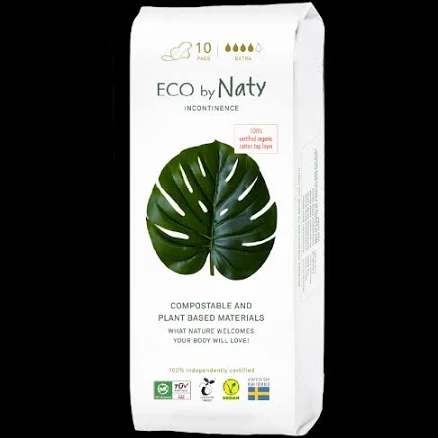
Incontinence Pads
- Bamboo-derived viscose, cotton, plant-based absorbent core
- We found no PFAS statement from the brand
- Heavy metals
Because Market
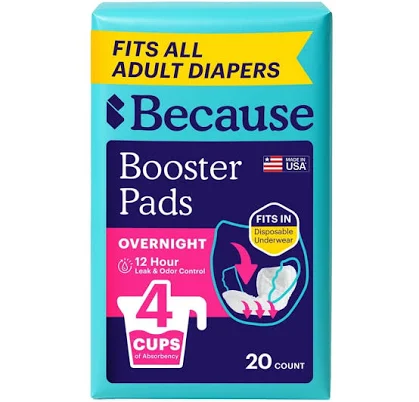
Because Booster Pads
- Cellulose, superabsorbent polymer, cotton blend
- We found no PFAS statement from the brand
- Absorbent material degradation and bacterial growth
2 hazards checked on this product. See all of them.
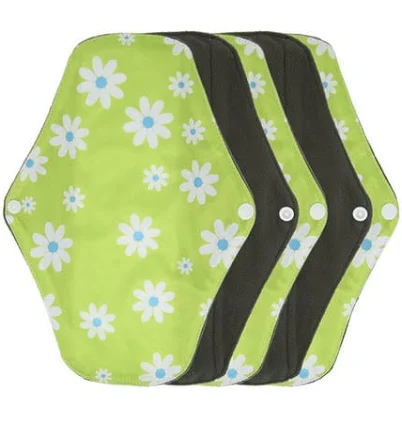
5pcs Bamboo Charcoal Washable Incontinence Pads
- bamboo charcoal textile, washable cotton-blend absorbent layer
- We found no PFAS statement from the brand
- Azo dyes and synthetic colorants
4 hazards checked on this product. See all of them.
More incontinence pads & protection grades
How we score, every product runs through the same public 0-100 rubric based on materials, coatings, brand disclosure, lab findings, and recalls. See the full methodology → Spotted a mistake? Report an error.