Attends · Incontinence Pads & Protection
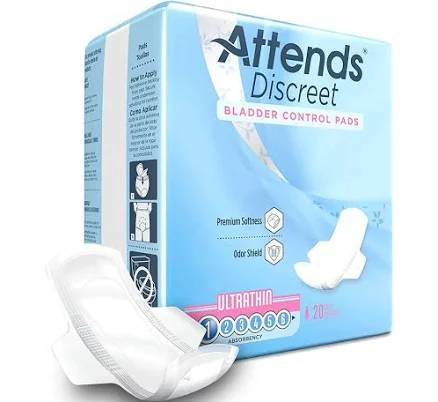
Attends Discreet Ultra Thin Bladder Control Pad
Incontinence pad with unspecified waterproof coating; PFAS status unclear.
Attends won't explain what makes this thin pad waterproof or acknowledge PFAS risk. Incontinence pads routinely have moisture barriers that may contain PFAS, though this product has no public testing.
The better-graded swap
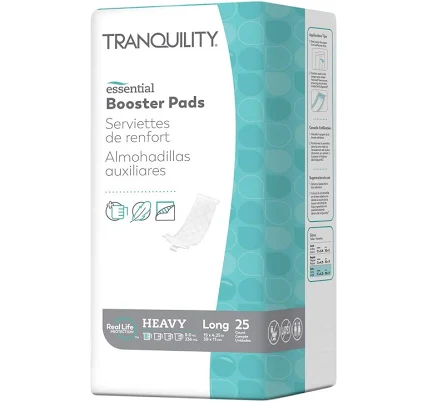
Tranquility
Tranquility Essential Booster Pads Heavy Absorbency, Long - 4-1/4 x 15 Inch (Case of 200)
70/100 safety
Same rubric that flunked this product. The swap earned Good.
Still want this one anyway? Check the price on Amazon. We’d swap it.
Material
cellulose core, plastic backing, waterproof/moisture-barrier coating
Brand disclosure
Brand is silent on PFAS
Lab data
No public lab test
What Attends Discreet Ultra Thin Bladder is made of, ingredients and materials
Attends Discreet Ultra Thin uses a cellulose-based absorbent core, which is a standard, non-toxic material in incontinence pads. The product is backed with a plastic layer and includes a waterproof/moisture-barrier coating to prevent leakage. The chemical identity of that waterproof coating is not disclosed on packaging or Attends' public safety data; this coating is the primary chemical concern because waterproofing in incontinence and period-care products commonly relies on PFAS-based compounds, though non-PFAS alternatives (polyurethane, silicones) exist and are used by some competitors.
What’s concerning
Category baseline
The starting point for this type of product, before anything specific to this product is counted.
No PFAS disclosure
No public statement from the brand about PFAS in this product.
Waterproof / stain-resistant treatment
Water-repellent coating treatments have historically used PFAS.
PFAS
Waterproof/moisture-barrier chemistry unspecified by Attends. PFAS compounds are common in incontinence-pad coatings but not universal; coating identity and PFAS status remain unknown for this product.
Source, ATSDR ↗Skin irritation from adhesives or coating residues
Individual sensitivity to waterproof coatings or adhesive materials can occur but is not product-specific and not reported as a widespread issue with this model. Risk varies by user skin sensitivity.
What’s reassuring
Plastic backing leachates
Plastic backing material (likely polyethylene or polypropylene) is not identified on packaging. Standard plastic backings in incontinence pads do not typically leach BPA or phthalates under normal body-temperature use, but specific formulation unknown.
Cellulose core and super-absorbent polymer (SAP) safety
Cellulose core is well-established with no hazard of this kind on record; no hazards reported for standard SAP compounds used in incontinence pads. No recalls or adverse effects documented for Attends' absorbent core specifically.
Microplastic shedding from backing or coating
No public data on microplastic release from Attends incontinence pads during use or disposal. Standard plastic backings are not known to shed microplastics at body temperature in the short wear period of a single pad.
The full breakdown
The brand's record and disclosure
Attends, a major incontinence-care brand owned by SCA (Essity), does not publicly disclose PFAS presence or absence in their product lines, nor have they published commitments to phase out PFAS-based coatings. The company does not appear on lists of brands with formal PFAS transparency pledges. No major product recalls or safety warnings specific to this pad model have been reported in public databases. The silence on waterproof coating chemistry is consistent with industry-wide lack of transparency in this category.
How it compares in its category
Most incontinence pads and period products use similar cellulose-plastic-coating architectures; Attends is a mainstream, widely available option. Some competitors (notably certain eco-focused brands and some premium lines) explicitly state non-PFAS waterproofing methods, while others remain silent like Attends. Ultra-thin designs require more robust waterproofing per unit area, which may increase reliance on coatings whose chemistry is proprietary. Attends' positioning as 'discreet' and ultra-thin places it in the category most dependent on effective moisture barriers, where coating composition matters most.
If you buy it
Store in cool, dry conditions away from direct heat, as high temperatures can stress plastic backing and potentially increase any coating leachate risk. Replace pads as intended (do not reuse or extend wear cycles beyond comfort and hygiene needs). If you experience skin irritation, redness, or unusual odor, discontinue use and consult a healthcare provider; sensitivity to coating materials is possible but not well-documented for this specific product. Consider requesting coating composition details from Attends customer service if PFAS status is a personal concern; lack of transparency may warrant switching to a brand with disclosed non-PFAS formulations if available and affordable.
What we don’t know
- Basis
- Model estimate, 45% confidence, not a lab result
- Lab test
- None on record for this exact product
- Brand statement
- Attends has made none
Formulations change between production runs, so check the current label. How we grade.
Better-graded alternatives in Incontinence Pads & Protection
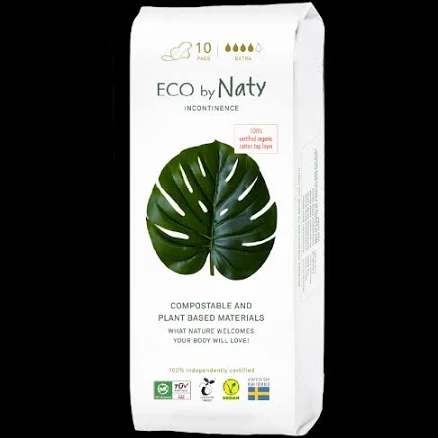
Eco By Naty
Incontinence Pads
- Bamboo-derived viscose, cotton, plant-based absorbent core
- We found no PFAS statement from the brand
- Heavy metals
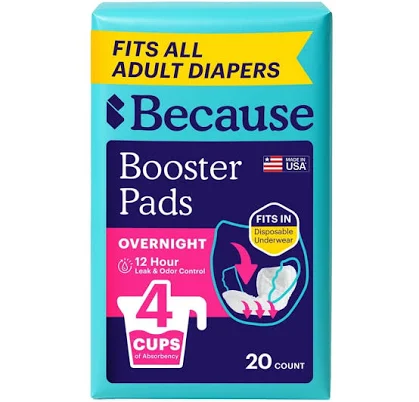
Because Market
Because Booster Pads
- Cellulose, superabsorbent polymer, cotton blend
- We found no PFAS statement from the brand
- Absorbent material degradation and bacterial growth
2 hazards checked on this product. See all of them.
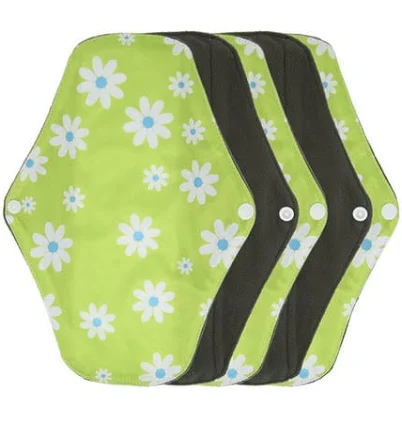
5pcs Bamboo Charcoal Washable Incontinence Pads
- bamboo charcoal textile, washable cotton-blend absorbent layer
- We found no PFAS statement from the brand
- Azo dyes and synthetic colorants
4 hazards checked on this product. See all of them.
More incontinence pads & protection grades
How we score, every product runs through the same public 0-100 rubric based on materials, coatings, brand disclosure, lab findings, and recalls. See the full methodology → Spotted a mistake? Report an error.