Attends · Incontinence Pads & Protection
Attends Discreet Underpads, 23" x 36", Disposable Bed & Furniture Protection
Avoid; waterproof underpads typically use PFAS-based treatments.
Attends won't disclose PFAS information for these underpads. Disposable underpads commonly use water-repellent coatings, often PFAS-based, with no independent testing available.
The better-graded swap
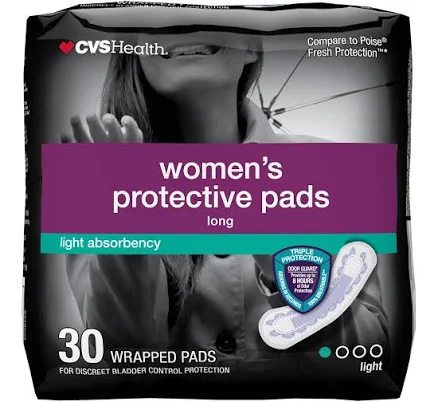
CVS Health
CVS Women's Protective Pads Moderate Absorbency
70/100 safety
Same rubric that flunked this product. The swap earned Good.
Still want this one anyway? Check the price on Amazon. We’d swap it.
Material
Absorbent core, plastic backing with moisture barrier
Brand disclosure
Brand is silent on PFAS
Lab data
No public lab test
What Attends Discreet Underpads, 23" x 36" is made of, ingredients and materials
Attends Discreet Underpads use an absorbent cellulose or SAP core topped with a plastic moisture barrier backing designed to prevent liquid penetration to furniture or bedding. The waterproof layer is typically achieved via polymer coatings or films, which in this product category commonly employ PFAS-based water- and oil-repellent treatments to maintain durability through repeated moisture exposure. The plastic backing also functions as a vapor seal, which can trap humidity and create microclimate conditions if underpads remain in place for extended periods without air circulation.
What’s concerning
Category baseline
The starting point for this type of product, before anything specific to this product is counted.
No PFAS disclosure
No public statement from the brand about PFAS in this product.
Waterproof / stain-resistant treatment
Water-repellent coating treatments have historically used PFAS.
PFAS
Plastic moisture-barrier layers in underpads typically use PFAS-based treatments to achieve durable water repellency. No Attends disclosure rules out this chemistry; direct evidence of use in this product is not public, but material class and function strongly suggest presence.
Source, ATSDR ↗Microplastic shedding from polymer degradation
Repeated flexing, moisture cycling, and friction against skin or furniture can degrade the plastic backing over time, potentially releasing microplastic particles. Risk increases if the underpad is reused beyond its intended single-use lifespan or exposed to heat.
Skin irritation from plastic film contact
Direct contact between skin and the plastic backing layer can trap moisture and heat, creating conditions for maceration or irritant dermatitis, especially during prolonged wear or in individuals with sensitive skin or existing incontinence-related dermatitis.
Bacterial or mold growth under polymer barrier
The waterproof backing can trap moisture between the underpad and the furniture or skin surface, creating an anaerobic microclimate favorable to bacterial or fungal colonization if the pad remains in place for many hours without replacement or if furniture dries slowly.
What’s reassuring
Chemical off-gassing from adhesives or coatings
No public reports of VOC or formaldehyde off-gassing from Attends underpads have been documented. Standard adhesives used in SAP cores are typically low-VOC formulations, but independent testing data for this specific product is not available.
The full breakdown
The brand's record and disclosure
Attends, a major incontinence-care brand owned by Essity, does not publicly disclose detailed chemical composition or safety certifications for its disposable underpads on product labeling or website FAQs. The brand has not published statements on PFAS avoidance or phaseout policies specific to this product line. No recalls or regulatory warnings specific to Attends underpads for chemical hazards have been published by FDA or CPSC in widely available records, though this reflects absence of tested complaints rather than independent safety verification.
How it compares in its category
Disposable underpads across major brands (Attends, Tranquility, Tena, Northshore) rely on similar plastic-backed, SAP-core construction, making PFAS exposure a category-wide concern rather than brand-specific. Reusable fabric-backed underpads (cotton-polyester blends with washable waterproof layers) avoid plastic chemistry but require frequent laundering. Some specialty brands explicitly test for PFAS absence, but Attends does not market such certification, placing it in the middle-risk tier for this category.
If you buy it
Replace underpads immediately after soiling to minimize skin contact duration and allow air circulation to the furniture surface underneath. Do not expose to direct heat sources, sunlight for extended periods, or temperatures above 140F, as degradation of polymer coatings can increase microplastic shedding and potential leachate release. Ensure adequate ventilation in the room to reduce trapped moisture accumulation. If alternatives with transparent PFAS-free certifications are available at similar price points, those may reduce long-term exposure uncertainty.
What we don’t know
- Basis
- Model estimate, 35% confidence, not a lab result
- Lab test
- None on record for this exact product
- Brand statement
- Attends has made none
Formulations change between production runs, so check the current label. How we grade.
Better-graded alternatives in Incontinence Pads & Protection
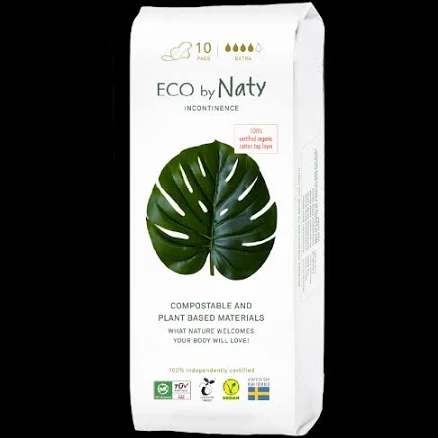
Eco By Naty
Incontinence Pads
- Bamboo-derived viscose, cotton, plant-based absorbent core
- We found no PFAS statement from the brand
- Heavy metals
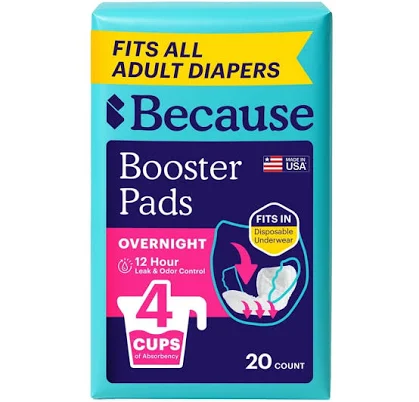
Because Market
Because Booster Pads
- Cellulose, superabsorbent polymer, cotton blend
- We found no PFAS statement from the brand
- Absorbent material degradation and bacterial growth
2 hazards checked on this product. See all of them.
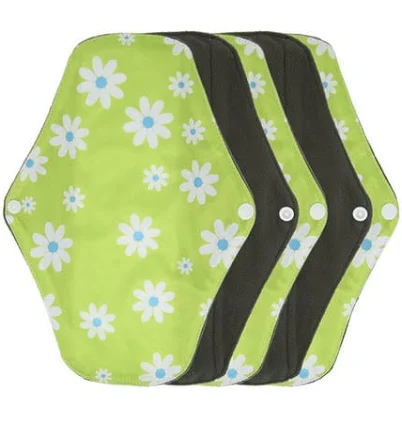
5pcs Bamboo Charcoal Washable Incontinence Pads
- bamboo charcoal textile, washable cotton-blend absorbent layer
- We found no PFAS statement from the brand
- Azo dyes and synthetic colorants
4 hazards checked on this product. See all of them.
More incontinence pads & protection grades
How we score, every product runs through the same public 0-100 rubric based on materials, coatings, brand disclosure, lab findings, and recalls. See the full methodology → Spotted a mistake? Report an error.