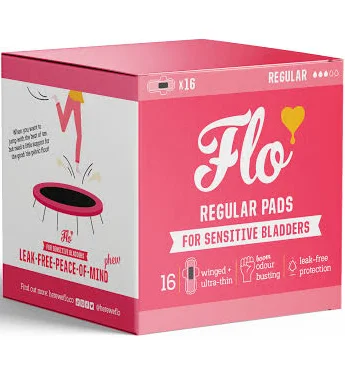
Here We Flo · Incontinence Pads & Protection
Here We Flo Sensitive Bladder Bamboo Pads
Skip until manufacturer discloses waterproof layer chemistry.
Period pads require waterproof backing, and many brands use PFAS-based water-resistant coatings as a low-cost option. Bamboo Nature makes no public disclosure of backing material or PFAS status.
The better-graded swap
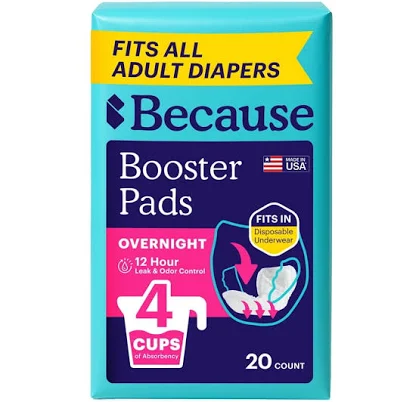
Because Market
Because Booster Pads
70/100 safety
Same rubric that flunked this product. The swap earned Good.
Still want this one anyway? Check the price on Amazon. We’d swap it.
Material
bamboo pulp, absorbent core, likely SAP; waterproof backing unspecified
Brand disclosure
Brand is silent on PFAS
Lab data
No public lab test
You may also be interested in
Top-graded picks in the categories readers replace first, every one scored on the same rubric.

- polypropylene filter housing, carbon/sediment cartridge
- We found no PFAS statement from the brand
- Bacterial growth in spent cartridges
3 hazards checked on this product, all on its full breakdown.

Aquasure
Premier Series 75 GPD Under Sink Reverse Osmosis Water Filtration System
- RO membrane, carbon filters, stainless steel housing
- We found no PFAS statement from the brand
- Bacterial and microbial growth in housing and filters
4 hazards checked on this product, all on its full breakdown.

Avocado
Vegan Mattress
- organic cotton, natural latex, coconut coir, recycled steel coils
- The brand calls it PFAS-free, which we have not verified
- Heavy metals
2 hazards checked on this product, all on its full breakdown.
What Here We Flo Sensitive Bladder Bamboo Pads is made of, ingredients and materials
This pad uses bamboo pulp as its primary absorbent layer, which is chemically similar to wood pulp and carries minimal toxicity risk when pure. The core likely contains sodium polyacrylate (SAP), a standard superabsorbent polymer with a long safety record in incontinence and hygiene products. The critical unknown is the waterproof backing material, common options are polyethylene (lower concern), polypropylene (lower concern), or fluorinated coatings like PFC/PFOA (high concern). Without disclosed backing chemistry, the product cannot be fully evaluated for safety.
What’s concerning
Category baseline
The starting point for this type of product, before anything specific to this product is counted.
No PFAS disclosure
No public statement from the brand about PFAS in this product.
Waterproof / stain-resistant treatment
Water-repellent coating treatments have historically used PFAS.
Fluorinated coatings (PFC/PFOA) in waterproof backing
Standard waterproofing in incontinence pads often relies on fluorinated compounds. Bamboo Nature has not disclosed its backing chemistry; this is the single largest safety concern for this product. Direct contact with genital/skin tissue increases absorption risk compared to non-intimate uses.
Skin irritation from undisclosed additives or dyes
Bamboo pulp pads may contain optical brighteners, chlorine-based bleaching residues, or dyes to achieve white/colored appearance. No certifications or material disclosures suggest testing for residual chemicals. Sensitive-bladder users are at higher risk of contact dermatitis from unknown additives.
What’s reassuring
Sodium polyacrylate (SAP) microparticle exposure
SAP is widely used and regulated in incontinence products by FDA and international standards. However, if the pad degrades or tears during use, micro-particles could theoretically contact sensitive tissues; bamboo pulp integrity depends on manufacturing quality, which is not independently verified here.
Bacterial growth if pad remains in place too long
This is a use-related hazard, not a material hazard specific to this brand. Warm, moist incontinence pads can harbor odor-causing bacteria if not changed frequently; bamboo pulp and SAP are standard materials and do not increase this risk uniquely.
Adhesive or fastening material safety
Information on adhesive composition is not publicly available. If acrylate-based adhesives are used, they are typically not a material linked to PFAS; however, lack of disclosure prevents verification. Sensitive skin users should patch-test on inner arm before full use.
How is this PFAS grade calculated?
The brand's record and disclosure
Bamboo Nature has not made public statements about the waterproof layer chemistry or PFAS use in this product line, which is a significant red flag for a company marketing a 'sensitive' product to vulnerable users. The brand shows no evidence of third-party certifications (such as OEKO-TEX, GOTS, or Cradle to Cradle) that would independently verify material safety. Silence on PFAS specifically in intimate-contact products targeted at sensitive populations suggests either lack of testing or reluctance to disclose findings.
How it compares in its category
Leading competitors in the sensitive incontinence market (Poise, Depend, Tena, and some indie brands like Proof) increasingly disclose backing materials or claim PFAS-free status. Bamboo Nature's lack of transparency puts it at a disadvantage and makes comparison difficult. The bamboo pulp core itself is not a differentiator; many mainstream brands now use plant-based materials, but they do so with clearer material disclosure.
If you buy it
Contact the manufacturer directly to obtain written confirmation of waterproof backing chemistry before purchase. Store pads in a cool, dry place away from heat; do not wash or microwave them. Replace pads every 4-6 hours or when saturated to prevent skin breakdown and odor. If you experience irritation, itching, or rash, discontinue use and consider switching to a brand with transparent material documentation and third-party certification.
What is not known about PFAS in this product?
- Basis
- Model estimate, 35% confidence, not a lab result
- Lab test
- None on record for this exact product
- Brand statement
- Here We Flo has made none
Formulations change between production runs, so check the current label. How we grade.
What are the PFAS-free alternatives to Here We Flo Sensitive Bladder Bamboo Pads?
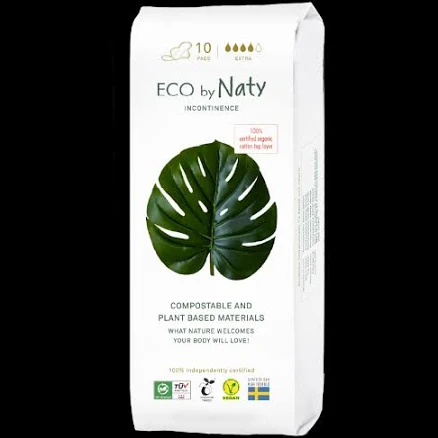
- Bamboo-derived viscose, cotton, plant-based absorbent core
- We found no PFAS statement from the brand
- Heavy metals
- Cellulose, superabsorbent polymer, cotton blend
- We found no PFAS statement from the brand
- Absorbent material degradation and bacterial growth
2 hazards checked on this product, all on its full breakdown.
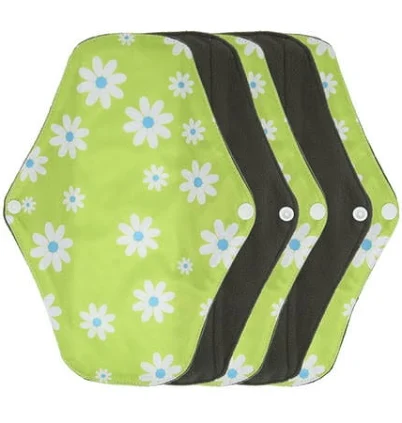
5pcs Bamboo Charcoal Washable Incontinence Pads
- bamboo charcoal textile, washable cotton-blend absorbent layer
- We found no PFAS statement from the brand
- Azo dyes and synthetic colorants
4 hazards checked on this product, all on its full breakdown.
More incontinence pads & protection grades
How we score, every product runs through the same public 0-100 rubric based on materials, coatings, brand disclosure, lab findings, and recalls. See the full methodology → Spotted a mistake? Report an error.