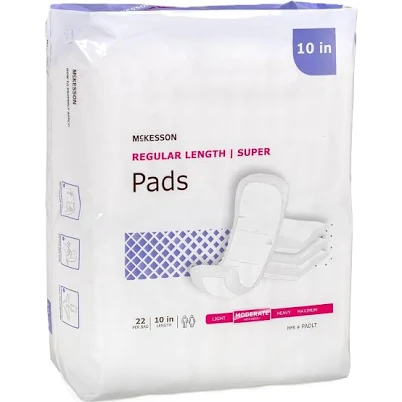
McKesson · Incontinence Pads & Protection
McKesson Super Regular Length Bladder Control Pads
Wait; unspecified waterproof treatments commonly use PFAS.
Bladder pads require waterproof barriers typically achieved with fluorinated coatings. The brand discloses no PFAS stance or material details, raising concern.
The better-graded swap
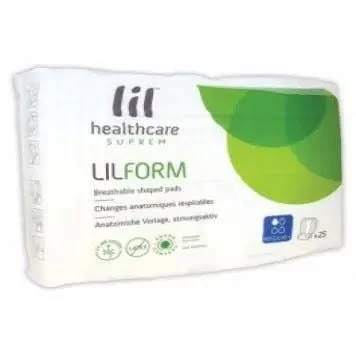
Lille
Suprem Form Regular Plus 1570ml 4 Packs Per Carton
70/100 safety
Same rubric that flunked this product. The swap earned Good.
Still want this one anyway? Check the price on Amazon. We’d swap it.
Material
cellulose core with synthetic absorbent layers and moisture-barrier coating
Brand disclosure
Brand is silent on PFAS
Lab data
No public lab test
You may also be interested in
Top-graded picks in the categories readers replace first, every one scored on the same rubric.

- polypropylene filter housing, carbon/sediment cartridge
- We found no PFAS statement from the brand
- Bacterial growth in spent cartridges
3 hazards checked on this product, all on its full breakdown.

Aquasure
Premier Series 75 GPD Under Sink Reverse Osmosis Water Filtration System
- RO membrane, carbon filters, stainless steel housing
- We found no PFAS statement from the brand
- Bacterial and microbial growth in housing and filters
4 hazards checked on this product, all on its full breakdown.

Avocado
Vegan Mattress
- organic cotton, natural latex, coconut coir, recycled steel coils
- The brand calls it PFAS-free, which we have not verified
- Heavy metals
2 hazards checked on this product, all on its full breakdown.
What McKesson Super Regular Length Control Pads is made of, ingredients and materials
McKesson BetterCare bladder control pads use a cellulose core (wood pulp) as the primary absorbent material, layered with synthetic polymers (likely polyethylene or polypropylene) for structural integrity and a moisture-barrier coating on the backing. The synthetic barrier prevents leakage but its composition is proprietary; such coatings in incontinence products commonly contain fluorinated compounds (PFAS) to achieve water repellency, though this is not publicly disclosed for this specific product. Cellulose itself is relatively inert, but the adhesives, binders, and barrier treatments are where chemical concerns typically emerge.
What’s concerning
Category baseline
The starting point for this type of product, before anything specific to this product is counted.
No PFAS disclosure
No public statement from the brand about PFAS in this product.
Waterproof / stain-resistant treatment
Water-repellent coating treatments have historically used PFAS.
Volatile organic compounds (VOCs) and off-gassing from synthetic polymer layers and adhesi
Incontinence pads contain polyethylene/polypropylene and urethane or acrylic adhesives; these can emit low levels of VOCs, especially if stored in warm conditions. Exposure is typically brief and localized, but individuals with chemical sensitivity may experience mild respiratory irritation or odor complaints.
Skin sensitization from adhesives and residual manufacturing residues
Pads contact sensitive perineal skin for extended periods; acrylate adhesives and trace solvents or monomers can trigger contact dermatitis in susceptible users. McKesson does not publish allergen patch-test data for this product line.
Bacterial or mold growth if pads remain damp or are stored improperly
Cellulose core can support microbial growth if humidity is high or pads are worn too long; this is a use/care issue rather than a manufacturing defect, but the porous materials create conditions for it.
What’s reassuring
Microplastic shedding from synthetic polymer fibers during use or washing
No published data on microplastic release from incontinence pads; however, cellulose-synthetic blends may shed microscopic fibers. Systemic risk is unknown but environmental persistence is a long-term concern for all synthetic absorbent products.
Heavy metals
BetterCare pads typically have printed branding or color patterns; manufacturers rarely disclose pigment composition. Risk is low if printing contacts intact skin only, but heavy metal contamination in dyes has been reported in some low-cost personal care products.
Source, FDA ↗How is this PFAS grade calculated?
The brand's record and disclosure
BetterCare (McKesson's private label) provides minimal transparency on material sourcing, chemical testing, or certifications for this product. No public statements on PFAS avoidance, heavy metal screening, or third-party safety audits appear in available product documentation or brand communications. McKesson as a distributor has not published safety reports specific to their incontinence pad line. Absence of disclosure does not confirm presence of hazards, but it does prevent independent verification of safety claims.
How it compares in its category
Most mass-market incontinence pads (Depends, Always Discreet, Tena) use similar cellulose-synthetic blends with moisture-barrier backings; few brands disclose PFAS use or test results. Premium or eco-focused alternatives (e.g., Naty, some institutional hospital brands) sometimes publish chemical-free or PFAS-free claims and third-party certifications. BetterCare sits in the standard commercial tier with typical opacity on coating chemistry, neither leading nor trailing in transparency relative to competitors.
If you buy it
Change pads regularly (every 3-4 hours or sooner if soaked) to prevent maceration and skin irritation from prolonged moisture exposure. Inspect pads before use for packaging damage, which could allow bacterial contamination during storage or transport. Store in a cool, dry place away from direct sunlight to prevent adhesive degradation. If skin irritation, rash, or odor develops, discontinue use and consider alternatives; individual sensitivity to synthetic materials or residual manufacturing chemicals can vary.
What is not known about PFAS in this product?
- Basis
- Model estimate, 35% confidence, not a lab result
- Lab test
- None on record for this exact product
- Brand statement
- McKesson has made none
Formulations change between production runs, so check the current label. How we grade.
What are the PFAS-free alternatives to McKesson Super Regular Length Bladder Control Pads?
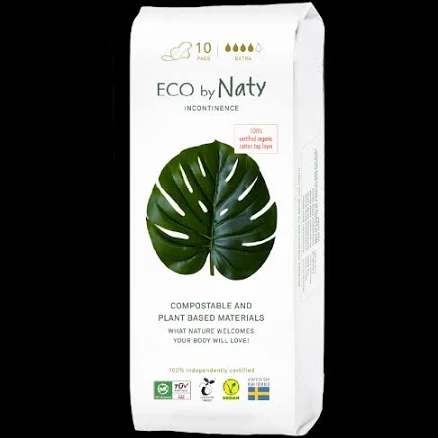
- Bamboo-derived viscose, cotton, plant-based absorbent core
- We found no PFAS statement from the brand
- Heavy metals
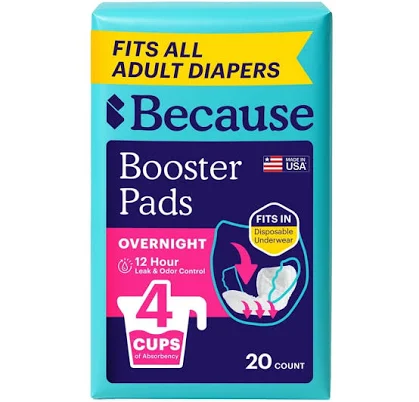
- Cellulose, superabsorbent polymer, cotton blend
- We found no PFAS statement from the brand
- Absorbent material degradation and bacterial growth
2 hazards checked on this product, all on its full breakdown.
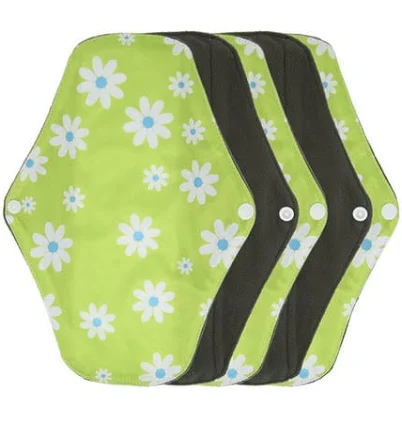
5pcs Bamboo Charcoal Washable Incontinence Pads
- bamboo charcoal textile, washable cotton-blend absorbent layer
- We found no PFAS statement from the brand
- Azo dyes and synthetic colorants
4 hazards checked on this product, all on its full breakdown.
More incontinence pads & protection grades
How we score, every product runs through the same public 0-100 rubric based on materials, coatings, brand disclosure, lab findings, and recalls. See the full methodology → Spotted a mistake? Report an error.