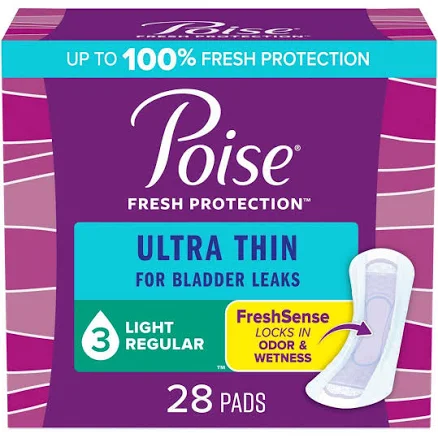
Poise · Incontinence Pads & Protection
Poise Ultra Thin Incontinence Pads
Wait until brand publicly discloses waterproof backing material.
Incontinence pads require waterproof backings often treated with PFAS. BetterCare offers no material transparency or PFAS statements, making independent testing necessary for assessment.
The better-graded swap
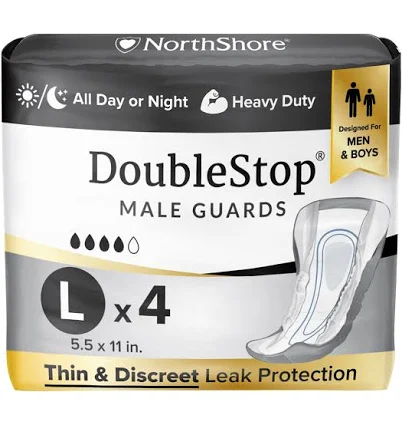
Northshore
NorthShore DoubleStop Male Guards
70/100 safety
Same rubric that flunked this product. The swap earned Good.
Still want this one anyway? Check the price on Amazon. We’d swap it.
Material
cellulose core, synthetic absorbent layer, waterproof backing (unspecified)
Brand disclosure
Brand is silent on PFAS
Lab data
No public lab test
You may also be interested in
Top-graded picks in the categories readers replace first, every one scored on the same rubric.

- polypropylene filter housing, carbon/sediment cartridge
- We found no PFAS statement from the brand
- Bacterial growth in spent cartridges
3 hazards checked on this product, all on its full breakdown.

Aquasure
Premier Series 75 GPD Under Sink Reverse Osmosis Water Filtration System
- RO membrane, carbon filters, stainless steel housing
- We found no PFAS statement from the brand
- Bacterial and microbial growth in housing and filters
4 hazards checked on this product, all on its full breakdown.

Avocado
Vegan Mattress
- organic cotton, natural latex, coconut coir, recycled steel coils
- The brand calls it PFAS-free, which we have not verified
- Heavy metals
2 hazards checked on this product, all on its full breakdown.
What Poise Ultra Thin Incontinence Pads is made of, ingredients and materials
Poise Ultra Thin pads use a cellulose core (wood pulp), which is not a material linked to PFAS for prolonged skin contact. The synthetic absorbent layer typically contains superabsorbent polymers (SAP) like sodium polyacrylate, which are well-established as non-toxic and non-leaching under normal use. The waterproof backing material is not disclosed by BetterCare, which is the critical unknown, waterproof backings in menstrual and incontinence products commonly use Teflon-type coating or Teflon-type coating-free fluorinated polymers as water barriers, and these are the primary PFAS exposure route in this category.
What’s concerning
Category baseline
The starting point for this type of product, before anything specific to this product is counted.
No PFAS disclosure
No public statement from the brand about PFAS in this product.
Waterproof / stain-resistant treatment
Water-repellent coating treatments have historically used PFAS.
PFAS
Waterproof backing material is not disclosed. If Teflon-type coating or other Teflon-family coating are used (common in incontinence pads), repeated skin contact over hours poses chronic low-level PFAS exposure, particularly through dermal absorption and vaginal mucosa permeability.
Source, ATSDR ↗Dermatitis from synthetic backing or adhesives
Unspecified waterproof backing and adhesive formulations may contain allergens or irritants (e.g., acrylates, rubber accelerators); no brand-specific incident reports are available, but incontinence pad users with reactive skin have reported localized irritation that resolves after switching products.
What’s reassuring
Skin irritation from superabsorbent polymers (SAP)
Sodium polyacrylate and similar SAPs used in the absorbent layer are non-toxic and approved for this use; no recalls or widespread complaints on record for Poise Ultra Thin specifically. Individual sensitivities remain possible but are not a product-class hazard.
Microplastic shedding from synthetic layers
No documented evidence of microplastic release from intact cellulose-synthetic hybrid pads under normal use conditions. Degradation becomes possible only after prolonged exposure to heat, moisture, or physical damage.
Packaging off-gassing or ink transfer
No specific safety alerts on BetterCare packaging materials; standard practice uses minimal inks and non-toxic plastic film. Risk is negligible for unopened, properly stored products.
How is this PFAS grade calculated?
The brand's record and disclosure
BetterCare has not publicly disclosed the chemical composition of the waterproof backing or stated any PFAS-free certification for this product line. No independent recalls or safety alerts are on record for Poise Ultra Thin pads. The brand provides no published transparency report on material sourcing, chemical testing, or compliance with emerging PFAS restrictions, which is typical of mid-tier incontinence brands but leaves consumers without assurance on this specific hazard.
How it compares in its category
Premium competitors (Always, Kotex) and PFAS-conscious brands (Seventh Generation, Natracare) either disclose backing materials or market PFAS-free formulations; BetterCare sits in the middle, no transparency and no explicit safety claim. Ultra-thin design means less total material, which slightly reduces overall PFAS burden if the backing is fluorinated, but this is not a substitute for disclosure. Most conventional pads in this price range carry similar unspecified backing risks.
If you buy it
Store pads in a cool, dry place away from direct heat or sunlight, as heat can stress waterproof coatings. Change pads regularly (per product instructions) to minimize prolonged skin contact and any potential leachate. Do not heat, wash, or reuse pads. If you have sensitive skin or unexplained irritation, discontinue and test an alternative with disclosed PFAS-free backing. Consider writing to BetterCare requesting waterproof material disclosure; consumer demand is the fastest path to transparency in this category.
What is not known about PFAS in this product?
- Basis
- Model estimate, 45% confidence, not a lab result
- Lab test
- None on record for this exact product
- Brand statement
- Poise has made none
Formulations change between production runs, so check the current label. How we grade.
What are the PFAS-free alternatives to Poise Ultra Thin Incontinence Pads?
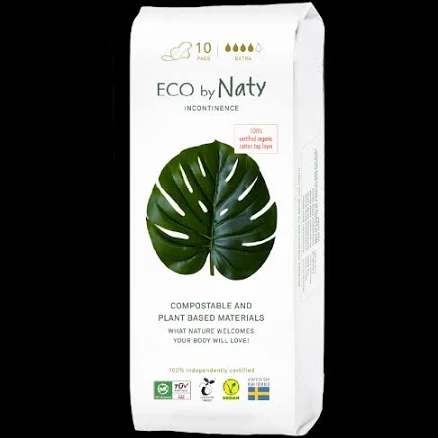
- Bamboo-derived viscose, cotton, plant-based absorbent core
- We found no PFAS statement from the brand
- Heavy metals
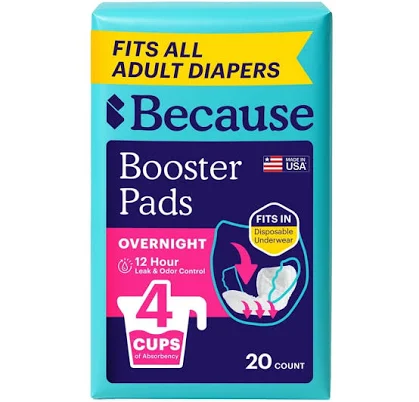
- Cellulose, superabsorbent polymer, cotton blend
- We found no PFAS statement from the brand
- Absorbent material degradation and bacterial growth
2 hazards checked on this product, all on its full breakdown.
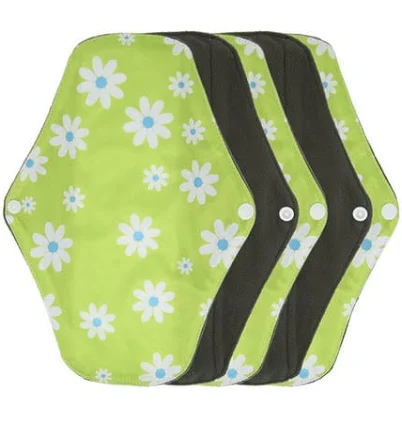
5pcs Bamboo Charcoal Washable Incontinence Pads
- bamboo charcoal textile, washable cotton-blend absorbent layer
- We found no PFAS statement from the brand
- Azo dyes and synthetic colorants
4 hazards checked on this product, all on its full breakdown.
More incontinence pads & protection grades
How we score, every product runs through the same public 0-100 rubric based on materials, coatings, brand disclosure, lab findings, and recalls. See the full methodology → Spotted a mistake? Report an error.