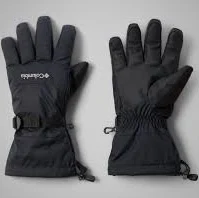
Columbia · Waterproof Winter Gloves
Columbia Men's Last Tracks II Gloves
High concern. water-repellent coating finish chemistry not disclosed.
These gloves have a water-repellent coating finish on the nylon shell. Columbia has no PFAS statement on record for this product. The water-repellent coating chemistry is not stated.
The better-graded swap
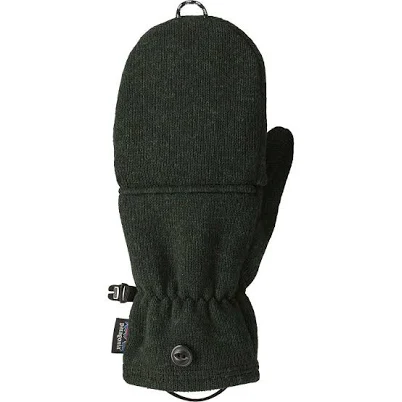
Patagonia
Better Sweater Gloves Patagonia Women's
90/100 safety
Same rubric that flunked this product. The swap earned Excellent.
Still want this one anyway? Check the price on Amazon. We’d swap it.
Material
synthetic insulation and nylon shell with water-repellent coating finish
Lab data
No public lab test
What Columbia Men's Last Tracks II Gloves is made of, ingredients and materials
The Last Tracks II gloves use a nylon shell (a synthetic polymer resistant to moisture and abrasion) combined with synthetic insulation, likely polyester or acrylic based on Columbia's typical construction. The water-repellent coating (water-repellent coating) finish applied to the nylon exterior is the material of concern, water-repellent coating coatings historically relied on long-chain PFAS (PFAS "forever chemicals") to achieve water shedding, though newer formulations may use shorter-chain alternatives or non-fluorinated options. Nylon and polyester themselves are stable at skin temperature and pose no established chemical leaching risk during normal wear.
What’s concerning
No PFAS disclosure
No public statement from the brand about PFAS in this product.
Category baseline
The starting point for this type of product, before anything specific to this product is counted.
Waterproof / stain-resistant treatment
Water-repellent coating treatments have historically used PFAS.
PFAS
Nylon shell almost certainly carries a water-repellent coating; Columbia discloses no alternative to fluorinated chemistry. Dermal exposure during wear is low, but hand-to-mouth transfer and laundering water runoff create pathways of concern, particularly for children or repeated use over years.
Source, ATSDR ↗Formaldehyde / VOCs
Nylon and polyester textiles may receive formaldehyde-containing resins for wrinkle resistance or color fastening. Winter gloves are typically lower-finish garments than dress wear, reducing likelihood, but no public test data confirms absence in the Last Tracks II.
Source, ATSDR ↗What’s reassuring
Synthetic insulation off-gassing (polyester or acrylic)
New synthetic insulation may release volatile organic compounds (VOCs) at low levels, typically detected as odor rather than toxicity. Airing gloves for 24-48 hours before use eliminates this concern. No product-specific off-gassing complaints are on record.
Heavy metals
Columbia's manufacturing typically meets EU and US dye safety standards. No recalls or testing data specific to this product suggest heavy metal or azo dye concerns. Dark colors and nylon shell material both suggest low migration risk.
Source, FDA ↗Glue or adhesive in seams or appliqués
Seamed gloves may use polyurethane or epoxy adhesives; these are stable when cured and pose no skin risk during normal wear. Only relevant if gloves are chewed (children) or heated above 60 degrees Celsius.
The full breakdown
The brand's record and disclosure
Columbia Sportswear has not published a dedicated PFAS reduction roadmap or transparency report on water-repellent coating chemistry as of available public records. The brand is not listed among signatories of the ROADMAP (Responsible Outdoor Apparel & Footwear Manufacturers Association) commitment to phase out long-chain PFAS. This silence reflects a broader industry pattern, most outerwear makers do not voluntarily disclose water-repellent coating formulation or fluorine content, making it impossible to confirm whether this product uses legacy or modern water-repellent coating chemistry. No product-specific recalls or safety warnings have been issued for these gloves.
How it compares in its category
Winter gloves across the market rely on water-repellent coating finishes almost universally; wool, fleece, and synthetic alternatives all commonly receive fluorinated or fluorine-free water repellent treatments. The Last Tracks II sits in Columbia's mid-range category and is typical in construction. Some premium brands (Patagonia, Arc'teryx) have committed to PFAS-free water-repellent coating alternatives, while budget and many mainstream brands including Columbia remain non-committal on chemical specifics. Gloves present lower PFAS exposure risk than larger garments (jackets, pants) owing to smaller surface area, though hand-to-mouth contact and infant/child use elevate concern slightly.
If you buy it
Wash gloves in cool water before first use to reduce residual chemical finish. Avoid prolonged mouth contact (especially for children) and do not use for food handling or child teething. Reapply water-repellent coating after 10-15 washes using retail products; this extends the lifespan of the original treatment and may allow use of a known PFAS-free alternative if available. Discard gloves if the nylon shell tears, seams fail, or insulation clumps unevenly; these are functional end-of-life indicators, not chemical hazard signs, but replacement reduces cumulative PFAS exposure from a degraded coating.
What we don’t know
- Basis
- Model estimate, 45% confidence, not a lab result
- Lab test
- None on record for this exact product
- Brand statement
- Columbia has made a specific claim
Formulations change between production runs, so check the current label. How we grade.
Better-graded alternatives in Waterproof Winter Gloves
Patagonia
Better Sweater Gloves Patagonia Women's
- Polyester fleece (recycled)
- The brand calls it PFAS-free, which we have not verified
- Heavy metals
2 hazards checked on this product. See all of them.
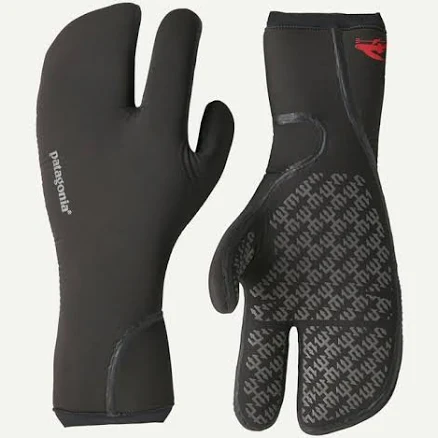
Patagonia
R4 Yulex Regulator Three Finger Mitts
- Yulex (synthetic rubber), neoprene-free alternative
- The brand calls it PFAS-free, which we have not verified
- Allergic contact dermatitis (rubber/guayule sensitivity)
2 hazards checked on this product. See all of them.
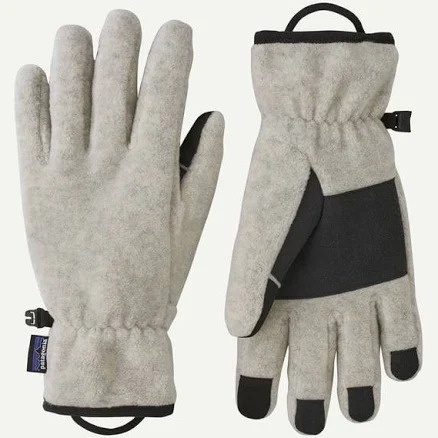
Patagonia
Synchilla Gloves
- Polyester fleece (Synchilla®); no water-repellent treatment disclosed
- The brand calls it PFAS-free, which we have not verified
- Microplastics
2 hazards checked on this product. See all of them.
More waterproof winter gloves grades
How we score, every product runs through the same public 0-100 rubric based on materials, coatings, brand disclosure, lab findings, and recalls. See the full methodology → Spotted a mistake? Report an error.