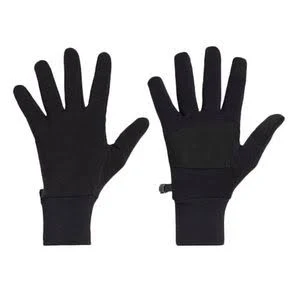
Icebreaker · Waterproof Winter Gloves
Icebreaker unisex sierra gloves - BLACK xl
water-repellent coating finish on merino wool blend raises concern without disclosure of coating chemistry.
These Sierra gloves pair merino wool with a water-repellent coating water-repellent finish. The wool base poses lower PFAS concern than synthetics, but water-repellent coating treatments have historically used PFAS. Icebreaker has no PFAS statement on record and has not disclosed the chemistry of this glove's water-repellent coating.
The better-graded swap
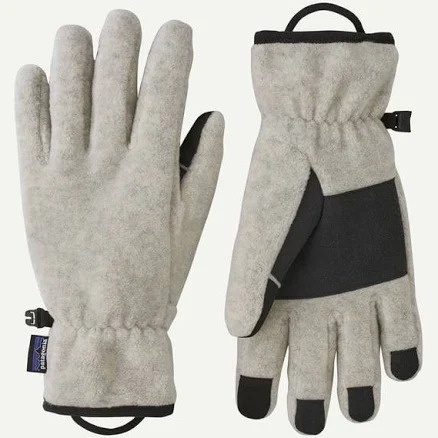
Patagonia
Patagonia Synchilla Gloves
90/100 safety
Same rubric that flunked this product. The swap earned Excellent.
Still want this one anyway? Check the price on Amazon. We’d swap it.
Material
merino wool blend with water-repellent coating water-repellent finish
Brand disclosure
Brand is silent on PFAS
Lab data
No public lab test
What Icebreaker unisex sierra gloves - BLACK xl is made of, ingredients and materials
These gloves are a merino wool blend (typically 60-80% merino, remainder synthetic fibers for durability) with a water-repellent coating (water-repellent coating) finish applied to the fabric surface. Merino wool itself is a natural protein fiber with no established toxicity concerns at the fiber level. The water-repellent coating finish is the key variable, historically, most textile water-repellent coating treatments used long-chain PFOA or PFOS (legacy forever chemicals), but many brands including Icebreaker have migrated to shorter-chain or non-fluorine alternatives in recent years. Icebreaker has not publicly disclosed which water-repellent coating chemistry it uses on this product.
What’s concerning
Category baseline
The starting point for this type of product, before anything specific to this product is counted.
No PFAS disclosure
No public statement from the brand about PFAS in this product.
Waterproof / stain-resistant treatment
Water-repellent coating treatments have historically used PFAS.
PFAS
Icebreaker has not disclosed whether this glove uses legacy PFOA/PFOS or newer alternatives; most wool water-repellent coating treatments still rely on fluorine-based chemistry, creating potential skin contact exposure during wear, though at levels below established health thresholds.
Source, ATSDR ↗Synthetic fiber blend contaminants
The non-wool portion (likely nylon, polyester, or acrylic) may contain residual monomers, antimony catalysts, or plasticizers; however, small percentages and external placement in a glove limit direct skin ingestion risk.
water-repellent coating finish degradation and microparticle shedding
As the water-repellent coating wears, microscopic particles of the finish may shed into washing water or onto skin; this is a physical rather than chemical hazard, but composition unknown without brand disclosure.
What’s reassuring
Formaldehyde / VOCs
Merino wool fabrics can be treated with formaldehyde resins to improve felting resistance, but Icebreaker products are not flagged in independent testing records for formaldehyde content, and merino is typically finished more gently than synthetic blends.
Source, ATSDR ↗Azo dyes and synthetic dye contamination
Black dyed merino wool can carry heavy metal azo dyes, but Icebreaker uses controlled dyeing processes and is not on record for dyestuff violations; no specific cadmium or lead reports exist for this brand.
The full breakdown
The brand's record and disclosure
Icebreaker is a New Zealand-owned wool specialist acquired by Smartwool's parent company and known for environmental positioning, yet maintains minimal public transparency on chemical treatments and PFAS policies. The brand does not appear in major PFAS-commitments databases (e.g., ZDHC MRSL signatories or Greenpeace detox campaign lists). No recalls, heavy metal contamination reports, or formaldehyde violations are on record for Icebreaker gloves. The brand's silence on water-repellent coating chemistry is noteworthy given increasing competitor disclosure.
How it compares in its category
Merino wool gloves present lower concern than synthetic insulation (which may contain flame retardants or microplastic shedding risk) and lower concern than fleece with heavy chemical finishing. Among merino brands, Icebreaker's lack of transparency is slightly weaker than competitors like Patagonia (which discloses its PFAS alternatives on some products) or brands with GOTS or bluesign certification. However, merino gloves as a category avoid many hazards inherent to plastic-based winter wear (phthalates, antimony in polyester, volatile off-gassing).
If you buy it
Wash in cool water with mild detergent to preserve the water-repellent coating finish and avoid degradation that could expose the coating chemistry. Do not machine dry or expose to high heat, as this can damage fibers and potentially accelerate finish breakdown. Merino wool naturally resists odor, so frequent washing is unnecessary (every 5-10 wears is typical). Replace gloves when seams separate, water-repellent coating beading visibly fails, or fibers pill severely, not due to any acute safety trigger.
What we don’t know
- Basis
- Model estimate, 62% confidence, not a lab result
- Lab test
- None on record for this exact product
- Brand statement
- Icebreaker has made none
Formulations change between production runs, so check the current label. How we grade.
Better-graded alternatives in Waterproof Winter Gloves
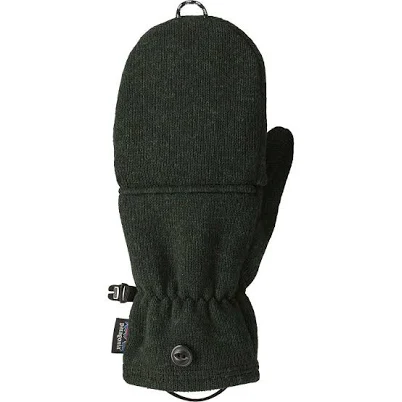
Patagonia
Better Sweater Gloves Patagonia Women's
- Polyester fleece (recycled)
- The brand calls it PFAS-free, which we have not verified
- Heavy metals
2 hazards checked on this product. See all of them.
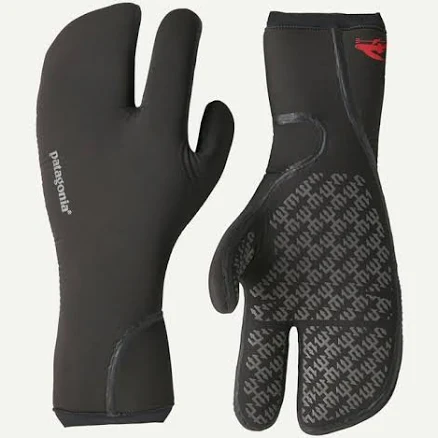
Patagonia
R4 Yulex Regulator Three Finger Mitts
- Yulex (synthetic rubber), neoprene-free alternative
- The brand calls it PFAS-free, which we have not verified
- Allergic contact dermatitis (rubber/guayule sensitivity)
2 hazards checked on this product. See all of them.
Patagonia
Synchilla Gloves
- Polyester fleece (Synchilla®); no water-repellent treatment disclosed
- The brand calls it PFAS-free, which we have not verified
- Microplastics
2 hazards checked on this product. See all of them.
More waterproof winter gloves grades
How we score, every product runs through the same public 0-100 rubric based on materials, coatings, brand disclosure, lab findings, and recalls. See the full methodology → Spotted a mistake? Report an error.