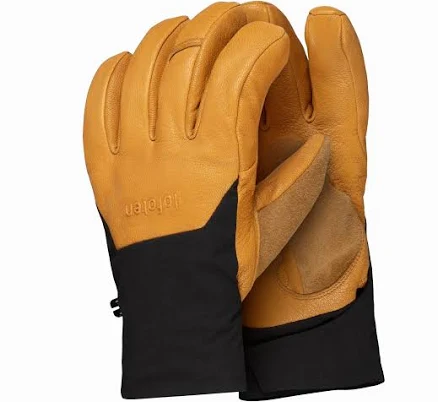
Norrona · Waterproof Winter Gloves
Norrøna Lofoten Gore-Tex Thermo100 Short Gloves
High PFAS risk from Gore-Tex membrane; brand offers no transparency.
These gloves use Gore-Tex, a Teflon-type coating Teflon-family coating that contains PFAS. Norrøna hasn't disclosed PFAS information or alternatives for this model.
The better-graded swap
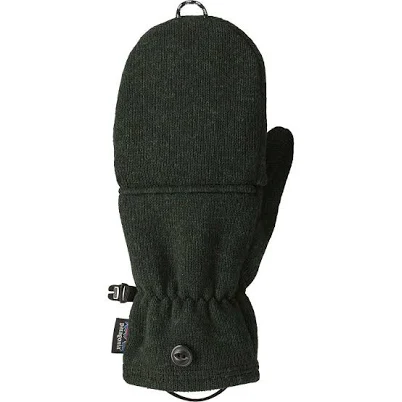
Patagonia
Better Sweater Gloves Patagonia Women's
90/100 safety
Same rubric that flunked this product. The swap earned Excellent.
Still want this one anyway? Check the price on Amazon. We’d swap it.
Material
Gore-Tex membrane (Teflon-type coating-based) + synthetic shell
Brand disclosure
Brand is silent on PFAS
Lab data
No public lab test
What Norrøna Lofoten Gore-Tex Thermo100 Short is made of, ingredients and materials
Norrøna Lofoten Thermo100 uses a Gore-Tex membrane, which is expanded polytetrafluoroethylene (Teflon-type coating) bonded to synthetic shell layers. Gore-Tex is prized for breathability and water resistance, but Teflon-type coating manufacturing and the membrane itself contain PFAS "forever chemicals" (PFAS) that persist indefinitely in the environment and body. The Thermo100 variant adds thermal lining (likely polyester or fleece) to the waterproof shell. These materials do not off-gas formaldehyde or other volatile organics at typical hand temperatures.
What’s concerning
Category baseline
The starting point for this type of product, before anything specific to this product is counted.
No PFAS disclosure
No public statement from the brand about PFAS in this product.
Waterproof / stain-resistant treatment
Water-repellent coating treatments have historically used PFAS.
Teflon-type coating membrane degradation and microfiber release
Gore-Tex membranes can tear, fray, or develop porosity over time, potentially releasing Teflon-type coating microfibers into air and water. Gloves are lower-risk than larger garments, but hand-mouth contact and washing increase exposure risk.
Azo dyes in colored shells
If the shell or lining is dyed, synthetic textiles in outdoor apparel may use azo dyes that can break down under UV exposure or skin moisture to release aromatic amines. Norrøna has not disclosed dye chemistry for this product.
Antimony in polyester content
Polyester thermal linings may contain antimony trioxide as a catalyst residue from production. Skin contact with gloves results in minimal antimony leaching, but residue accumulation is not documented.
What’s reassuring
Synthetic shell and lining off-gassing
Polyester and nylon shells used in these gloves do not typically off-gas formaldehyde or volatile organics at hand temperature. No specific contamination has been reported for Norrøna glove linings.
Flame retardants
Winter gloves are not typically treated with flame retardant coatings. No flame retardant chemicals have been reported in Gore-Tex or Norrøna products of this type.
Source, EPA ↗The full breakdown
The brand's record and disclosure
Norrøna is a Norwegian outdoor apparel company with a sustainability-focused public image, but the company has not issued specific commitments to eliminate PFAS from products or published transparency reports on chemical use. No independent certifications (like Bluesign, GOTS, or formal PFAS-free claims) are attached to this glove line. The brand's silence on PFAS in waterproof products suggests reliance on industry-standard Teflon-type coating-based membranes without differentiation or lower-concern alternatives.
How it compares in its category
Nearly all high-performance waterproof winter gloves use either Teflon-type coating-based membranes (Gore-Tex, Polartec Neoshell) or polyurethane-laminate shells, all of which carry PFAS exposure. Norrøna does not market a PFAS-reduced alternative for this glove; competitors like Hestra and some Mammut lines also rely on Gore-Tex. Gloves worn on hands present lower total PFAS dose than larger garments, but the exposure is still persistent. Wool or untreated synthetic shells offer waterproofing without the material being linked to PFAS, but sacrifice breathability.
If you buy it
Rinse gloves periodically with lukewarm water to remove surface contaminants and sweat that may carry PFAS. Store in a cool, dry place away from direct heat or sunlight, as heat can degrade the Gore-Tex membrane and potentially mobilize PFAS compounds. Avoid machine washing at high temperatures; hand wash gently if needed. Replace when the membrane loses water repellency (typically 3-5 years of regular use), and do not reuse or donate once degraded, as torn Teflon-type coating can release microfiber.
What we don’t know
- Basis
- Model estimate, 62% confidence, not a lab result
- Lab test
- None on record for this exact product
- Brand statement
- Norrona has made none
Formulations change between production runs, so check the current label. How we grade.
Better-graded alternatives in Waterproof Winter Gloves
Patagonia
Better Sweater Gloves Patagonia Women's
- Polyester fleece (recycled)
- The brand calls it PFAS-free, which we have not verified
- Heavy metals
2 hazards checked on this product. See all of them.
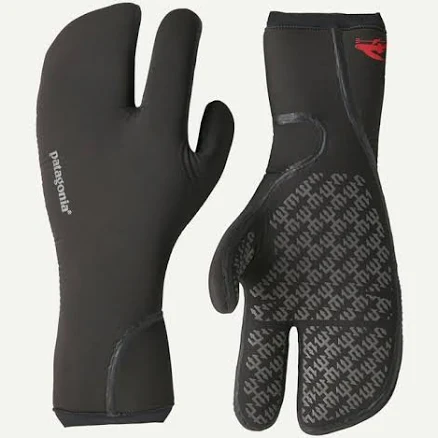
Patagonia
R4 Yulex Regulator Three Finger Mitts
- Yulex (synthetic rubber), neoprene-free alternative
- The brand calls it PFAS-free, which we have not verified
- Allergic contact dermatitis (rubber/guayule sensitivity)
2 hazards checked on this product. See all of them.
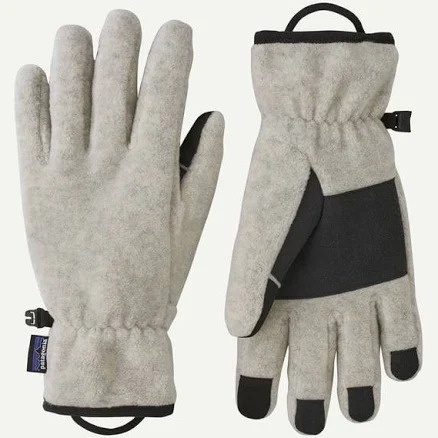
Patagonia
Synchilla Gloves
- Polyester fleece (Synchilla®); no water-repellent treatment disclosed
- The brand calls it PFAS-free, which we have not verified
- Microplastics
2 hazards checked on this product. See all of them.
More waterproof winter gloves grades
How we score, every product runs through the same public 0-100 rubric based on materials, coatings, brand disclosure, lab findings, and recalls. See the full methodology → Spotted a mistake? Report an error.