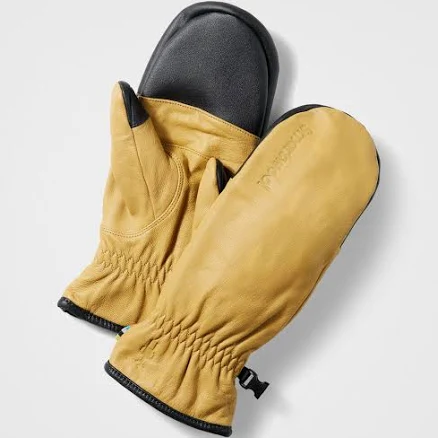
Smartwool · Waterproof Winter Gloves
Smartwool Ridgeway Lined Mitten
Lower baseline, but Smartwool hasn't disclosed water-repellent coating chemistry for this product.
These Smartwool mittens use merino wool and fleece, both lower-risk base materials. The water-repellent coating treatment formula isn't disclosed, a common PFAS source in outdoor apparel not addressed by the brand.
The better-graded swap
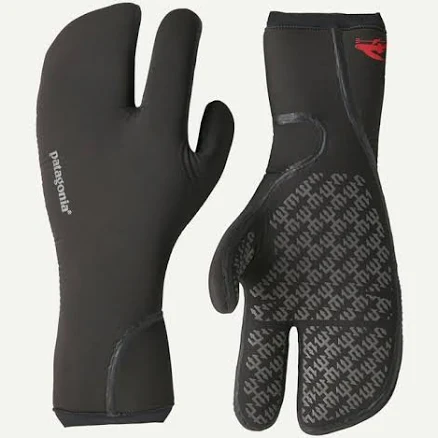
Patagonia
Patagonia R4 Yulex Regulator Three Finger Mitts
90/100 safety
Same rubric that flunked this product. The swap earned Excellent.
Still want this one anyway? Check the price on Amazon. We’d swap it.
Material
Merino wool with fleece lining; water-repellent coating treatment unspecified
Brand disclosure
Brand is silent on PFAS
Lab data
No public lab test
What Smartwool Ridgeway Lined Mitten is made of, ingredients and materials
The Ridgeway Lined Mitten uses Merino wool as the primary material with a fleece lining, both natural fibers with established safety profiles. The critical unknown is the water-repellent coating (water-repellent coating) treatment applied to achieve waterproofing; Smartwool has not publicly disclosed whether this uses fluorochemicals (PFAS-based) or alternative chemistries. Merino wool itself does not bioaccumulate toxins and resists microbial growth naturally, making it a textile base with lower concern for extended skin contact.
What’s concerning
Category baseline
The starting point for this type of product, before anything specific to this product is counted.
No PFAS disclosure
No public statement from the brand about PFAS in this product.
Waterproof / stain-resistant treatment
Water-repellent coating treatments have historically used PFAS.
water-repellent coating treatment chemistry (unspecified fluorochemicals or alternatives)
Smartwool has not disclosed water-repellent coating formulation for this product. Industry baseline suggests likely use of C6 or C8 fluorochemicals, which persist in the environment and human tissue, though direct skin exposure risk from finished garment is lower than manufacturing/laundering.
Fleece lining microfiber shedding or pilling
Synthetic fleece linings shed microfibers with wear and washing; this is a general hazard of mixed-fiber construction. Merino wool does not shed microplastics, but the fleece backing may contribute low levels of synthetic particulates during use, though not a direct toxicological hazard.
What’s reassuring
Formaldehyde / VOCs
No recalls or warnings on record for Smartwool Merino wool products. Merino is processed with fewer harsh chemical cross-linkers than synthetic blends, and Smartwool does not use formaldehyde-releasing finishes on Merino lines as standard practice.
Source, ATSDR ↗Heavy metals
No documented issues with Smartwool dyes; the brand sources primarily from tanneries in New Zealand and Australia with basic environmental oversight. Merino's natural lanolin requires minimal toxic dyes to achieve saturation.
Source, FDA ↗Allergen risk from Merino lanolin or dyes
Merino lanolin is well-tolerated on skin and rarely triggers contact dermatitis. No widespread reports of allergic reactions to Smartwool Merino mittens; however, individuals with wool sensitivity should patch-test before extended wear.
The full breakdown
The brand's record and disclosure
Smartwool (owned by VF Corporation) has not published detailed chemical disclosures for individual products or made public commitments to PFAS-free water-repellent coating treatments. The company holds some sustainability certifications but has been silent on fluorochemical phase-out timelines, which is notable given that many competitors in the premium outdoor sector have begun transparency initiatives. No major recalls or formaldehyde/dye controversies have been documented for Smartwool products.
How it compares in its category
Merino wool mittens with water-repellent coating treatments are mid-tier in waterproof glove safety. Many synthetic alternatives (polyester with polyurethane coatings) carry higher flame retardant and VOC off-gassing risk. Some premium competitors (Patagonia, Arc'teryx) have begun disclosing non-fluorinated water repellent options, whereas Smartwool's silence suggests reliance on conventional formulations. Unlined wool mittens avoid fleece lining entirely but sacrifice insulation.
If you buy it
Wash separately in cool water with mild detergent to avoid activating or releasing residual water-repellent coating chemicals; avoid hot water and dryers, which can degrade fibers and coating durability. Inspect periodically for pilling or coating loss; once water repellency visibly fails, the glove's protective function is compromised and replacement is appropriate. Do not dry-clean with standard solvents, as this may mobilize water-repellent coating residues. Store dry to prevent mold growth, which is rare in Merino but possible in damp fleece lining.
What we don’t know
- Basis
- Model estimate, 62% confidence, not a lab result
- Lab test
- None on record for this exact product
- Brand statement
- Smartwool has made none
Formulations change between production runs, so check the current label. How we grade.
Better-graded alternatives in Waterproof Winter Gloves
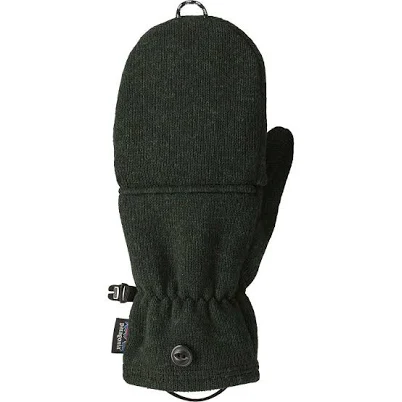
Patagonia
Better Sweater Gloves Patagonia Women's
- Polyester fleece (recycled)
- The brand calls it PFAS-free, which we have not verified
- Heavy metals
2 hazards checked on this product. See all of them.
Patagonia
R4 Yulex Regulator Three Finger Mitts
- Yulex (synthetic rubber), neoprene-free alternative
- The brand calls it PFAS-free, which we have not verified
- Allergic contact dermatitis (rubber/guayule sensitivity)
2 hazards checked on this product. See all of them.
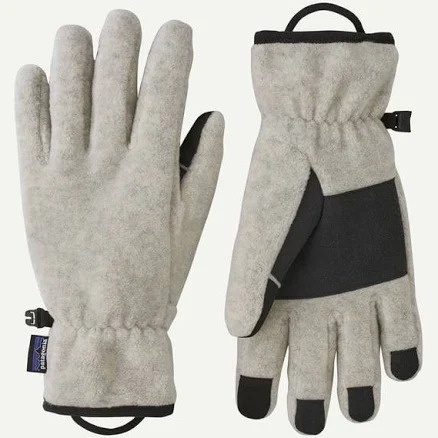
Patagonia
Synchilla Gloves
- Polyester fleece (Synchilla®); no water-repellent treatment disclosed
- The brand calls it PFAS-free, which we have not verified
- Microplastics
2 hazards checked on this product. See all of them.
More waterproof winter gloves grades
How we score, every product runs through the same public 0-100 rubric based on materials, coatings, brand disclosure, lab findings, and recalls. See the full methodology → Spotted a mistake? Report an error.