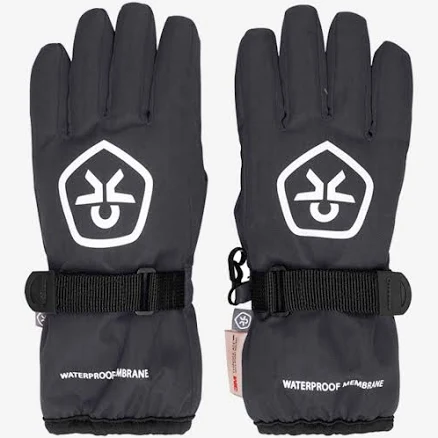
Waterproof Ski Gloves
A water-repellent or grease-resistant treatment of unstated chemistry, and no PFAS statement from the brand.
The brand has published no PFAS statement for this product that we could find. Its record describes a water-repellent or grease-resistant treatment of unstated chemistry, which is still counted.
The better-graded swap
Patagonia
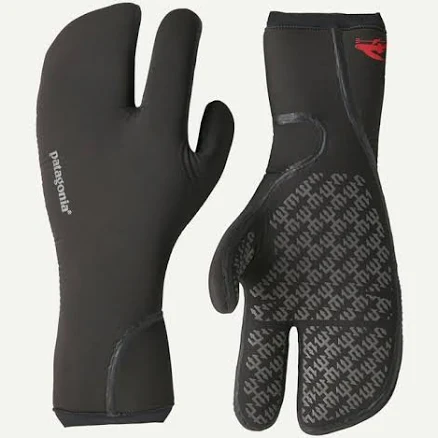
Patagonia R4 Yulex Regulator Three Finger Mitts
90/100 safety
Same rubric that flunked this product. The swap earned Excellent.
Still want this one anyway? Check the price on Amazon. We’d swap it.
Material
recycled nylon with water-repellent treatment
Brand disclosure
Brand is silent on PFAS
Lab data
No public lab test
What Waterproof Ski Gloves is made of, ingredients and materials
These gloves are constructed from recycled nylon, a durable synthetic polymer with no inherent toxicity hazards. The waterproofing comes from an applied water-repellent treatment of unstated chemical composition. Recycled nylon is chemically stable and does not shed microplastics under normal winter-glove use, since the fiber is not consumed or degraded by the wearer. The hazard lies entirely in the finish applied to achieve water repellency, not the base material.
What’s concerning
No PFAS disclosure
No public statement from the brand about PFAS in this product.
Category baseline
The starting point for this type of product, before anything specific to this product is counted.
Waterproof / stain-resistant treatment
Water-repellent coating treatments have historically used PFAS.
PFAS
The unstated chemistry of the water-repellent treatment is the core safety issue. Industry-standard water-repellent coating coatings historically used PFOA or GenX; The brand's silence suggests no clear commitment to alternatives. Skin contact during wear and wash-water leaching are the main exposure routes.
Source, ATSDR ↗Azo dyes and colorfast risks
Product colorants are not disclosed. If non-premium azo dyes were used, prolonged moisture exposure (e.g., sweating, washing) could release aromatic amines. Recycled fibers may use dye stocks with lower concern for certain hazards, but the brand does not certify this.
Coating degradation and leaching over time
The water-repellent finish will degrade with washing and wear. As it breaks down, any chemical residues or unlabeled components may leach into wash water or sweat. The brand's lack of disclosure makes it impossible to assess what enters the environment or skin contact.
What’s reassuring
Formaldehyde / VOCs
No evidence that the brand's recycled nylon gloves use formaldehyde-based binders or cross-linkers. Recycled nylon production typically avoids legacy resin chemistry, but brand does not confirm. No recalls or complaints on record.
Source, ATSDR ↗Microplastics
Nylon gloves do not shed microfibers under normal use or hand washing. The material is stable and does not degrade from thermal, mechanical, or aquatic stress during typical winter-glove duty. No risk identified.
Source, EPA ↗The full breakdown
The brand's record and disclosure
The brand markets itself as a sustainability-focused brand but has made no public statement about the chemistry of the water-repellent treatment on these gloves. The brand has not published a PFAS policy or confirmed whether durable water repellents in their products are PFAS-free. This silence is notable given industry-wide shift toward transparency on PFAS use in water-resistant apparel. Without third-party certification or brand disclosure, the specific chemistry of the finish cannot be verified.
How it compares in its category
Waterproof ski gloves typically rely on one of three water-repellency approaches, PFAS-based durable water repellents (water-repellent coating), alternatives like silicones or waxes, or physical barriers such as Gore-Tex membranes. The brand's approach is opaque, making direct comparison difficult. Brands that explicitly state PFAS-free or publish third-party test results (e.g., certifications from Oeko-Tex or bluesign) provide clearer risk profiles. Without such transparency, these gloves fall into a middle tier of uncertainty.
If you buy it
Wash gloves in cool water by hand; heat can stress the finish and any potential leaching pathways. Avoid dry cleaning and commercial laundry, which may damage or strip the water-repellent layer. Expect the water-repellent coating finish to degrade after 50-100 washes; reapplication products (many of which also contain PFAS) can extend life but introduce the same uncertainty. Store dry and uncompressed to slow finish degradation.
What we don’t know
- Basis
- Model estimate, 75% confidence, not a lab result
- Lab test
- None on record for this exact product
- Brand statement
- has made none
Formulations change between production runs, so check the current label. How we grade.
Better-graded alternatives in Waterproof Winter Gloves
Patagonia
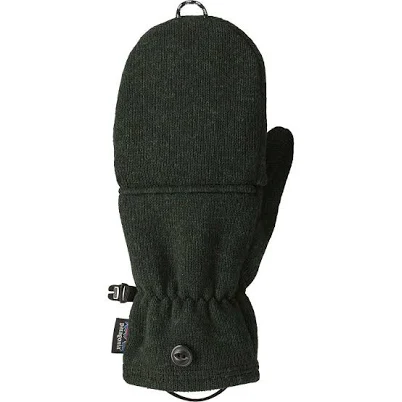
Better Sweater Gloves Patagonia Women's
- Polyester fleece (recycled)
- The brand calls it PFAS-free, which we have not verified
- Heavy metals
2 hazards checked on this product. See all of them.
Patagonia
R4 Yulex Regulator Three Finger Mitts
- Yulex (synthetic rubber), neoprene-free alternative
- The brand calls it PFAS-free, which we have not verified
- Allergic contact dermatitis (rubber/guayule sensitivity)
2 hazards checked on this product. See all of them.
Patagonia
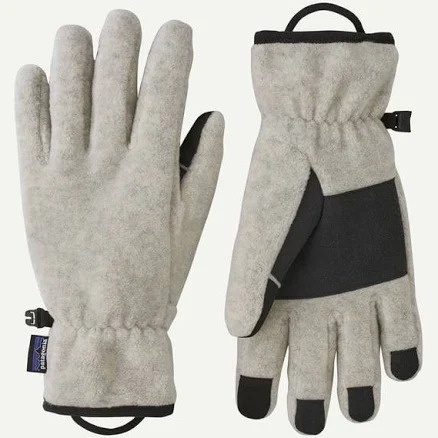
Synchilla Gloves
- Polyester fleece (Synchilla®); no water-repellent treatment disclosed
- The brand calls it PFAS-free, which we have not verified
- Microplastics
2 hazards checked on this product. See all of them.
More waterproof winter gloves grades
How we score, every product runs through the same public 0-100 rubric based on materials, coatings, brand disclosure, lab findings, and recalls. See the full methodology → Spotted a mistake? Report an error.