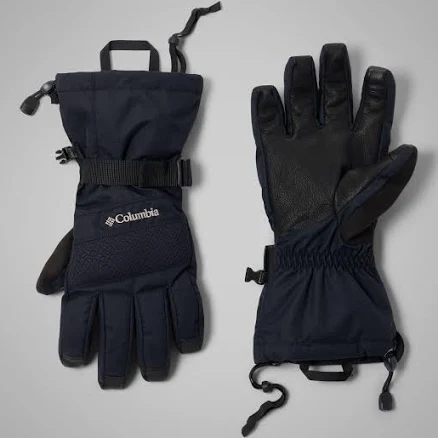
Columbia · Waterproof Winter Gloves
Columbia Men's Whirlibird III Gloves
Skip these gloves unless Columbia certifies them PFAS-free.
These Columbia winter gloves have a water-repellent outer layer, but the brand won't say what water-repellent coating chemical is used or whether it's PFAS-free. Waterproof apparel typically relies on PFAS-based treatments without transparent confirmation.
The better-graded swap
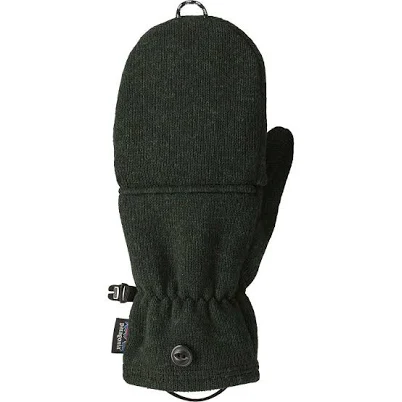
Patagonia
Better Sweater Gloves Patagonia Women's
90/100 safety
Same rubric that flunked this product. The swap earned Excellent.
Still want this one anyway? Check the price on Amazon. We’d swap it.
Material
Synthetic outer shell with water-repellent coating water-repellent coating (type unspecified)
Lab data
No public lab test
What Columbia Men's Whirlibird III Gloves is made of, ingredients and materials
The Whirlibird III uses a synthetic outer shell (likely polyester or nylon blend) with a water-repellent coating (water-repellent coating) coating applied to the surface. water-repellent coating coatings shed water without creating a fully waterproof barrier; the type here is unspecified by Columbia, which is the core safety gap. Synthetic glove shells are generally inert when worn normally, but the applied finish is where chemical exposure risk concentrates. water-repellent coating durability degrades with washing and use, meaning the coating sheds microparticles and eventually loses function.
What’s concerning
Category baseline
The starting point for this type of product, before anything specific to this product is counted.
No PFAS disclosure
No public statement from the brand about PFAS in this product.
Waterproof / stain-resistant treatment
Water-repellent coating treatments have historically used PFAS.
PFAS
Undisclosed water-repellent coating type means PFAS-based Teflon-family coating cannot be ruled out. Most conventional glove coatings still use long-chain PFAS; short-chain and non-PFAS alternatives exist but Columbia does not confirm use here. Skin contact during normal wear poses minimal ingestion risk, but cumulative microparticle shedding into environment is documented.
Source, ATSDR ↗Coating microparticle shedding
As water-repellent coating wears, synthetic flakes and polymer particles shed into the environment and potentially contact skin, especially if gloves are heavily used in wet conditions. This is not a toxicological hazard in the classical sense but an accumulation pathway for coating chemicals. Regular washing accelerates this process.
What’s reassuring
Synthetic dyes and azo compounds
No recalls or reports of azo dye or heavy-metal contamination in Columbia gloves. Synthetic outer shells typically use colorfast disperse dyes that do not readily leach under normal use conditions. Risk rises only if gloves are exposed to high heat (e.g., direct flame) or worn in highly acidic/alkaline conditions, neither typical.
Formaldehyde / VOCs
No public record of formaldehyde-resin treatment in Columbia Whirlibird gloves. Most modern synthetic glove linings and shells skip formaldehyde finishing; risk is low unless product is old stock or sourced from non-standard suppliers.
Source, ATSDR ↗Flame retardants
Winter gloves are not regulated for flame retardancy and Columbia does not advertise flame-retardant treatment in this model. No evidence of added flame retardants in public records. Risk is negligible unless the glove is deliberately marketed for extreme-heat protection.
Source, EPA ↗The full breakdown
The brand's record and disclosure
Columbia does not publicly disclose water-repellent coating chemistry for this product or provide PFAS-free certification. The company has not signed major PFAS elimination pledges (unlike some competitors in outdoor apparel). Columbia's general sustainability reporting focuses on labor and packaging, not chemical inputs. This silence is standard in the glove category but leaves consumers without confirmation of lower-concern alternatives.
How it compares in its category
Most winter gloves use water-repellent coating-coated synthetics; the Whirlibird III is mainstream, not outlier. Some brands (Patagonia, Arc'teryx) have committed to PFAS-free water-repellent coating; most major brands (Columbia, The North Face, Salomon) have not. Uncoated wool or wool-blend gloves avoid water-repellent coating entirely but sacrifice water repellency. The Whirlibird sits in the conventional middle, reliable waterproofing with undisclosed chemistry.
If you buy it
Store gloves in cool, dry conditions away from direct heat or sunlight, which can accelerate coating degradation. Wash infrequently and gently; each wash reduces water-repellent coating performance and may release microparticles. Replace when water no longer beads on the surface (typically 2-3 seasons of regular use). Avoid dryer heat; air-dry only. If hand sensitivity or rash develops after use, consider dermatitis from coating particles or dyes rather than the shell itself.
What we don’t know
- Basis
- Model estimate, 45% confidence, not a lab result
- Lab test
- None on record for this exact product
- Brand statement
- Columbia has made a specific claim
Formulations change between production runs, so check the current label. How we grade.
Better-graded alternatives in Waterproof Winter Gloves
Patagonia
Better Sweater Gloves Patagonia Women's
- Polyester fleece (recycled)
- The brand calls it PFAS-free, which we have not verified
- Heavy metals
2 hazards checked on this product. See all of them.
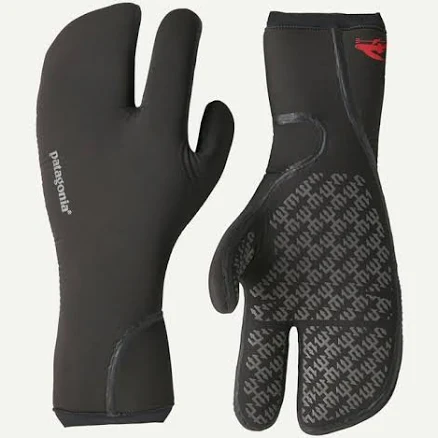
Patagonia
R4 Yulex Regulator Three Finger Mitts
- Yulex (synthetic rubber), neoprene-free alternative
- The brand calls it PFAS-free, which we have not verified
- Allergic contact dermatitis (rubber/guayule sensitivity)
2 hazards checked on this product. See all of them.
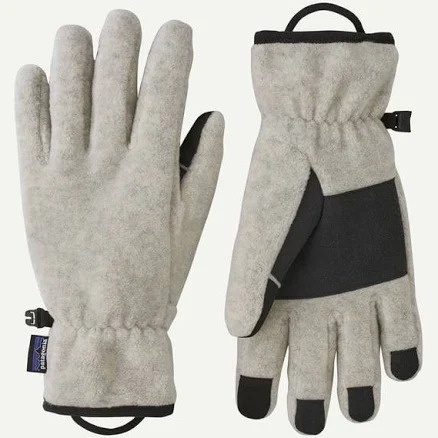
Patagonia
Synchilla Gloves
- Polyester fleece (Synchilla®); no water-repellent treatment disclosed
- The brand calls it PFAS-free, which we have not verified
- Microplastics
2 hazards checked on this product. See all of them.
More waterproof winter gloves grades
How we score, every product runs through the same public 0-100 rubric based on materials, coatings, brand disclosure, lab findings, and recalls. See the full methodology → Spotted a mistake? Report an error.