· Incontinence Pads & Protection
Disposable Bladder Control Pad 35641
High risk; skip until the brand discloses waterproof backing composition.
The brand does not specify the chemical composition of the waterproof backing layer, a primary PFAS-risk point. Incontinence pads typically require water-resistant coatings historically reliant on fluorinated compounds.
The better-graded swap
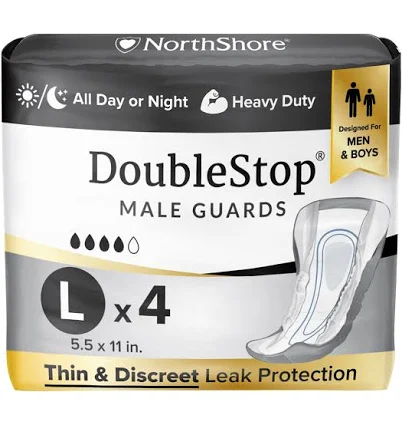
Northshore
NorthShore DoubleStop Male Guards
70/100 safety
Same rubric that flunked this product. The swap earned Good.
Still want this one anyway? Check the price on Amazon. We’d swap it.
Material
Cellulose, superabsorbent polymer (SAP), synthetic waterproof backing layer (unspecified)
Brand disclosure
Brand is silent on PFAS
Lab data
No public lab test
You may also be interested in
Top-graded picks in the categories readers replace first, every one scored on the same rubric.

- polypropylene filter housing, carbon/sediment cartridge
- We found no PFAS statement from the brand
- Bacterial growth in spent cartridges
3 hazards checked on this product, all on its full breakdown.

Aquasure
Premier Series 75 GPD Under Sink Reverse Osmosis Water Filtration System
- RO membrane, carbon filters, stainless steel housing
- We found no PFAS statement from the brand
- Bacterial and microbial growth in housing and filters
4 hazards checked on this product, all on its full breakdown.

Avocado
Vegan Mattress
- organic cotton, natural latex, coconut coir, recycled steel coils
- The brand calls it PFAS-free, which we have not verified
- Heavy metals
2 hazards checked on this product, all on its full breakdown.
What Disposable Bladder Control Pad 35641 is made of, ingredients and materials
This pad combines cellulose (wood fiber) as the absorbent core with a superabsorbent polymer (SAP), typically sodium polyacrylate, to trap and gel urine. The critical unknown is the waterproof backing layer, the brand does not publicly specify whether it uses polyethylene, polypropylene, or coating chemistry. Since waterproof barriers in disposable pads are a known vehicle for PFAS-based water repellents (fluorochemicals), the opacity here is a major red flag. Cellulose and SAP themselves are low-toxicity when not contaminated, but the backing's composition determines skin contact risk.
What’s concerning
Category baseline
The starting point for this type of product, before anything specific to this product is counted.
No PFAS disclosure
No public statement from the brand about PFAS in this product.
Waterproof / stain-resistant treatment
Water-repellent coating treatments have historically used PFAS.
Undisclosed waterproof backing composition (fluorochemical risk)
The synthetic waterproof layer is not publicly specified by the brand. Industry practice shows fluorochemical (PFAS) coatings are common in disposable pad backings for water repellency; without disclosure, assume risk is present until proven otherwise.
Superabsorbent polymer (SAP) particle exposure
Sodium polyacrylate presents lower concern when contained but can form micro-particles if pad material degrades or is damaged. Skin contact with loose SAP particles may cause minor irritation or, rarely, allergic sensitization in susceptible individuals.
Fragrance or fragrance-linked additives
Pads are available in scented and unscented varieties. Scented versions may contain fragrance allergens or masking agents; unscented versions reduce this risk but full fragrance ingredient lists are not disclosed.
Skin irritation from prolonged moisture and occlusion
Any occlusive waterproof pad can trap moisture and create maceration conditions; this is not unique to the brand but is exacerbated by infrequent changes or sensitive skin. Risk is usage-related, not chemical-specific, but PFAS or other coating chemicals may compound irritation.
Microplastic shedding from synthetic backing and core layers
Synthetic fibers in the pad structure can degrade over time, especially if heated or mechanically stressed. Shed microplastics are not directly absorbed through skin but may enter waterways if pads are improperly disposed of; environmental rather than personal health risk.
How is this PFAS grade calculated?
The brand's record and disclosure
The brand has not published detailed material safety data sheets or composition transparency for incontinence pad waterproof layers, despite growing industry scrutiny of PFAS in personal care products. The brand has faced no major recalls for chemical contamination in incontinence pads, but absence of recalls does not equal absence of risk. Kimberly-Clark signed the AFIRM (Apparel and Footwear International Restricted Substances) commitment in some divisions but has not extended equivalent transparency pledges to incontinence care. This silence is particularly concerning given that other manufacturers (e.g.some hospital-grade pads now offer options with lower concern regarding PFAS.
How it compares in its category
Disposable incontinence pads vary widely in backing technology. Premium brands like Attends and some store labels now openly declare polyethylene or polypropylene backings without fluorochemical treatment, whereas the brand's silence leaves users unable to compare. Reusable fabric-based incontinence pads (cotton-polyester blends with PUL or TPU waterproof layers) often provide better PFAS disclosure but require frequent laundering. For essential users unable to access alternatives, the brand remains accessible and absorbent; for those with options, the lack of transparency is a significant disadvantage.
If you buy it
Do not heat or microwave these pads, as SAP can rupture and SAP particles may contact skin. Change pads promptly after use to minimize skin exposure to urine and polymer; prolonged contact increases irritation risk regardless of PFAS presence. Store in cool, dry conditions away from moisture to prevent premature gel activation. If you experience unexplained skin rashes, dermatitis, or allergic responses after starting this product, discontinue use and contact a healthcare provider; request PFAS and fragrance ingredient disclosures from directly via customer service.
What is not known about PFAS in this product?
- Basis
- Model estimate, 35% confidence, not a lab result
- Lab test
- None on record for this exact product
- Brand statement
- has made none
Formulations change between production runs, so check the current label. How we grade.
What are the PFAS-free alternatives to Disposable Bladder Control Pad 35641?
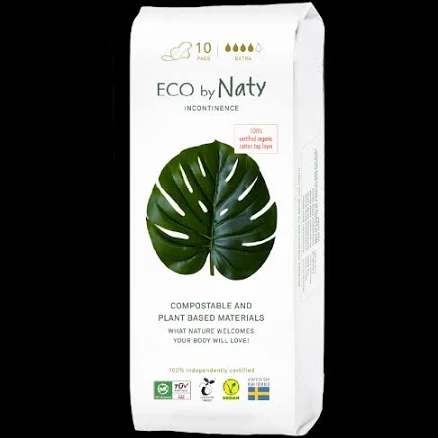
- Bamboo-derived viscose, cotton, plant-based absorbent core
- We found no PFAS statement from the brand
- Heavy metals
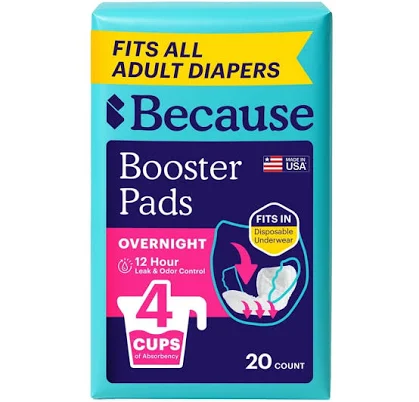
- Cellulose, superabsorbent polymer, cotton blend
- We found no PFAS statement from the brand
- Absorbent material degradation and bacterial growth
2 hazards checked on this product, all on its full breakdown.
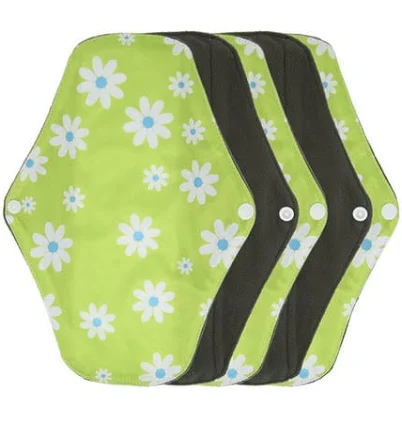
5pcs Bamboo Charcoal Washable Incontinence Pads
- bamboo charcoal textile, washable cotton-blend absorbent layer
- We found no PFAS statement from the brand
- Azo dyes and synthetic colorants
4 hazards checked on this product, all on its full breakdown.
More incontinence pads & protection grades
How we score, every product runs through the same public 0-100 rubric based on materials, coatings, brand disclosure, lab findings, and recalls. See the full methodology → Spotted a mistake? Report an error.