Gordini · Waterproof Winter Gloves
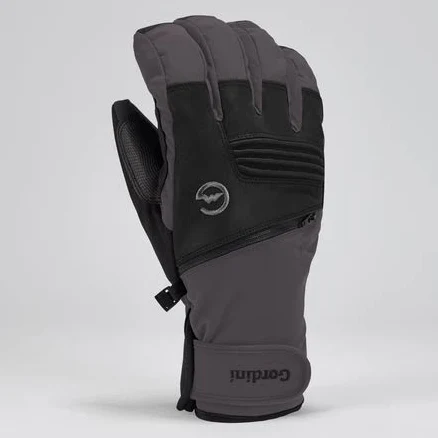
Gordini Men's GTX Storm Short Winter Gloves
High PFAS risk; GTX membrane likely contains PFCs, brand undisclosed.
GTX Storm gloves use Gore-Tex, a Teflon-family coating membrane with historical PFAS chemistry. Gordini makes no public statement on PFAS content or alternatives.
The better-graded swap
Patagonia
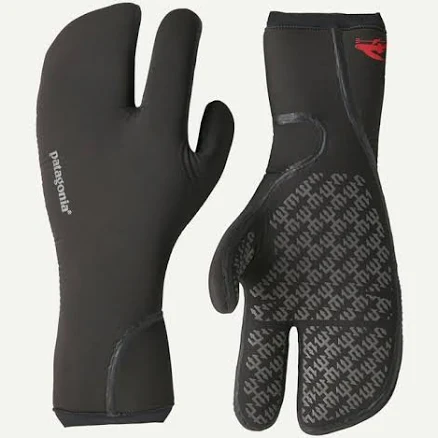
Patagonia R4 Yulex Regulator Three Finger Mitts
90/100 safety
Same rubric that flunked this product. The swap earned Excellent.
Still want this one anyway? Check the price on Amazon. We’d swap it.
Material
Nylon/polyester with GTX (Gore-Tex) waterproof-breathable membrane
Brand disclosure
Brand is silent on PFAS
Lab data
No public lab test
What Gordini Men's GTX Storm Short Winter is made of, ingredients and materials
Gordini Storm gloves combine nylon and polyester shell fabrics with a Gore-Tex (GTX) waterproof-breathable membrane. Gore-Tex is a microporous Teflon-type coating film that repels water while allowing vapor transmission, but Teflon-type coating-based membranes are typically finished with fluorocarbon compounds (PFCs) to achieve durable water repellency. The nylon-polyester blend itself is chemically stable under normal wear, but the membrane treatment is where chemical hazard concentrates. Gordini has not publicly disclosed whether their GTX products use legacy or newer fluorocarbon chemistry.
What’s concerning
Category baseline
The starting point for this type of product, before anything specific to this product is counted.
No PFAS disclosure
No public statement from the brand about PFAS in this product.
Waterproof / stain-resistant treatment
Water-repellent coating treatments have historically used PFAS.
Fluorocarbon compounds (PFCs) in GTX membrane
Gore-Tex membranes are conventionally finished with Teflon-type coating and perfluorooctanoic acid (PFOA)-based water repellents or newer short-chain alternatives. Gordini has not disclosed which chemistry their gloves use, so legacy high-persistence compounds cannot be ruled out.
Membrane delamination and microplastic shedding
After 2-3 years of heavy use or improper care (heat, washing), the Teflon-type coating membrane can crack or peel, potentially releasing synthetic polymer particles that could be inhaled during removal or ingestion if particles contact food-handling surfaces.
Formaldehyde / VOCs
Polyester and nylon fabrics are often treated with formaldehyde-based resins for dimensional stability and wrinkle resistance. Initial off-gassing from new gloves is typically minimal but may occur during first washes in warm water.
Source, ATSDR ↗What’s reassuring
Azo dyes in nylon-polyester blend
Gordini does not publish colorant sourcing. Nylon and polyester can be dyed with azo dyes; modern apparel typically avoids azo compounds that cleave to release carcinogenic amines, but absence of public commitment means residual trace risk exists.
Antimony residues in polyester
Polyester is occasionally produced using antimony trioxide as a catalyst. No recalls or independent testing of Gordini gloves for antimony have been published, and typical migration into skin contact is negligible, but brand does not disclose supplier controls.
The full breakdown
The brand's record and disclosure
Gordini is owned by the same parent company as other winter apparel brands but maintains minimal public stance on PFAS or chemical use in waterproof products. The brand does not advertise membership in organizations like Bluesign or Zero Discharge of Hazardous Chemicals (ZDHC), which would indicate third-party chemical management oversight. No voluntary recalls or published safety controversies are documented for this specific model. Gordini's silence on PFAS in GTX products reflects a broader industry pattern where membrane manufacturers (not apparel brands) control formulation details.
How it compares in its category
Most winter glove brands use GTX or similar Teflon-type coating-based membranes, so this product is not unusual in its PFAS exposure profile. Some premium competitors (e.g., Patagonia, Arc'teryx) now provide transparency on fluorocarbon chemistry or offer PFAS-free alternatives like waxed wool or silicone-based waterproofing, though these trade durability for reduced chemical footprint. Budget-friendly brands like Gordini rarely publicize chemical composition. This product's risk tier is typical for conventional GTX gloves, not an outlier, but that does not reduce absolute hazard.
If you buy it
Wash gloves by hand in cool water with mild detergent after heavy use to reduce salt accumulation and membrane degradation; avoid machine washing and high heat, which can delaminate GTX. Do not dry-clean or bleach. Store in a dry place away from direct sunlight to prevent UV damage to nylon, which can increase fiber brittleness over 2-3 seasons of heavy use. Replace gloves if the membrane shows visible cracking, peeling, or loss of water beading, as degraded membranes may leach synthetic polymer particles into sweat. PFAS from the membrane will not transfer meaningfully during normal wear, but washing may release trace amounts into wastewater.
What we don’t know
- Basis
- Model estimate, 58% confidence, not a lab result
- Lab test
- None on record for this exact product
- Brand statement
- Gordini has made none
Formulations change between production runs, so check the current label. How we grade.
Better-graded alternatives in Waterproof Winter Gloves
Patagonia
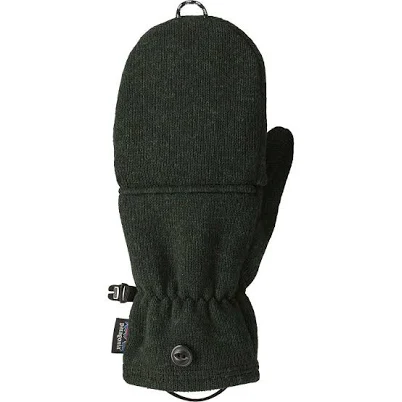
Better Sweater Gloves Patagonia Women's
- Polyester fleece (recycled)
- The brand calls it PFAS-free, which we have not verified
- Heavy metals
2 hazards checked on this product. See all of them.
Patagonia
R4 Yulex Regulator Three Finger Mitts
- Yulex (synthetic rubber), neoprene-free alternative
- The brand calls it PFAS-free, which we have not verified
- Allergic contact dermatitis (rubber/guayule sensitivity)
2 hazards checked on this product. See all of them.
Patagonia
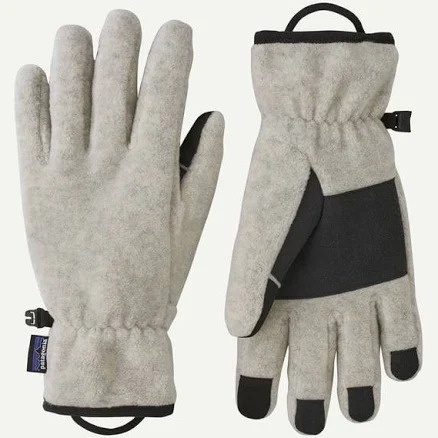
Synchilla Gloves
- Polyester fleece (Synchilla®); no water-repellent treatment disclosed
- The brand calls it PFAS-free, which we have not verified
- Microplastics
2 hazards checked on this product. See all of them.
More waterproof winter gloves grades
How we score, every product runs through the same public 0-100 rubric based on materials, coatings, brand disclosure, lab findings, and recalls. See the full methodology → Spotted a mistake? Report an error.