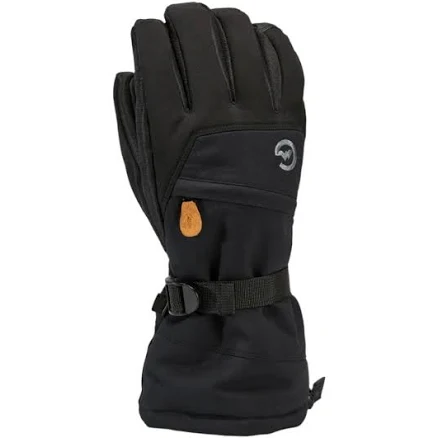
Gordini · Waterproof Winter Gloves
Gordini Men's Stomp Gloves
High PFAS risk; waterproof gloves commonly use PFAS, brand silent.
Stomp Gloves have waterproof treatment, standard industry practice using PFAS-based water-repellent coating coatings. Gordini provides no public disclosure of their waterproofing chemistry.
The better-graded swap
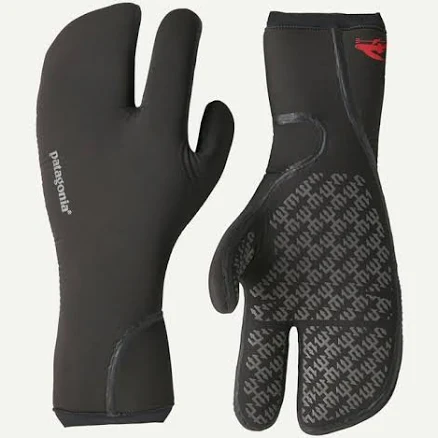
Patagonia
Patagonia R4 Yulex Regulator Three Finger Mitts
90/100 safety
Same rubric that flunked this product. The swap earned Excellent.
Still want this one anyway? Check the price on Amazon. We’d swap it.
Material
Waterproof-treated glove shell (likely nylon or polyester with water-repellent coating finish)
Brand disclosure
Brand is silent on PFAS
Lab data
No public lab test
What Gordini Men's Stomp Gloves is made of, ingredients and materials
Gordini Stomp Gloves use a waterproof-treated shell, almost certainly nylon or polyester with a water-repellent coating (water-repellent coating) finish applied to the outer layer. water-repellent coating finishes on budget winter gloves traditionally rely on PFAS-based chemistries (perfluorocarbons) to create water and oil repellency that survives washing and use. The lining and padding are typically synthetic insulation (polyester fleece or similar), which poses minimal chemical hazard if not chemically treated.
What’s concerning
Category baseline
The starting point for this type of product, before anything specific to this product is counted.
No PFAS disclosure
No public statement from the brand about PFAS in this product.
Waterproof / stain-resistant treatment
Water-repellent coating treatments have historically used PFAS.
water-repellent coating degradation and microfiber shedding
PFAS-based water-repellent coating coatings can degrade into microparticulates with washing and wear, particularly on budget-grade gloves where adhesion to substrate is less robust. Microfiber shedding risk is inherent to the water-repellent coating system, not unique to this brand.
Antimony in polyester
If polyester shell is present, antimony trioxide may be used as a catalyst in polyester synthesis. Levels are typically trace and migrate minimally in finished textiles, but brand does not specify material sourcing or purity.
What’s reassuring
Azo dyes in shell/lining fabric
No public recalls or reports of restricted azo dyes in Gordini gloves. Standard nylon and polyester used in budget winter gloves are typically dyed with compliant colorants, but brand does not disclose dye chemistry.
Flame retardants
No public data on flame retardant use in Gordini synthetic insulation layers. Winter gloves are not typically mandated for flame retardancy, so risk is low, but brand does not confirm absence.
Source, EPA ↗Formaldehyde / VOCs
No documented formaldehyde-resin finishes reported in Gordini winter gloves. Nylon and polyester typically use minimal formaldehyde chemistry at this price point, but independent testing data for this specific product is not publicly available.
Source, ATSDR ↗The full breakdown
The brand's record and disclosure
Gordini, owned by Vista Outdoor, does not publicly disclose water-repellent coating chemistry or PFAS use/avoidance for this product line. No third-party certifications (Bluesign, OEKO-TEX, etc.) are marketed for Stomp Gloves. The brand has not issued statements on PFAS phase-out in waterproof apparel, leaving consumers to assume conventional (PFAS-based) water-repellent coating treatment. This silence is typical of mainstream winter-sports brands but represents a transparency gap.
How it compares in its category
Winter glove categories divide sharply, budget waterproof gloves (like Stomp) almost universally use legacy PFAS-water-repellent coating finishes for cost and durability; premium brands increasingly adopt PFAS-free alternatives (wax coatings, fluorine-free polymers). Stomp Gloves sit in the conventional tier where PFAS-water-repellent coating is standard practice. If PFAS avoidance is a priority, you would need to seek brands explicitly marketing PFAS-free water-repellent coating or non-water-repellent coating waterproof methods.
If you buy it
Wash gloves by hand in cool to warm water only; machine washing and heat accelerate water-repellent coating degradation and increase risk of coating particles shedding into rinse water. Avoid bleach and fabric softeners, which degrade the water-repellent layer. Replace gloves after the water-repellent coating visibly fails (water no longer beads on the surface), typically 1-2 seasons of regular use. Store dry; prolonged moisture contact can promote microorganism growth in the lining.
What we don’t know
- Basis
- Model estimate, 35% confidence, not a lab result
- Lab test
- None on record for this exact product
- Brand statement
- Gordini has made none
Formulations change between production runs, so check the current label. How we grade.
Better-graded alternatives in Waterproof Winter Gloves
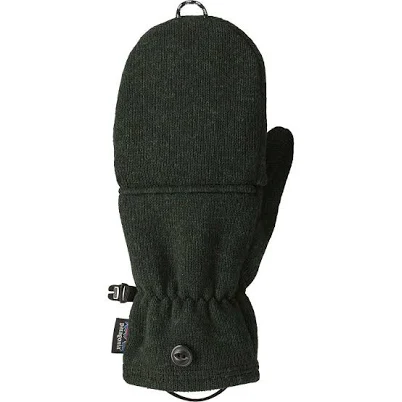
Patagonia
Better Sweater Gloves Patagonia Women's
- Polyester fleece (recycled)
- The brand calls it PFAS-free, which we have not verified
- Heavy metals
2 hazards checked on this product. See all of them.
Patagonia
R4 Yulex Regulator Three Finger Mitts
- Yulex (synthetic rubber), neoprene-free alternative
- The brand calls it PFAS-free, which we have not verified
- Allergic contact dermatitis (rubber/guayule sensitivity)
2 hazards checked on this product. See all of them.
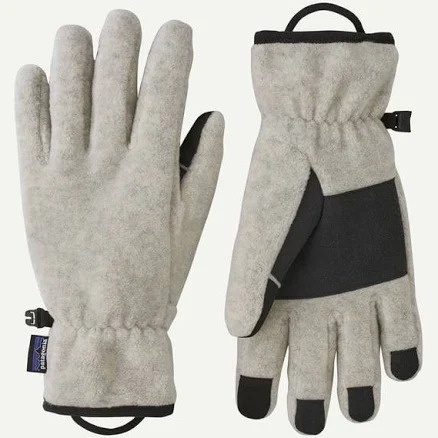
Patagonia
Synchilla Gloves
- Polyester fleece (Synchilla®); no water-repellent treatment disclosed
- The brand calls it PFAS-free, which we have not verified
- Microplastics
2 hazards checked on this product. See all of them.
More waterproof winter gloves grades
How we score, every product runs through the same public 0-100 rubric based on materials, coatings, brand disclosure, lab findings, and recalls. See the full methodology → Spotted a mistake? Report an error.