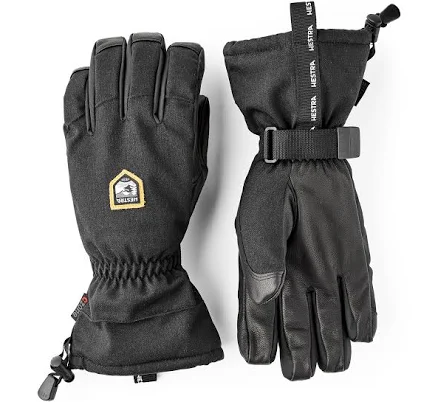
Hestra · Waterproof Winter Gloves
Hestra CZone Mountain
Avoid until Hestra discloses water-repellent coating formula or commits to PFAS-free.
This winter glove uses a water-resistant coating typical of performance apparel. Hestra does not publicly disclose whether their water-repellent coating treatment uses PFAS or PFC-free alternatives. Without lab data or brand transparency on fluorochemical use, assume elevated PFAS risk common in water-repellent coating textiles.
The better-graded swap
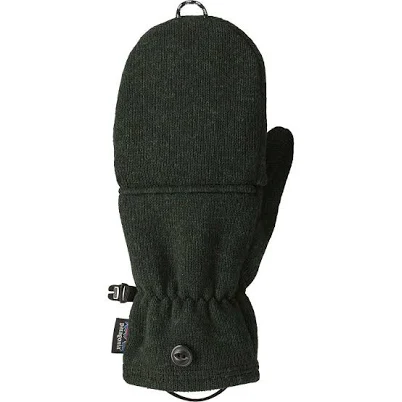
Patagonia
Better Sweater Gloves Patagonia Women's
90/100 safety
Same rubric that flunked this product. The swap earned Excellent.
Still want this one anyway? Check the price on Amazon. We’d swap it.
Material
Synthetic insulation with water-resistant outer shell
Brand disclosure
Brand is silent on PFAS
Lab data
No public lab test
What Hestra CZone Mountain is made of, ingredients and materials
The CZone Mountain uses synthetic insulation (likely polyester or polypropylene fibers) with a water-resistant outer shell. The insulation itself is chemically stable and poses minimal leaching risk during normal wear. The critical unknown is the water-repellent coating (water-repellent coating) coating on the shell, this is where PFAS compounds are typically applied in winter gloves, though some brands now use fluorine-free alternatives. Without Hestra's disclosure, the exact chemistry remains opaque.
What’s concerning
Category baseline
The starting point for this type of product, before anything specific to this product is counted.
No PFAS disclosure
No public statement from the brand about PFAS in this product.
Waterproof / stain-resistant treatment
Water-repellent coating treatments have historically used PFAS.
water-repellent coating degradation and potential leachates
As the water-resistant coating wears, microscopic particles or degraded polymers may shed into sweat or directly contact skin. Hestra has not disclosed whether the water-repellent coating is fluorinated or fluorine-free, so composition-specific risk cannot be assessed; this amplifies concern.
Microplastics
Repeated flexing, compression, and friction in use can cause shedding of synthetic insulation fibers, particularly at seams or worn edges. The gloves will not be heated in normal use (unlike cookware or dryers), so thermal release of monomers is unlikely.
Source, EPA ↗What’s reassuring
Formaldehyde / VOCs
No recalls or testing data are on record for formaldehyde contamination in Hestra gloves. However, all synthetic textiles may carry trace residues from manufacturing unless certified (e.g., OEKO-TEX Standard 100); Hestra does not advertise this certification for the CZone Mountain.
Source, ATSDR ↗Allergic contact dermatitis from dyes or finishes
Hestra does not report azo-dye use or heavy metal pigment content in this product line. Risk is low for conventionally dyed synthetic gloves, but pre-wash before first wear is standard practice to remove any residual dyes or finishes.
Insulation clumping or settling under pressure
This is a durability issue rather than a chemical safety issue; synthetic insulation can lose loft if compressed repeatedly without recovery time, reducing thermal protection but creating no toxicological hazard.
The full breakdown
The brand's record and disclosure
Hestra is a Swedish glove specialist with a strong heritage in winter sports gear, but the company has not published transparent water-repellent coating chemistry disclosures for specific product lines. No major recalls or safety controversies are on public record for this model. However, Hestra's silence on PFAS-free commitments or third-party certifications (like bluesign or OEKO-TEX) stands in contrast to competitors like Rab or Patagonia, which now offer explicit PFAS-free winter glove lines.
How it compares in its category
Most mainstream winter gloves in this performance tier (mid-range alpine/mountaineering) still default to conventional fluorinated water-repellent coating treatments. The CZone Mountain is typical of this majority; it competes on fit and insulation rather than chemical transparency. Brands explicitly offering PFAS-free or wax-based water resistance (Outdoor Research, some Rab lines) remain a smaller segment, making this product a conventional choice rather than a leader on safety.
If you buy it
Care is straightforward, wash in cold water with mild detergent, air dry, and avoid high heat or machine drying, which can degrade synthetic fibers and potentially off-gas residual treatments. Replace gloves if the outer shell develops cracks, peeling, or loss of water beading, signs that the water-repellent coating is breaking down. Store in a cool, dry place away from direct sunlight to preserve insulation and shell integrity. Monitor fit seasonally, as repeated compression may compress loft over 2-3 seasons of heavy use.
What we don’t know
- Basis
- Model estimate, 35% confidence, not a lab result
- Lab test
- None on record for this exact product
- Brand statement
- Hestra has made none
Formulations change between production runs, so check the current label. How we grade.
Better-graded alternatives in Waterproof Winter Gloves
Patagonia
Better Sweater Gloves Patagonia Women's
- Polyester fleece (recycled)
- The brand calls it PFAS-free, which we have not verified
- Heavy metals
2 hazards checked on this product. See all of them.
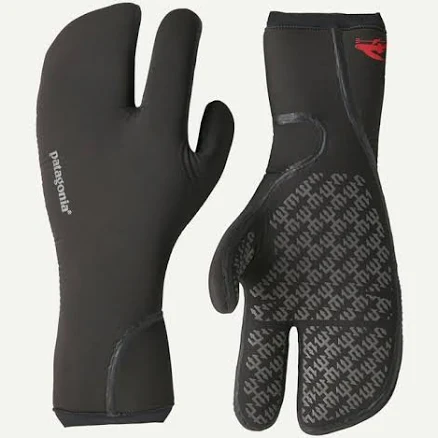
Patagonia
R4 Yulex Regulator Three Finger Mitts
- Yulex (synthetic rubber), neoprene-free alternative
- The brand calls it PFAS-free, which we have not verified
- Allergic contact dermatitis (rubber/guayule sensitivity)
2 hazards checked on this product. See all of them.
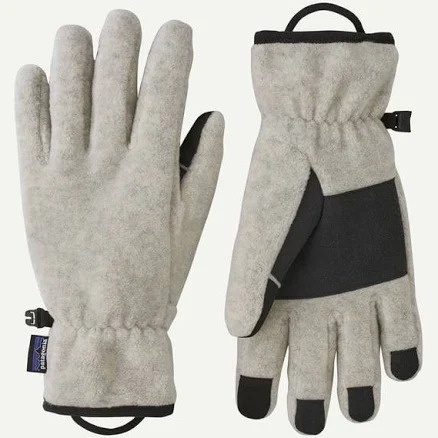
Patagonia
Synchilla Gloves
- Polyester fleece (Synchilla®); no water-repellent treatment disclosed
- The brand calls it PFAS-free, which we have not verified
- Microplastics
2 hazards checked on this product. See all of them.
More waterproof winter gloves grades
How we score, every product runs through the same public 0-100 rubric based on materials, coatings, brand disclosure, lab findings, and recalls. See the full methodology → Spotted a mistake? Report an error.