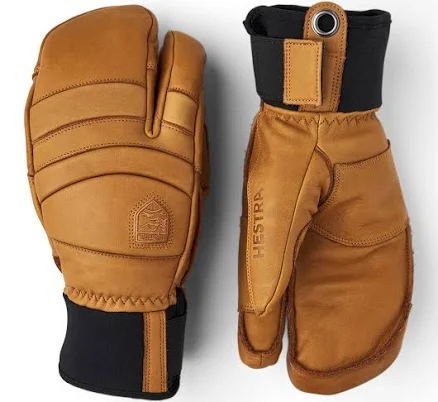
Hestra · Waterproof Winter Gloves
Hestra Fall Line 3 Finger
Moderate concern, winter gloves almost certainly use water-repellent coating, Hestra discloses nothing about PFAS formula.
These premium wool winter mitts are designed for water repellency with a water-repellent coating finish. Like most contemporary ski gloves, they likely use fluorochemical treatments, but Hestra provides no public disclosure of specific fluorochemical use or commitment to PFAS-free alternatives.
The better-graded swap
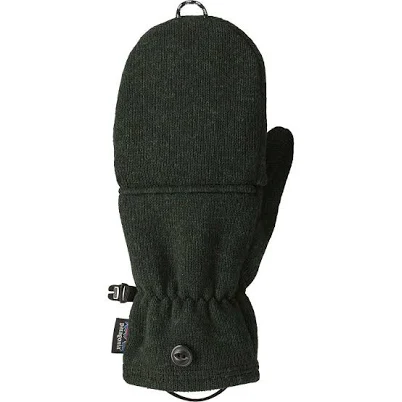
Patagonia
Better Sweater Gloves Patagonia Women's
90/100 safety
Same rubric that flunked this product. The swap earned Excellent.
Still want this one anyway? Check the price on Amazon. We’d swap it.
Material
Wool blend with waterproof water-repellent coating treatment (presumed fluorochemical)
Brand disclosure
Brand is silent on PFAS
Lab data
No public lab test
What Hestra Fall Line 3 Finger is made of, ingredients and materials
Hestra Fall Line 3 Finger combines wool (natural, breathable, antimicrobial) with synthetic materials for structure and a water-repellent finish (water-repellent coating treatment). The water-repellent coating is the critical unknown, modern water-repellent coating is typically applied via fluorochemical compounds (legacy PFOA/PFOS or newer GenX-class PFAS alternatives) that bond to fibers to shed water. Wool itself poses no established chemical hazard in well-made gloves; the risk sits entirely in the treatment applied post-manufacture.
What’s concerning
Category baseline
The starting point for this type of product, before anything specific to this product is counted.
No PFAS disclosure
No public statement from the brand about PFAS in this product.
Waterproof / stain-resistant treatment
Water-repellent coating treatments have historically used PFAS.
PFAS
Winter gloves with waterproof claims almost certainly employ water-repellent coating; Hestra provides no public specification of the fluorochemical used or PFAS phase-out timeline. Polymer-locked PFAS in textiles poses lower acute leaching risk than in food contact, but repeated skin contact and laundering can mobilize residues, particularly in heavily perspired conditions.
Source, ATSDR ↗Azo dyes or colorfast dye chemistry
Wool is traditionally dyed with chromium-based or synthetic azo dyes. Hestra does not disclose dye chemistry. Well-manufactured gloves present minimal risk because dyes are fixed during production, but unfixed residual dye can leach onto skin in damp conditions or with poor rinsing during manufacturing. No recalls or complaints are on record for Hestra gloves.
Microplastic shedding from synthetic blends
Repeated laundering of blended gloves (wool plus synthetics) sheds synthetic fibers; intensity depends on blend ratio and fiber fineness. This is an environmental and ingestion concern rather than a direct skin toxicity hazard, but relevant to lifecycle impact if gloves are frequently washed.
What’s reassuring
Synthetic fiber contaminants (antimony in polyester)
If the blend includes polyester for structure or stretch, antimony (used as a catalyst in polyester synthesis) may be present but is firmly bound in the polymer matrix. No antimony leaching hazard is documented for finished apparel; risk would only arise if fibers are burned or severely degraded.
Formaldehyde / VOCs
Wool gloves do not typically undergo formaldehyde-based wrinkle-resist or shrink-proof treatments common in apparel, as wool is naturally resilient. No evidence suggests Hestra uses such finishes on this product line.
Source, ATSDR ↗The full breakdown
The brand's record and disclosure
Hestra is a Swedish-owned glove specialist with strong reputation for quality construction and durability but does not publicly disclose water-repellent coating chemistry, supplier standards, or fluorochemical phase-out commitments. No major safety recalls or environmental controversies are documented for this brand. Absence of disclosure is not unusual for smaller heritage brands but reflects an industry-wide gap in consumer transparency on PFAS in textiles.
How it compares in its category
Winter gloves in this insulation and waterproofing tier almost uniformly rely on water-repellent coating treatments; Hestra sits in the middle-premium segment where durability and water resistance are key selling points. Non-fluorochemical water-repellent coating alternatives (wax, silicone blends) exist but are less common in wool blends and typically require more frequent reapplication. Hestra's silence mirrors most competitors, so this product is not an outlier in its category.
If you buy it
Wash infrequently and use cool water with wool-specific detergent; excessive or hot-water laundering strips water-repellent coating and may accelerate any residual PFAS leaching. Air-dry completely; heat or machine drying can degrade fibers and the coating. Expect water-repellent coating to fade after 2-3 seasons of heavy use; professional re-treatment is available but adds cost. If PFAS exposure is a priority concern, contact Hestra directly to request water-repellent coating chemistry data before purchase.
What we don’t know
- Basis
- Model estimate, 45% confidence, not a lab result
- Lab test
- None on record for this exact product
- Brand statement
- Hestra has made none
Formulations change between production runs, so check the current label. How we grade.
Better-graded alternatives in Waterproof Winter Gloves
Patagonia
Better Sweater Gloves Patagonia Women's
- Polyester fleece (recycled)
- The brand calls it PFAS-free, which we have not verified
- Heavy metals
2 hazards checked on this product. See all of them.
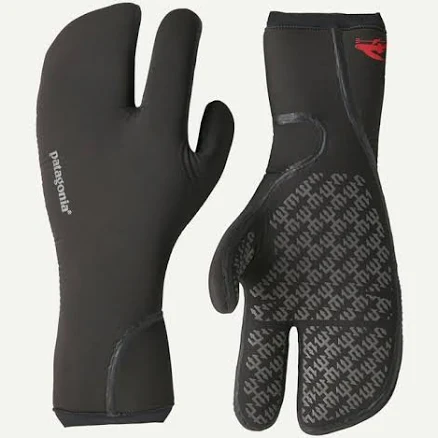
Patagonia
R4 Yulex Regulator Three Finger Mitts
- Yulex (synthetic rubber), neoprene-free alternative
- The brand calls it PFAS-free, which we have not verified
- Allergic contact dermatitis (rubber/guayule sensitivity)
2 hazards checked on this product. See all of them.
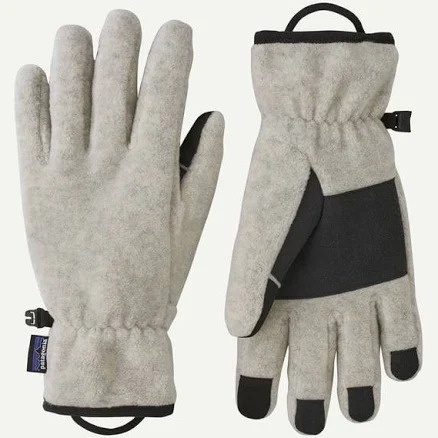
Patagonia
Synchilla Gloves
- Polyester fleece (Synchilla®); no water-repellent treatment disclosed
- The brand calls it PFAS-free, which we have not verified
- Microplastics
2 hazards checked on this product. See all of them.
More waterproof winter gloves grades
How we score, every product runs through the same public 0-100 rubric based on materials, coatings, brand disclosure, lab findings, and recalls. See the full methodology → Spotted a mistake? Report an error.