Hestra · Waterproof Winter Gloves
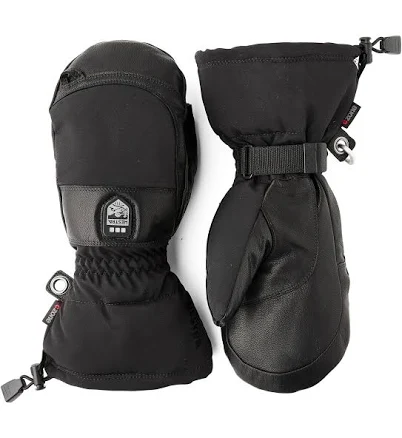
Hestra Heater Gauntlet
Gauntlet uses water-repellent coating treatment typical of the category, Hestra won't disclose PFAS status, contact brand before buying.
This polyamide gauntlet features a water-repellent coating finish with insulated lining, a feature common in outdoor apparel historically reliant on PFAS chemistry. Hestra has made no public statement about PFAS in this product or a broader commitment to PFAS-free materials.
The better-graded swap
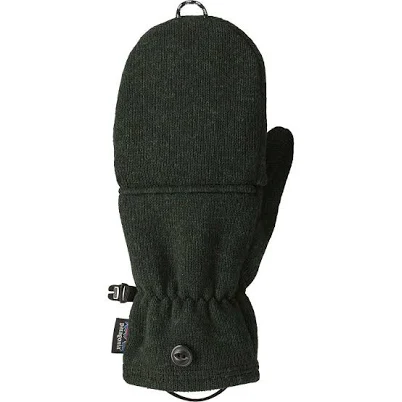
Patagonia
Better Sweater Gloves Patagonia Women's
90/100 safety
Same rubric that flunked this product. The swap earned Excellent.
Still want this one anyway? Check the price on Amazon. We’d swap it.
Material
Polyamide shell with water-repellent coating-treated exterior; insulated lining
Brand disclosure
Brand is silent on PFAS
Lab data
No public lab test
What Hestra Heater Gauntlet is made of, ingredients and materials
The Hestra Heater Gauntlet uses a polyamide (nylon) shell with a water-repellent coating (water-repellent coating) exterior coating and insulated lining. Polyamide itself is chemically stable and unlikely to leach during normal wear. The water-repellent coating treatment is the primary concern, conventional water-repellent coating finishes in the glove category typically rely on fluorocarbon compounds (PFAS), though some brands have shifted to fluorine-free alternatives. Hestra has not publicly disclosed which type is used on this model.
What’s concerning
Category baseline
The starting point for this type of product, before anything specific to this product is counted.
No PFAS disclosure
No public statement from the brand about PFAS in this product.
Waterproof / stain-resistant treatment
Water-repellent coating treatments have historically used PFAS.
PFAS
Water-repellent coating treatment on polyamide gloves commonly uses PFAS compounds; Hestra does not disclose which type is applied. This is the primary chemical concern for this product.
Source, ATSDR ↗What’s reassuring
Formaldehyde / VOCs
No formaldehyde contamination or formaldehyde resin use is documented for Hestra gloves. Polyamide shell and typical synthetic insulation do not inherently contain formaldehyde, though some dyes in the lining could theoretically carry trace residues; no public testing or complaints exist for this product line.
Source, ATSDR ↗Azo dyes in textiles
Azo dyes are hazardous only when they release aromatic amines; Hestra, as an EU-based brand, is subject to REACH regulations that restrict certain azo dyes. No recalls or test failures have been reported. Standard washing should not release dyes from finished gloves.
Microplastics
Polyamide fiber shedding is possible during wear and washing, particularly with agitation. No specific testing of Hestra Gauntlets for microplastic release is on record. Risk is typical for synthetic fiber gloves and not unique to this product.
Source, EPA ↗Heavy metals
No lead, cadmium, or other heavy metal contamination has been reported in Hestra gloves. Polyamide and synthetic insulation do not typically contain heavy metals unless added as colorants. No public testing contradicts this assessment.
Source, FDA ↗The full breakdown
The brand's record and disclosure
Hestra is a Swedish glove manufacturer with a long history but minimal public transparency on hazardous substances. The brand does not maintain a published restricted substances list, PFAS disclosure statement, or chemical certifications visible on product pages or websites reviewed. No recalls or confirmed chemical contamination incidents are on record for Hestra gloves. Contact with the brand directly is the only way to verify water-repellent coating chemistry before purchase.
How it compares in its category
Most premium winter gloves in this price range use polyamide shells with water-repellent coating coatings; few brands disclose treatment type publicly. Competitors like Arc'teryx, Mammut, and some Outdoor Research models have begun moving toward fluorine-free water-repellent coating or provide transparency statements. Hestra's silence on this issue puts it in the middle of the pack for disclosure standards, neither leading nor notably lagging, but offering less certainty than brands with published chemical policies.
If you buy it
Before purchase, email Hestra customer service asking specifically whether the Heater Gauntlet uses PFAS-based or fluorine-free water-repellent coating treatment. Care instructions should be followed closely, hand wash or gentle machine wash in cool water, air dry flat, and avoid heat drying. Do not expose gloves to temperatures above 60°C (140°F), as polyamide can degrade and coatings may fail. Replace if the water-repellent coating visibly degrades (water no longer beads on the surface) or seams separate, as this increases moisture entry and defeats the product's function.
What we don’t know
- Basis
- Model estimate, 42% confidence, not a lab result
- Lab test
- None on record for this exact product
- Brand statement
- Hestra has made none
Formulations change between production runs, so check the current label. How we grade.
Better-graded alternatives in Waterproof Winter Gloves
Patagonia
Better Sweater Gloves Patagonia Women's
- Polyester fleece (recycled)
- The brand calls it PFAS-free, which we have not verified
- Heavy metals
2 hazards checked on this product. See all of them.
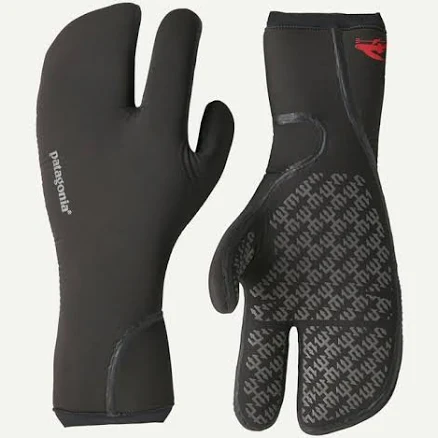
Patagonia
R4 Yulex Regulator Three Finger Mitts
- Yulex (synthetic rubber), neoprene-free alternative
- The brand calls it PFAS-free, which we have not verified
- Allergic contact dermatitis (rubber/guayule sensitivity)
2 hazards checked on this product. See all of them.
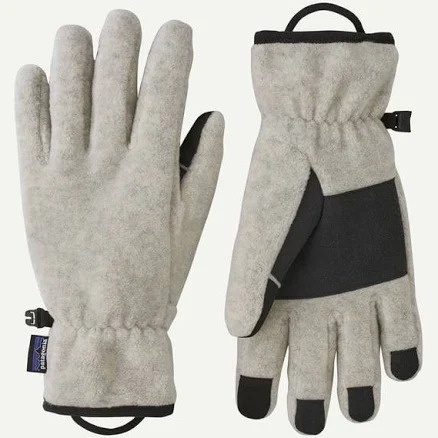
Patagonia
Synchilla Gloves
- Polyester fleece (Synchilla®); no water-repellent treatment disclosed
- The brand calls it PFAS-free, which we have not verified
- Microplastics
2 hazards checked on this product. See all of them.
More waterproof winter gloves grades
How we score, every product runs through the same public 0-100 rubric based on materials, coatings, brand disclosure, lab findings, and recalls. See the full methodology → Spotted a mistake? Report an error.