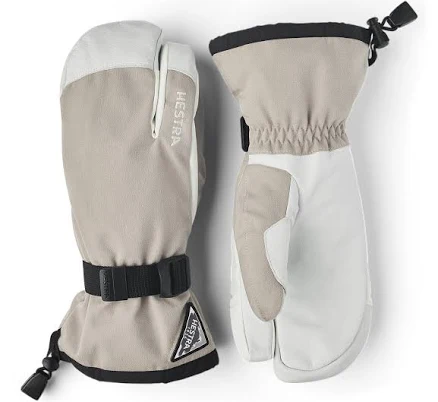
Hestra · Waterproof Winter Gloves
Hestra Powder Gauntlet 3 Finger
Premium ski glove with likely PFAS-based water repellent, Hestra won't disclose treatment formula.
This high-end ski glove features a durable water-resistant finish typical of winter sportswear with wool outer and synthetic insulation. Hestra makes no public statement about PFAS in their water treatments, standard industry silence that raises concern.
The better-graded swap
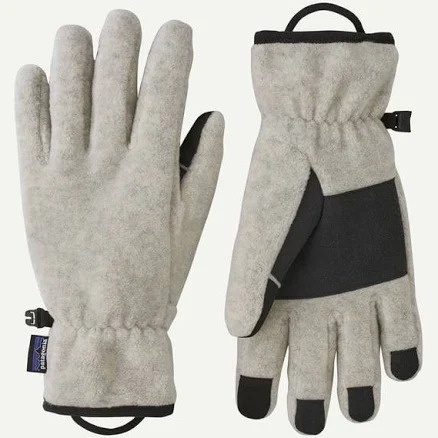
Patagonia
Patagonia Synchilla Gloves
90/100 safety
Same rubric that flunked this product. The swap earned Excellent.
Still want this one anyway? Check the price on Amazon. We’d swap it.
Material
Wool outer, synthetic insulation, water-repellent coating-treated shell
Brand disclosure
Brand is silent on PFAS
Lab data
No public lab test
What Hestra Powder Gauntlet 3 Finger is made of, ingredients and materials
The Powder Gauntlet 3 Finger combines a wool outer shell (typically merino or wool blend) with synthetic insulation (likely polyester or acrylic) and a water-repellent coating (water-repellent coating) treated coating on the shell. Wool is naturally antimicrobial and temperature-regulating, while synthetic insulation provides loft and moisture management. The water-repellent coating treatment is applied to shed snow and light precipitation without waterproofing; Hestra does not publicly disclose whether this uses PFAS compounds, which are common in premium ski gloves for durability.
What’s concerning
Category baseline
The starting point for this type of product, before anything specific to this product is counted.
No PFAS disclosure
No public statement from the brand about PFAS in this product.
Waterproof / stain-resistant treatment
Water-repellent coating treatments have historically used PFAS.
PFAS
Standard industry practice for premium ski gloves is PFAS-based fluorinated compounds; Hestra's silence on chemistry suggests conventional treatment, but this is not confirmed. These persist in the environment and accumulate in water systems after product disposal or laundering.
Source, ATSDR ↗Synthetic insulation shedding (microfiber release)
Polyester or acrylic insulation can shed microfibers during wear and washing, particularly if the glove is compressed or abraded. While not unique to Hestra, quality construction matters; no specific durability complaints are on record for this model, suggesting acceptable performance.
Coating degradation and performance loss over time
Water-repellent coating coatings naturally degrade with wear, washing, and UV exposure; this is expected and requires periodic reapplication. If coating fails prematurely (within one season of heavy use), it signals poor manufacturing quality, but Hestra's reputation suggests this is rare.
What’s reassuring
Dye allergens in wool or synthetic fibers
No published reports of allergic reactions or dermatitis from Hestra Powder Gauntlet dyes. Merino wool is generally hypoallergenic, but sensitive individuals should patch-test if history of dye sensitivity exists.
Formaldehyde / VOCs
Hestra does not use formaldehyde-releasing treatments on record; wool and modern synthetic blends in this category typically avoid this hazard. No recalls or reported cases linked to this product.
Source, ATSDR ↗The full breakdown
The brand's record and disclosure
Hestra is a Swedish family-owned glove maker with no published chemical disclosure policy or third-party certifications (Bluesign, OEKO-TEX) on record for this model. The brand has not made public commitments to phase out PFAS or other regulated fluorinated compounds in their water-repellent coating treatments. Absence of disclosure is typical in the ski glove category but represents a gap in transparency that consumers concerned about persistent chemicals should note.
How it compares in its category
Hestra is positioned as a premium performance brand; this glove sits above budget models (which often use cheaper polyester shells and non-durable water treatments) but in the same chemical-disclosure tier as most mainstream ski gloves. Competitors like Arc'teryx and some lines from Patagonia have begun disclosing or phasing PFAS, making them incrementally more transparent. Most premium ski gloves in this price range assume water-repellent coating is PFAS-based unless stated otherwise.
If you buy it
Hand-wash in lukewarm water with mild detergent; avoid hot water and machine washing, which can degrade both insulation and water-repellent coating. Do not dry-clean or expose to high heat (radiators, direct sun for extended periods), as this risks synthetic insulation degradation and coating breakdown. Reapply water-repellent coating treatments every 1-2 seasons of heavy use (check manufacturer guidance when you purchase). Store in a dry place; if they become compressed or insulation shifts, gentle reshaping by hand can restore fit before the next season.
What we don’t know
- Basis
- Model estimate, 45% confidence, not a lab result
- Lab test
- None on record for this exact product
- Brand statement
- Hestra has made none
Formulations change between production runs, so check the current label. How we grade.
Better-graded alternatives in Waterproof Winter Gloves
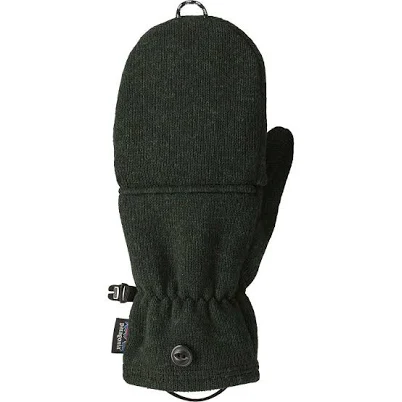
Patagonia
Better Sweater Gloves Patagonia Women's
- Polyester fleece (recycled)
- The brand calls it PFAS-free, which we have not verified
- Heavy metals
2 hazards checked on this product. See all of them.
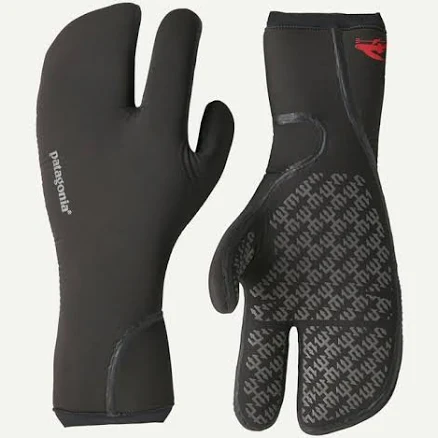
Patagonia
R4 Yulex Regulator Three Finger Mitts
- Yulex (synthetic rubber), neoprene-free alternative
- The brand calls it PFAS-free, which we have not verified
- Allergic contact dermatitis (rubber/guayule sensitivity)
2 hazards checked on this product. See all of them.
Patagonia
Synchilla Gloves
- Polyester fleece (Synchilla®); no water-repellent treatment disclosed
- The brand calls it PFAS-free, which we have not verified
- Microplastics
2 hazards checked on this product. See all of them.
More waterproof winter gloves grades
How we score, every product runs through the same public 0-100 rubric based on materials, coatings, brand disclosure, lab findings, and recalls. See the full methodology → Spotted a mistake? Report an error.