Icebreaker · Waterproof Winter Gloves
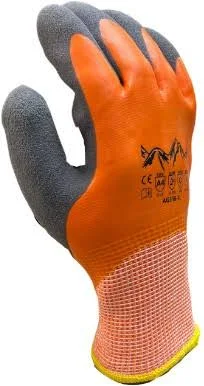
AG338 Ice Breaker Xtreme Performance Water Resistant Winter Lined Gloves - 4 Pair Pack
Pass until Icebreaker specifies water-resistant treatment chemistry.
These AG338 gloves claim water resistance but don't reveal the coating chemistry. Winter gloves labeled water-resistant typically use water-repellent coating treatments, many historically PFAS-based, though newer options exist.
The better-graded swap
Patagonia
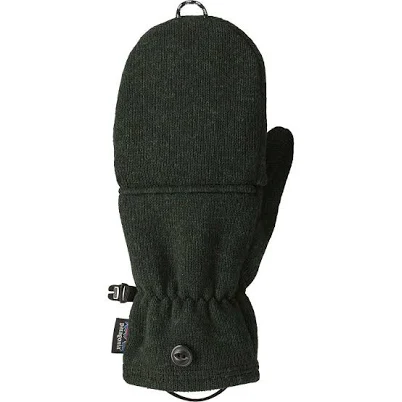
Better Sweater Gloves Patagonia Women's
90/100 safety
Same rubric that flunked this product. The swap earned Excellent.
Still want this one anyway? Check the price on Amazon. We’d swap it.
Material
Synthetic textile with water-resistant coating (type unspecified)
Brand disclosure
Brand is silent on PFAS
Lab data
No public lab test
What AG338 Ice Breaker Xtreme Performance is made of, ingredients and materials
These gloves use synthetic textile (likely polyester, nylon, or acrylic blend) with an unspecified water-resistant coating. The coating is the critical unknown, water-repellent coating (water-repellent coating) finishes on winter gloves have historically relied on PFAS chemistry, though some manufacturers now use alternatives not linked to PFAS. Without Icebreaker's disclosure, the actual chemical treatment cannot be verified. The base textile itself carries low hazard for dermal contact during normal use.
What’s concerning
Category baseline
The starting point for this type of product, before anything specific to this product is counted.
Vague safety claims only
Uses vague language ("eco-friendly", "clean") without a specific PFAS statement.
Waterproof / stain-resistant treatment
Water-repellent coating treatments have historically used PFAS.
Formaldehyde / VOCs
Polyester and nylon base textiles in budget winter gloves may use formaldehyde-based dyes or finishes. No specific testing results for this model are available. Risk is low for external hand exposure but nonzero if material contacts skin for extended periods.
Source, ATSDR ↗Water-resistant coating degradation and off-gassing
Unknown coating chemistry means unknown volatility profile. If PFAS-based, normal wear and heat exposure could theoretically release fluorinated compounds, though concentrations at skin level during glove use are likely minimal.
Antimony in polyester synthetic base
Polyester textiles sometimes use antimony as a catalyst in manufacturing. Dermal exposure from wearing gloves is very low, but residual antimony in low-quality synthetics is documented in other apparel. No specific data for this product.
What’s reassuring
Microfiber shedding from coated textiles
Coated synthetic gloves may shed microfiber particles, especially as the coating degrades. No recalls or health incidents specific to this product are recorded. Environmental concern outweighs direct consumer health risk.
Lanolin or wool allergen (if lined with natural fiber)
Product description specifies 'synthetic textile with water-resistant coating,' suggesting no wool or lanolin. If the interior lining includes animal-derived materials not disclosed, contact dermatitis risk exists for sensitive individuals, but this is not evident from available specs.
The full breakdown
The brand's record and disclosure
Icebreaker (owned by VF Corporation) does not publicly disclose the water-repellent coating treatment chemistry for this product line, nor have they made commitments to phase out PFAS in water-resistant gloves. The brand has environmental sustainability messaging but avoids chemical-level transparency on coatings. No recalls or substantiated health complaints specific to this glove model are on record. Their silence on PFAS is typical of the winter apparel market but represents a transparency gap rather than evidence of safety.
How it compares in its category
Winter gloves with water-resistant coatings are widespread; most brands do not disclose water-repellent coating chemistry. Products explicitly labeled PFAS-free or using fluorine-free water-repellent coating (e.g., some polyurethane or wax-based alternatives) are available but less common at mainstream price points. Icebreaker's lack of transparency is standard industry practice, not an outlier. If PFAS-free verification matters to you, specialized outdoor brands with certified PFAS-free claims offer an alternative.
If you buy it
Wash new gloves before prolonged skin contact to remove residual dyes or finish chemicals. Avoid exposing them to high heat (dryers, radiators) as this can degrade the coating prematurely and potentially volatilize coating compounds. Replace when the water-resistant layer noticeably fails (water soaks through rather than beading). Store in a dry place; mold growth in damp synthetic textiles is a more immediate practical concern than chemical leaching during normal winter use.
What we don’t know
- Basis
- Model estimate, 35% confidence, not a lab result
- Lab test
- None on record for this exact product
- Brand statement
- Icebreaker has made none
Formulations change between production runs, so check the current label. How we grade.
Better-graded alternatives in Waterproof Winter Gloves
Patagonia
Better Sweater Gloves Patagonia Women's
- Polyester fleece (recycled)
- The brand calls it PFAS-free, which we have not verified
- Heavy metals
2 hazards checked on this product. See all of them.
Patagonia
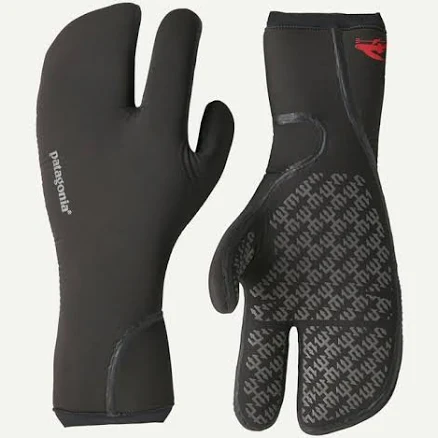
R4 Yulex Regulator Three Finger Mitts
- Yulex (synthetic rubber), neoprene-free alternative
- The brand calls it PFAS-free, which we have not verified
- Allergic contact dermatitis (rubber/guayule sensitivity)
2 hazards checked on this product. See all of them.
Patagonia
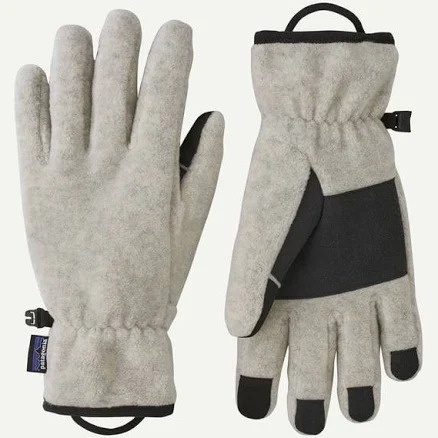
Synchilla Gloves
- Polyester fleece (Synchilla®); no water-repellent treatment disclosed
- The brand calls it PFAS-free, which we have not verified
- Microplastics
2 hazards checked on this product. See all of them.
More waterproof winter gloves grades
How we score, every product runs through the same public 0-100 rubric based on materials, coatings, brand disclosure, lab findings, and recalls. See the full methodology → Spotted a mistake? Report an error.