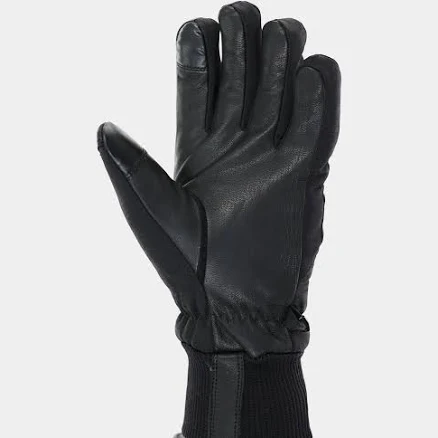
Icebreaker · Waterproof Winter Gloves
Ice Breaker Glove
Pass until the brand reveals water-repellent coating chemistry or guarantees PFAS-free treatment.
This Icebreaker glove uses merino wool as a naturally lower-concern fiber, but the brand won't disclose the water-repellent coating finish chemistry. Many apparel water-repellent coating treatments have historically contained PFAS.
The better-graded swap
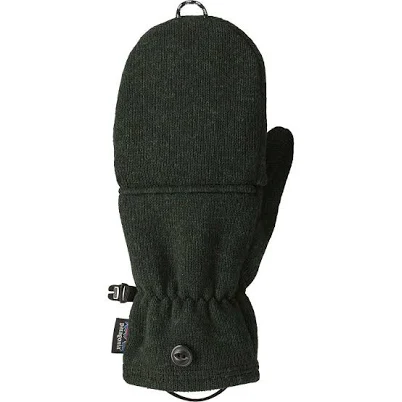
Patagonia
Better Sweater Gloves Patagonia Women's
90/100 safety
Same rubric that flunked this product. The swap earned Excellent.
Still want this one anyway? Check the price on Amazon. We’d swap it.
Material
Merino wool blend with water-repellent coating treatment
Brand disclosure
Brand is silent on PFAS
Lab data
No public lab test
What Ice Breaker Glove is made of, ingredients and materials
Icebreaker Ice Breaker Gloves are primarily merino wool blended with synthetic fibers, treated with a water-repellent coating (water-repellent coating) finish. Merino wool itself is a natural protein fiber with no established chemical hazard profile in finished garments. The water-repellent coating is the chemical wildcard, it repels moisture but its exact formulation (fluorocarbon vs. fluorine-free) is not publicly disclosed by the brand, which is where PFAS contamination risk resides. The synthetic blend component (likely nylon or polyester) adds minimal hazard if undyed or conventionally dyed, but this is also unspecified.
What’s concerning
Category baseline
The starting point for this type of product, before anything specific to this product is counted.
No PFAS disclosure
No public statement from the brand about PFAS in this product.
Waterproof / stain-resistant treatment
Water-repellent coating treatments have historically used PFAS.
PFAS
Icebreaker does not disclose whether the water-repellent finish uses legacy PFOA/PFOS or fluorocarbon alternatives. Industry data shows many merino gloves still use PFAS-based water-repellent coating; skin contact with gloves is low-risk, but washing may leach residues into water. This is the primary reason for the 'care' verdict.
Source, ATSDR ↗Synthetic fiber shedding and microfiber release
Blended gloves with nylon or polyester components may shed microfibers during washing or wear. Merino wool naturally sheds less than synthetic-only gloves, but the blend ratio is not disclosed. This is an environmental concern rather than a direct health hazard to the wearer.
What’s reassuring
Synthetic fiber dyes and colorants (if polyester/nylon blend)
No specific azo dye or heavy metal contamination has been reported for Icebreaker gloves. Merino wool can be dyed with conventional methods, and if the synthetic component is nylon or polyester, conventional acid or disperse dyes present lower concern in a finished glove. Brand does not disclose dye chemistry, so this remains an unverified assumption of standard practice.
Formaldehyde / VOCs
Merino wool gloves may contain trace formaldehyde from wrinkle-resist or anti-shrink finishes applied during manufacturing. No recalls or test results for Icebreaker gloves indicate formaldehyde above levels of concern. Exposure during wear is negligible; risk is primarily occupational for factory workers, not consumers.
Source, ATSDR ↗Allergen risk from lanolin or wool proteins
Merino wool is hypoallergenic and does not typically trigger reactions in wool-sensitive individuals (unlike coarser wool). No documented allergic reactions to Icebreaker gloves are on record. Individuals with severe wool allergy should still patch-test, but this product is among the lowest-risk in its category.
The full breakdown
The brand's record and disclosure
Icebreaker (owned by Anita Burness Ltd.) does not prominently disclose water-repellent coating chemistry, restricted substance lists, or certifications such as bluesign or OEKO-TEX on product pages. The brand has not published a public commitment to PFAS-free treatments or transparent material sourcing. No major safety recalls or documented chemical contamination incidents have been reported for this specific glove model. Without third-party testing or brand statement, the water-repellent coating formulation remains a black box.
How it compares in its category
Winter gloves typically use water-repellent coating coatings; fluorocarbon-based (PFAS) treatments are still industry standard for performance, though fluorine-free alternatives exist. Merino wool gloves may have lower concern than synthetic-only alternatives because the base material is not a material linked to PFAS; synthetic-only gloves may off-gas more volatile organics. Icebreaker's positioning as a premium, performance-oriented brand suggests higher-quality dyeing and finishing, but transparency is not higher than mid-market competitors. Brands like Smartwool and REI Co-op have begun disclosing water-repellent coating approaches; Icebreaker has not matched this trend.
If you buy it
Wash in cool or warm water with mild detergent and air dry completely; high heat (dryer, heater) is not recommended for merino blends and may degrade water-repellent coating prematurely. Do not dry-clean unless the label explicitly permits it, as solvents can strip the water-repellent coating finish and potentially mobilize any trapped PFAS residues. Replace gloves if the water-repellent coating visibly fails (water no longer beads) or material becomes worn; the coating does not restore after washing. Store in a cool, dry place to extend durability and avoid mold risk on wool.
What we don’t know
- Basis
- Model estimate, 45% confidence, not a lab result
- Lab test
- None on record for this exact product
- Brand statement
- Icebreaker has made none
Formulations change between production runs, so check the current label. How we grade.
Better-graded alternatives in Waterproof Winter Gloves
Patagonia
Better Sweater Gloves Patagonia Women's
- Polyester fleece (recycled)
- The brand calls it PFAS-free, which we have not verified
- Heavy metals
2 hazards checked on this product. See all of them.
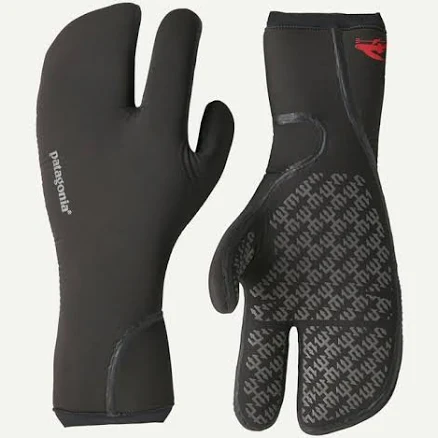
Patagonia
R4 Yulex Regulator Three Finger Mitts
- Yulex (synthetic rubber), neoprene-free alternative
- The brand calls it PFAS-free, which we have not verified
- Allergic contact dermatitis (rubber/guayule sensitivity)
2 hazards checked on this product. See all of them.
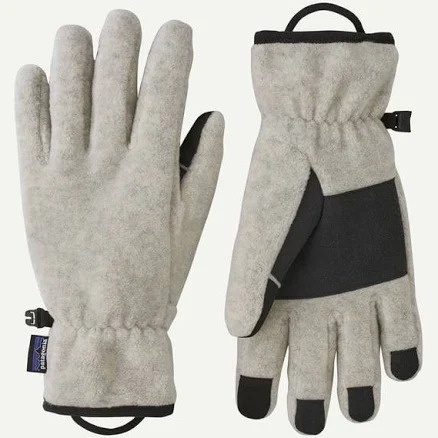
Patagonia
Synchilla Gloves
- Polyester fleece (Synchilla®); no water-repellent treatment disclosed
- The brand calls it PFAS-free, which we have not verified
- Microplastics
2 hazards checked on this product. See all of them.
More waterproof winter gloves grades
How we score, every product runs through the same public 0-100 rubric based on materials, coatings, brand disclosure, lab findings, and recalls. See the full methodology → Spotted a mistake? Report an error.