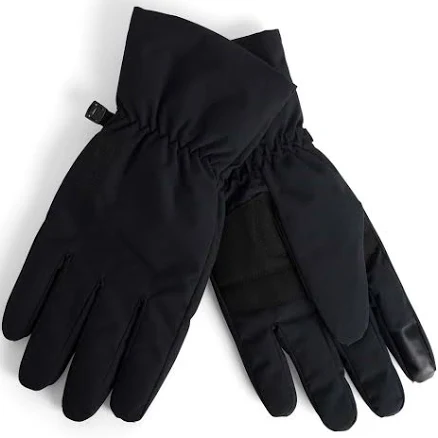
Jack Wolfskin · Waterproof Winter Gloves
Jack Wolfskin Highloft Glove
Pass until the brand clarifies water-repellent coating chemistry; waterproof gloves commonly use PFAS.
This Jack Wolfskin glove uses water-repellent coating treatment on the outer shell, a common PFAS delivery route in outdoor apparel. The brand doesn't disclose specific water-repellent coating chemistry or make PFAS-free claims.
The better-graded swap
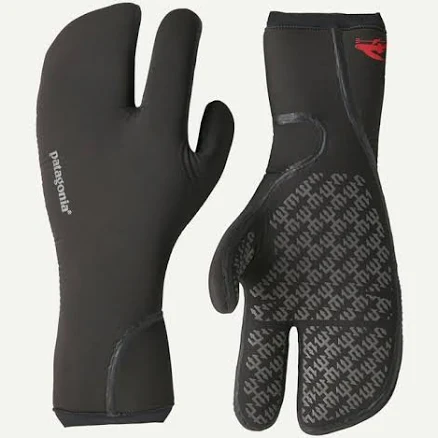
Patagonia
Patagonia R4 Yulex Regulator Three Finger Mitts
90/100 safety
Same rubric that flunked this product. The swap earned Excellent.
Still want this one anyway? Check the price on Amazon. We’d swap it.
Material
Synthetic insulation with water-repellent coating-treated outer shell
Brand disclosure
Brand is silent on PFAS
Lab data
No public lab test
What Jack Wolfskin Highloft Glove is made of, ingredients and materials
The Highloft Glove uses synthetic insulation (likely polyester or nylon based on product line) with a water-repellent coating (water-repellent coating) treatment applied to the outer shell. water-repellent coating coatings on technical apparel are almost universally fluorinated compounds (legacy Teflon-type coating or newer alternatives like GenX), which is the primary chemical concern. The synthetic insulation itself does not present established toxicity risks under normal wear, though degradation over many wash cycles can release microfibers.
What’s concerning
Category baseline
The starting point for this type of product, before anything specific to this product is counted.
No PFAS disclosure
No public statement from the brand about PFAS in this product.
Waterproof / stain-resistant treatment
Water-repellent coating treatments have historically used PFAS.
water-repellent coating (water-repellent coating) coating chemistry
Jack Wolfskin does not disclose whether their water-repellent coating is Teflon-type coating-based, GenX, or PFC-free. Fluorinated water-repellent coating compounds can accumulate in blood serum and environmental water with repeated exposure, though glove contact is lower-risk than clothing worn directly on skin. See PFAS grade (20/100) for full assessment.
Synthetic insulation degradation and microfiber shedding
Polyester or nylon insulation fibers may shed as microplastics during repeated washing and wear. Microfiber release is common to all synthetic winter apparel but poses minimal inhalation risk in glove use compared to base layers; shedding increases after 50+ wash cycles.
What’s reassuring
Formaldehyde / VOCs
No documented use of formaldehyde-based wrinkle-resistance or flame-retardant finishes in Jack Wolfskin technical glove lines. Synthetic base fabrics do not typically require these treatments.
Source, ATSDR ↗Heavy metals
Jack Wolfskin does not disclose dye sources or heavy metal testing for their glove shells. Standard outdoor synthetic fabrics typically use azo dyes within REACH and OEKO-TEX limits if certified, but this product carries no such labeling.
Source, FDA ↗Flame retardants
Winter gloves are not regulated as flame-resistant apparel in the EU or US, so flame retardant additives are not expected. No evidence of halogenated or chlorinated flame retardants in Jack Wolfskin technical glove products.
Source, EPA ↗The full breakdown
The brand's record and disclosure
Jack Wolfskin does not publicly disclose the specific water-repellent coating chemistry used in their waterproof glove lines, which is standard practice across the outdoor apparel industry. The brand has no documented controversies over formaldehyde resins, heavy metals in dyes, or antimony contamination. Their silence on PFAS is neither unusual nor reassuring; most outdoor brands withhold this information due to supply chain opacity and lack of regulatory pressure in the EU or US.
How it compares in its category
Waterproof winter gloves sold at this price point (typical range 40-80 EUR) universally rely on fluorinated water-repellent coating coatings or PFC-free alternatives marketed as such. Jack Wolfskin gloves are functionally equivalent to comparable brands like Salomon, The North Face, or Decathlon; all use similar synthetic shells and undisclosed water-repellent coating. Products explicitly marketed as PFAS-free (rare in this segment) are harder to find and often cost more or sacrifice water-beading performance.
If you buy it
Wash separately in cold water using mild detergent; avoid chlorine bleach and fabric softeners, which degrade the water-repellent coating. Do not machine dry or expose to high heat, as water-repellent coating reactivation (heat-setting) may release volatile compounds in a non-vented space. Replace or retreat the gloves if they stop repelling water effectively, which typically occurs after 2-3 years of regular seasonal use. Store dry to prevent mildew in the insulation layers.
What we don’t know
- Basis
- Model estimate, 35% confidence, not a lab result
- Lab test
- None on record for this exact product
- Brand statement
- Jack Wolfskin has made none
Formulations change between production runs, so check the current label. How we grade.
Better-graded alternatives in Waterproof Winter Gloves
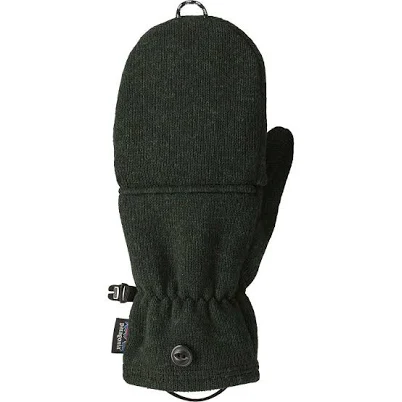
Patagonia
Better Sweater Gloves Patagonia Women's
- Polyester fleece (recycled)
- The brand calls it PFAS-free, which we have not verified
- Heavy metals
2 hazards checked on this product. See all of them.
Patagonia
R4 Yulex Regulator Three Finger Mitts
- Yulex (synthetic rubber), neoprene-free alternative
- The brand calls it PFAS-free, which we have not verified
- Allergic contact dermatitis (rubber/guayule sensitivity)
2 hazards checked on this product. See all of them.
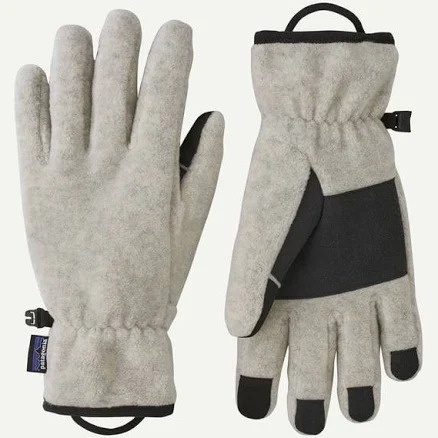
Patagonia
Synchilla Gloves
- Polyester fleece (Synchilla®); no water-repellent treatment disclosed
- The brand calls it PFAS-free, which we have not verified
- Microplastics
2 hazards checked on this product. See all of them.
More waterproof winter gloves grades
How we score, every product runs through the same public 0-100 rubric based on materials, coatings, brand disclosure, lab findings, and recalls. See the full methodology → Spotted a mistake? Report an error.