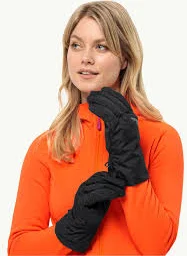
Jack Wolfskin · Waterproof Winter Gloves
Jack Wolfskin Men's Winter Basic Gloves
Moderate uncertainty; winter gloves typically use water-repellent coating treatments that may contain PFAS.
Jack Wolfskin's winter gloves almost certainly include a water-repellent coating to shed moisture, a category where PFAS have been historically common. The brand doesn't disclose treatment chemistry or PFAS-free claims.
The better-graded swap
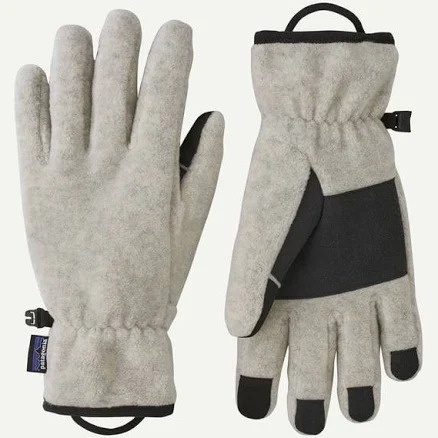
Patagonia
Patagonia Synchilla Gloves
90/100 safety
Same rubric that flunked this product. The swap earned Excellent.
Still want this one anyway? Check the price on Amazon. We’d swap it.
Material
Synthetic insulation (likely polyester), nylon shell with water-repellent coating water-repellent finish
Brand disclosure
Brand is silent on PFAS
Lab data
No public lab test
What Jack Wolfskin Men's Winter Basic Gloves is made of, ingredients and materials
Jack Wolfskin's winter gloves use a nylon outer shell with synthetic polyester insulation, a standard lightweight combination for cold-weather gear. The water-repellent (water-repellent coating) finish applied to the nylon is the key chemical component; water-repellent coating treatments on outdoor textiles commonly contain PFAS "forever chemicals" (PFAS) to achieve durable water resistance. The nylon substrate itself is chemically inert under normal use, but the finish degrades with washing and wear, potentially releasing or fragmenting treated fibers.
What’s concerning
Category baseline
The starting point for this type of product, before anything specific to this product is counted.
No PFAS disclosure
No public statement from the brand about PFAS in this product.
Waterproof / stain-resistant treatment
Water-repellent coating treatments have historically used PFAS.
PFAS
Winter gloves require durable water repellency, nearly always achieved with fluorinated compounds on this budget tier. Jack Wolfskin provides no transparency on PFAS-free alternatives or fluorine content.
Source, ATSDR ↗Formaldehyde / VOCs
Nylon textiles may undergo formaldehyde-based resin treatments during manufacturing for dye-setting or shrink control; not specific to Jack Wolfskin but standard in industry. No finished-product testing results are publicly available.
Source, ATSDR ↗Azo dyes in synthetic fibers
Polyester insulation and nylon shell may be dyed with azo colorants, which can release aromatic amines under high heat or abrasion. Glove use does not typically expose the dyes to high heat, but skin contact over prolonged wear is a mild concern for sensitive individuals.
Microfiber shedding from degraded water-repellent coating
As the water-repellent finish wears, nylon fibers may fragment and shed into sweat or hand moisture, creating microfiber particles that can be absorbed through skin or inhaled if fibers become airborne during drying.
What’s reassuring
Antimony in polyester
Polyester insulation may contain antimony as a catalyst residue, though modern production typically removes it to very low levels. No recalls or contamination reports exist for Jack Wolfskin gloves.
The full breakdown
The brand's record and disclosure
Jack Wolfskin (owned by Pinewood Group) does not publicly disclose water-repellent coating chemistry or PFAS use in product specs or sustainability statements available to consumers. The brand has not voluntarily committed to PFAS phase-out timelines comparable to leading outdoor brands, nor does it provide third-party testing data on treated textiles. No major product recalls or chemical contamination incidents are on public record for this brand's glove lines.
How it compares in its category
Most waterproof winter gloves in the mid-range market use fluorinated water-repellent coating finishes similar to Jack Wolfskin's approach. Brands like Patagonia and Arc'teryx have begun transitioning to PFOA-free or fluorine-free water-repellent coating systems on select products, though winter glove lines often still use conventional fluorinated coatings. Jack Wolfskin sits in the mainstream segment without visible differentiation on chemical safety.
If you buy it
Rinse gloves in cool water after heavy salt or snow exposure to reduce residual water-repellent coating particles and contaminants on skin contact. Avoid frequent machine washing; hand wash in cool water when necessary and air-dry completely to extend water-repellent coating durability and slow coating breakdown. Replace gloves once the water-beading visibly declines (typically 2-3 seasons) rather than reapplying consumer water-repellent coating sprays, which add another chemical layer. Store in a breathable, dry place to prevent mold and material degradation.
What we don’t know
- Basis
- Model estimate, 45% confidence, not a lab result
- Lab test
- None on record for this exact product
- Brand statement
- Jack Wolfskin has made none
Formulations change between production runs, so check the current label. How we grade.
Better-graded alternatives in Waterproof Winter Gloves
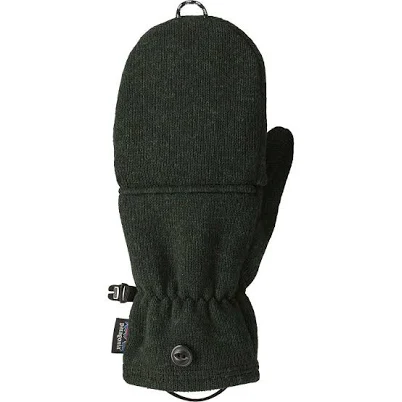
Patagonia
Better Sweater Gloves Patagonia Women's
- Polyester fleece (recycled)
- The brand calls it PFAS-free, which we have not verified
- Heavy metals
2 hazards checked on this product. See all of them.
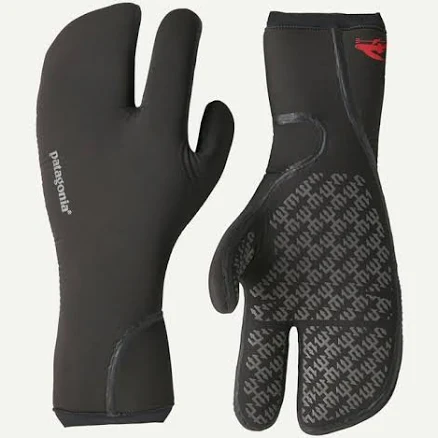
Patagonia
R4 Yulex Regulator Three Finger Mitts
- Yulex (synthetic rubber), neoprene-free alternative
- The brand calls it PFAS-free, which we have not verified
- Allergic contact dermatitis (rubber/guayule sensitivity)
2 hazards checked on this product. See all of them.
Patagonia
Synchilla Gloves
- Polyester fleece (Synchilla®); no water-repellent treatment disclosed
- The brand calls it PFAS-free, which we have not verified
- Microplastics
2 hazards checked on this product. See all of them.
More waterproof winter gloves grades
How we score, every product runs through the same public 0-100 rubric based on materials, coatings, brand disclosure, lab findings, and recalls. See the full methodology → Spotted a mistake? Report an error.