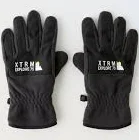
Jack Wolfskin · Waterproof Winter Gloves
Jack Wolfskin Stormlock Handschuhe Herren Glove Jack Wolfskin Winter Herren Fleece Gloves Jack Wolfskin
Pass until Jack Wolfskin discloses water-repellent coating treatment chemistry or commits to PFAS-free.
These Stormlock gloves are designed for winter weather resistance with likely water-repellent coating finishing. Jack Wolfskin makes no PFAS avoidance disclosure, and winter outdoor gloves frequently employ PFAS-based water-repellent coating.
The better-graded swap
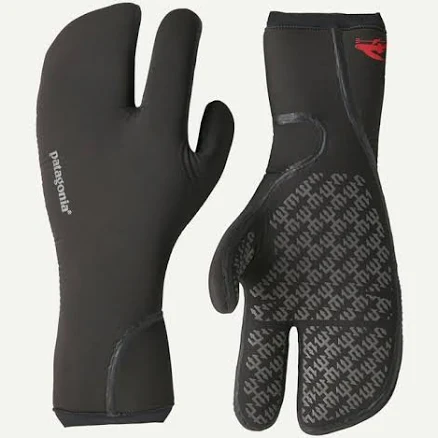
Patagonia
Patagonia R4 Yulex Regulator Three Finger Mitts
90/100 safety
Same rubric that flunked this product. The swap earned Excellent.
Still want this one anyway? Check the price on Amazon. We’d swap it.
Material
Fleece/synthetic fiber with water-repellent treatment
Brand disclosure
Brand is silent on PFAS
Lab data
No public lab test
What Jack Wolfskin Stormlock Handschuhe Herren is made of, ingredients and materials
These gloves combine fleece (polyester or polyester-blend) lining with a synthetic outer shell treated for water repellency. The water-repellent coating is the critical unknown, Jack Wolfskin does not publicly specify whether their water-repellent coating (water-repellent coating) treatment uses PFOA, PFOS, or other fluorinated compounds, or newer alternatives like wax-based or fluorine-free systems. Fleece itself is inert; the coating chemistry determines the hazard profile. Without transparency, assume legacy PFAS chemistry.
What’s concerning
Category baseline
The starting point for this type of product, before anything specific to this product is counted.
No PFAS disclosure
No public statement from the brand about PFAS in this product.
Waterproof / stain-resistant treatment
Water-repellent coating treatments have historically used PFAS.
PFAS
Jack Wolfskin has not disclosed water-repellent coating chemistry. Industry standard for this product class historically used PFOA/PFOS or related long-chain fluorotelomers; absence of disclosure suggests continued use of conventional fluorinated systems. Risk is environmental and bioaccumulative, not acute topical exposure.
Source, ATSDR ↗Formaldehyde / VOCs
Polyester blends may contain formaldehyde-based wrinkle-resist or dimensional-stability treatments. No specific recall or complaint history for Jack Wolfskin gloves exists, but fleece with unknown dye and finish chemistry warrants precaution. Wash before wear to reduce off-gassing risk.
Source, ATSDR ↗Synthetic coating microfiber shedding
Degraded water-repellent coatings on fleece can shed microfibers during washing or wear. This is common in older gloves; proper care (cool water, line drying) delays shedding but does not eliminate it over product lifetime.
What’s reassuring
Azo dye residue
No reported incidents of banned azo dyes in Jack Wolfskin apparel. Reputable outdoor brands typically comply with EU and international restrictions, but without fabric COA (certificate of analysis) verification is limited to brand reputation.
Antimony in polyester fiber
Antimony trioxide is a standard polyester catalyst. Modern textiles from major brands like Jack Wolfskin comply with Restricted Substances List limits. No accumulation hazard from glove wear; risk is near-zero under normal use conditions.
The full breakdown
The brand's record and disclosure
Jack Wolfskin is a major German outdoor gear manufacturer owned by× Pinewood and part of the Callahan Sports Group portfolio. The brand has not published a PFAS elimination commitment or publicly disclosed water-repellent coating chemistry for any product line as of available records. They do not advertise PFAS-free certifications (like Bluesign or GOTS). This silence on a well-known industry hazard class is notable given competitors increasingly market fluorine-free alternatives.
How it compares in its category
Winter glove water-repellent coating treatments vary widely. Major brands like Arc'teryx, The North Face, and Patagonia have moved toward fluorine-free or disclosed PFAS-free systems; Jack Wolfskin's refusal to disclose puts it in the less transparent tier. Budget alternatives from Decathlon and specialty brands like Outdoor Research often advertise PFAS-free wax coatings. If PFAS exposure is a concern, this product lacks the reassurance competitors offer.
If you buy it
Wash gloves in cool water with mild detergent before first use to reduce any loose coating residue. Avoid hot water, machine drying, and heat sources (radiators, campfire), which accelerate coating breakdown and potential leaching. Reapply water repellency annually using PFAS-free spray treatments (check labels) rather than returning to the manufacturer. Replace when the outer fabric frays or loses water beading; degraded coatings may shed microfibers and expose underlying fibers.
What we don’t know
- Basis
- Model estimate, 45% confidence, not a lab result
- Lab test
- None on record for this exact product
- Brand statement
- Jack Wolfskin has made none
Formulations change between production runs, so check the current label. How we grade.
Better-graded alternatives in Waterproof Winter Gloves
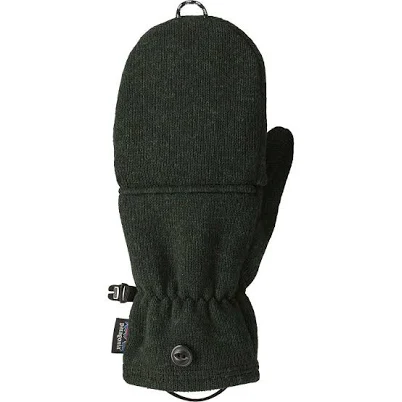
Patagonia
Better Sweater Gloves Patagonia Women's
- Polyester fleece (recycled)
- The brand calls it PFAS-free, which we have not verified
- Heavy metals
2 hazards checked on this product. See all of them.
Patagonia
R4 Yulex Regulator Three Finger Mitts
- Yulex (synthetic rubber), neoprene-free alternative
- The brand calls it PFAS-free, which we have not verified
- Allergic contact dermatitis (rubber/guayule sensitivity)
2 hazards checked on this product. See all of them.
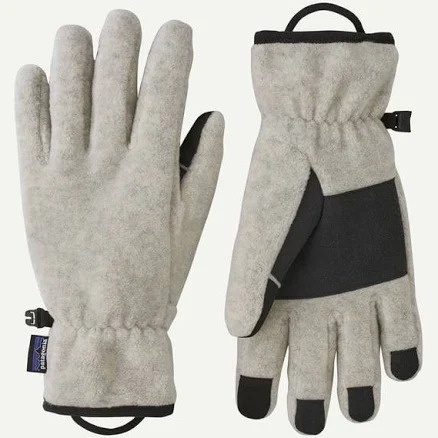
Patagonia
Synchilla Gloves
- Polyester fleece (Synchilla®); no water-repellent treatment disclosed
- The brand calls it PFAS-free, which we have not verified
- Microplastics
2 hazards checked on this product. See all of them.
More waterproof winter gloves grades
How we score, every product runs through the same public 0-100 rubric based on materials, coatings, brand disclosure, lab findings, and recalls. See the full methodology → Spotted a mistake? Report an error.