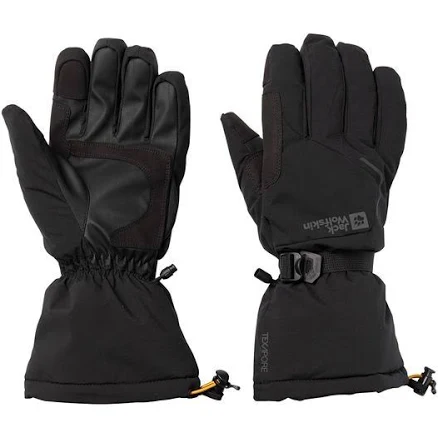
Jack Wolfskin · Waterproof Winter Gloves
Jack Wolfskin Texapore Waterproof Gloves
Pass until Jack Wolfskin discloses Texapore's PFAS content; waterproof coatings commonly contain forever chemicals.
Jack Wolfskin's Texapore is a proprietary waterproof membrane used in outdoor gloves. The brand makes no PFAS disclosure, and no independent lab testing is publicly available for this product.
The better-graded swap
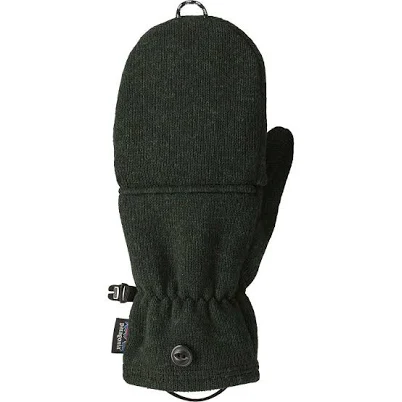
Patagonia
Better Sweater Gloves Patagonia Women's
90/100 safety
Same rubric that flunked this product. The swap earned Excellent.
Still want this one anyway? Check the price on Amazon. We’d swap it.
Material
Texapore membrane (polyurethane-based waterproof coating)
Brand disclosure
Brand is silent on PFAS
Lab data
No public lab test
What Jack Wolfskin Texapore Waterproof Gloves is made of, ingredients and materials
Texapore is Jack Wolfskin's proprietary polyurethane-based waterproof membrane bonded to fabric layers. Polyurethane coatings are effective water barriers but typically require fluorinated compounds (PFAS) or alternative chemical stabilizers to maintain durability and breathability across temperature cycles. The glove construction likely includes an outer textile shell (synthetic or blend), the Texapore membrane layer, and an inner lining, creating a composite that is difficult to assess without material disclosure.
What’s concerning
Category baseline
The starting point for this type of product, before anything specific to this product is counted.
No PFAS disclosure
No public statement from the brand about PFAS in this product.
Waterproof / stain-resistant treatment
Water-repellent coating treatments have historically used PFAS.
PFAS
Polyurethane membranes commonly contain fluorinated compounds for water repellency and durability; Jack Wolfskin's silence on Texapore composition and lack of PFAS-free certification suggests presence is probable, though unconfirmed.
Source, ATSDR ↗Formaldehyde / VOCs
Synthetic outer fabrics and adhesives bonding layers may contain formaldehyde-based resins for wrinkle resistance or water-repellency; bluesign certification reduces but does not eliminate this risk.
Source, ATSDR ↗Heavy metals
Dyed synthetic fabrics can contain banned azo dyes or trace heavy metals depending on dye lot; Jack Wolfskin does not publish dye chemical inventories, though bluesign suppliers are restricted from most problematic azo compounds.
Source, FDA ↗Microplastic shedding from synthetic membranes
Polyurethane membranes can degrade mechanically with wear and washing, releasing microparticles; care protocols minimize this, but shedding is intrinsic to the material class and accumulates over product lifespan.
Polyurethane off-gassing (VOCs)
New polyurethane-coated textiles may emit volatile organic compounds during initial storage and use, particularly in warm conditions; airing out new gloves before extended skin contact is advisable.
The full breakdown
The brand's record and disclosure
Jack Wolfskin has not publicly disclosed PFAS content in Texapore or committed to PFAS phase-out timelines, placing it behind major competitors (Patagonia, Arc'teryx) on transparency. The brand holds bluesign certification for some product lines, indicating chemical management oversight in production, but this does not guarantee PFAS-free status in waterproof membranes. No major recalls or established controversies specific to Texapore gloves have been documented in public health databases.
How it compares in its category
Texapore-lined gloves occupy the mid-premium category; comparable alternatives include Gore-Tex (which also does not voluntarily disclose PFAS) and newer PFAS-free membranes like eVent or proprietary systems by smaller brands. Jack Wolfskin's price point is competitive, but the lack of PFAS transparency is a notable disadvantage in a category where several competitors now offer documented lower concern regarding PFAS. Performance durability of Texapore is well-regarded, though longevity claims hinge on proper care.
If you buy it
Wash inside-out in cool water with mild detergent to preserve the membrane and avoid mechanical damage that could accelerate microfiber shedding. Do not expose to direct heat, tumble dryers, or prolonged UV exposure, which degrade polyurethane coatings. Store dry and flat or rolled. Replace when water no longer beads on the surface or if seams separate, typically after 2-3 seasons of regular winter use. Hand-drying is preferred over machine drying.
What we don’t know
- Basis
- Model estimate, 45% confidence, not a lab result
- Lab test
- None on record for this exact product
- Brand statement
- Jack Wolfskin has made none
Formulations change between production runs, so check the current label. How we grade.
Better-graded alternatives in Waterproof Winter Gloves
Patagonia
Better Sweater Gloves Patagonia Women's
- Polyester fleece (recycled)
- The brand calls it PFAS-free, which we have not verified
- Heavy metals
2 hazards checked on this product. See all of them.
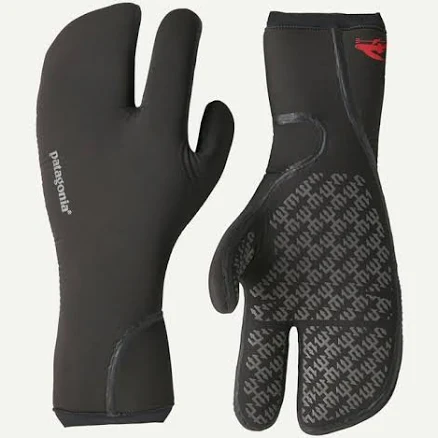
Patagonia
R4 Yulex Regulator Three Finger Mitts
- Yulex (synthetic rubber), neoprene-free alternative
- The brand calls it PFAS-free, which we have not verified
- Allergic contact dermatitis (rubber/guayule sensitivity)
2 hazards checked on this product. See all of them.
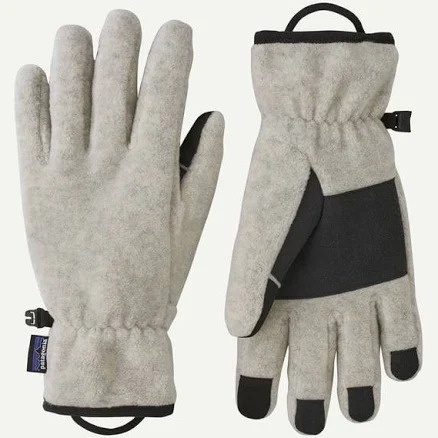
Patagonia
Synchilla Gloves
- Polyester fleece (Synchilla®); no water-repellent treatment disclosed
- The brand calls it PFAS-free, which we have not verified
- Microplastics
2 hazards checked on this product. See all of them.
More waterproof winter gloves grades
How we score, every product runs through the same public 0-100 rubric based on materials, coatings, brand disclosure, lab findings, and recalls. See the full methodology → Spotted a mistake? Report an error.